
Can Your Wedding DJ Use the Venue’s Sound System in Columbus?
By Christopher “DJ iShine” Summers · iShine Music Production
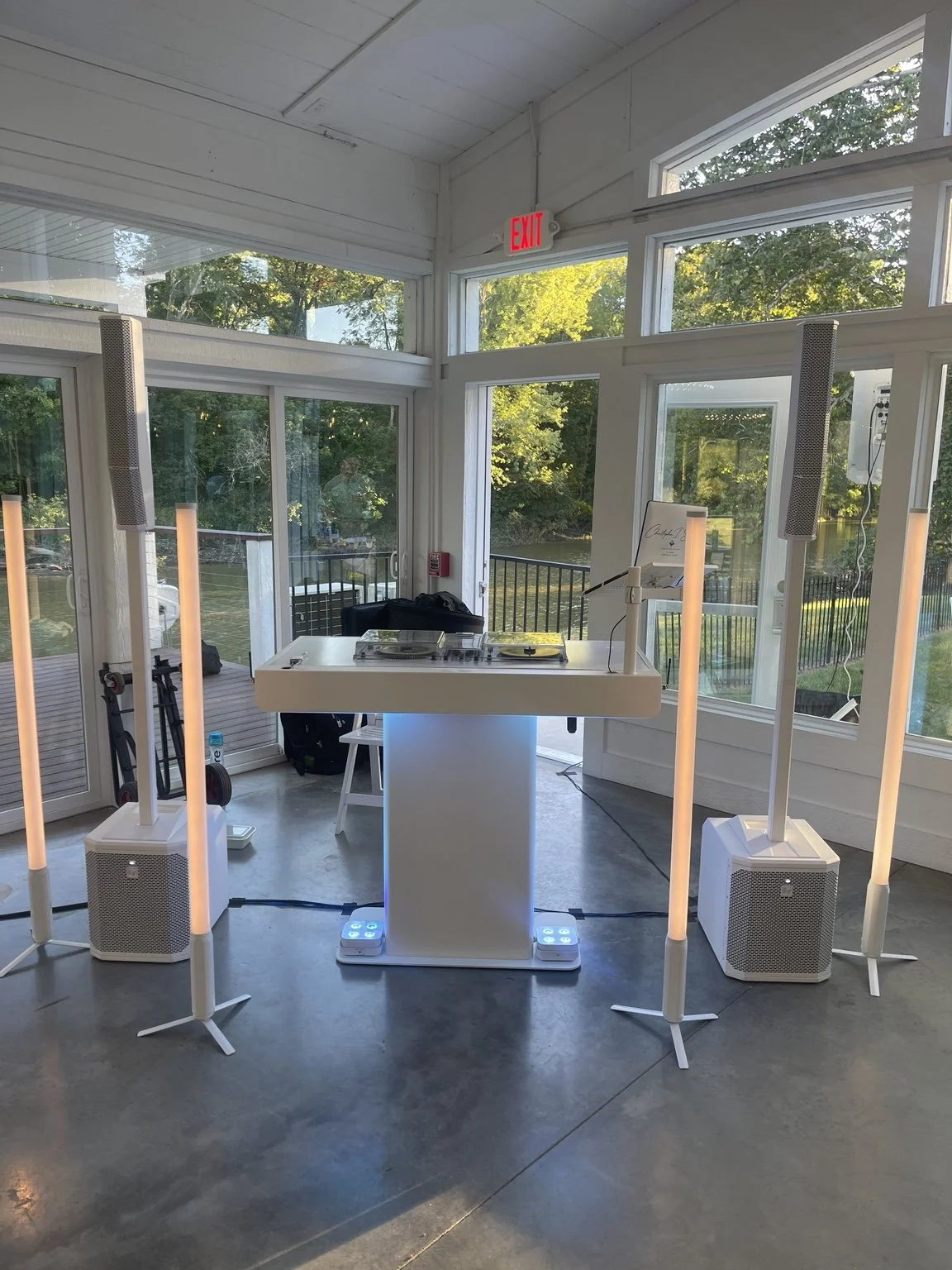
Your Columbus wedding venue has speakers in the ceiling or on a wall. Can your DJ use that system? Possibly. The venue needs to approve access, the DJ needs to confirm how their music and microphones will connect, and both should agree who operates it. The next question is whether it will sound appropriate for each part of your wedding.
A venue system that works during a tour may be fine for a welcome announcement or background music. Dance music, vows in another space, and toasts from several locations can call for different coverage. Review the system as part of your event plan before changing what your DJ is expected to bring.
Find out what the venue is offering
Ask the venue to describe the installed system and who is permitted to use it. Confirm which rooms are covered and whether use is optional or required. A venue might provide a microphone and music playback in one room while a separate technician handles a larger event space. Ask which arrangement applies to your event and whether the venue can send an equipment or access summary to the DJ.
Find out what is included in the rental. Ask who will open the control area, what hours technical support is available, and whether any operator fees apply. There may also be a difference between the system offered for a weekday meeting and the setup approved for a wedding. Get details for the room, date, and purpose you have booked.
Describe the work the sound system needs to do
List the locations and moments where guests need to hear something. Include seating music, a ceremony microphone, dinner background, speeches, introductions, and dancing. If you want a recorded toast or a live instrument, include it as another source. Give the DJ and venue the same list so they can check whether the plan covers everything.
A ceremony on a patio and dinner in a room upstairs may require a separate setup even when the building has speakers. Ask whether the spaces can be controlled separately and who moves between them. The guide to sound for ceremony, cocktails, and reception can help define each location’s requirements before quotes change.
Let the DJ and venue technician talk directly
The DJ can share which sources they need to connect and how they expect to control music and microphones. The venue technician can explain the approved connection and who sets the room level. Both should agree on who brings the needed cabling, microphones, and other equipment. If the property controls the system, make sure the DJ has a reliable way to request a change during the event.
A connection that fits physically does not answer whether it is suitable for the equipment or the planned signal. Leave those decisions to the people responsible for the system. A planner can arrange contact and provide time to test. For a wedding film feed, include the videographer so they can confirm how and where they will obtain audio. Wedding DJ and videographer audio coordination.
Check which controls the DJ can operate
Who can adjust the microphones? Who can change the level during dinner and dancing? Who can stop playback if the planner needs an urgent announcement? Some systems give the performer direct control over part of the setup, while others require the venue operator to make adjustments. Establish those responsibilities before guests arrive.
If the property limits the settings or has a sound cutoff, ask how the team handles those limits during the reception. Put the correct contact in the timeline. A venue technician may be present for setup but leave before dancing, which changes what the team can do later. Plan around wedding venue sound rules and music cutoffs.
Test from the places where guests will listen
Schedule a soundcheck before guests enter. Have the team test the actual devices you will use, including the speech microphone and a piece of dance music. Listen at the far end of the room, near seated guests, and on the floor. Check whether the speakers cover the important areas without forcing guests close to them to tolerate an uncomfortable level.
The audio professionals can evaluate how music and speech feel in the room. The planner can help simulate key moments by having someone stand where the toast speakers will stand. If a speaker moves, the stage changes, or the seating layout shifts after the test, tell the technical team so it can review the relevant positions again. Plan comfortable reception sound for Columbus weddings.
Consider a mixed plan for separate needs
A venue system may suit speeches and background music while the DJ uses an approved setup for dancing. Another event may use house audio for the reception and a portable system for the ceremony. Ask if a combined plan is permitted and get clear about how the systems will be used. If both will operate in one room, let the venue and DJ coordinate controls and timing before the event.
Discuss what happens if the house system is unavailable on the wedding day. Depending on the venue’s terms and the scope you booked, the DJ may be able to propose independent coverage or another option in advance. Confirm which equipment is actually reserved for that plan. A possible alternative does not help if it requires materials or access nobody arranged.
Review the effect on the quote and schedule
Using house speakers can change the amount of equipment a DJ needs to bring. It may also add consultation, setup, technical staffing, or rehearsal requirements. Ask for a revised scope to understand the whole service and which costs remain. The price should match the coverage and personnel in the agreement.
A house system can change setup without replacing the performer’s work. Your DJ still prepares and operates the event music and may handle hosting, cues, or sound coordination based on the proposal. Give the venue and DJ time to settle their responsibilities before your final timeline and load-in window are locked.
A sample planning decision
Imagine a downtown Columbus reception room with an installed system for speeches and background music. The couple wants dancing and a separate ceremony in a courtyard. During a planning call, the venue confirms that an operator can provide the approved connection indoors. The DJ tests music and the toast microphone, gives feedback on coverage from the floor, and explains how the courtyard needs a separate setup.
The planner updates the timeline with the venue operator’s arrival, the DJ’s test window, and the cue for opening the room. If the venue’s system is unsuitable for dancing, the team can discuss an approved alternative before booking the relevant equipment. The couple gets a scope based on the people and spaces they actually have.
Questions to settle before your final meeting
- Which rooms and times does the venue system cover?
- Who authorizes use and operates the controls throughout the wedding?
- Which music, microphone, and video sources need to connect?
- Who supplies equipment for each location and test?
- What requirements or costs come with using the system?
- What plan will the team follow if coverage falls short?
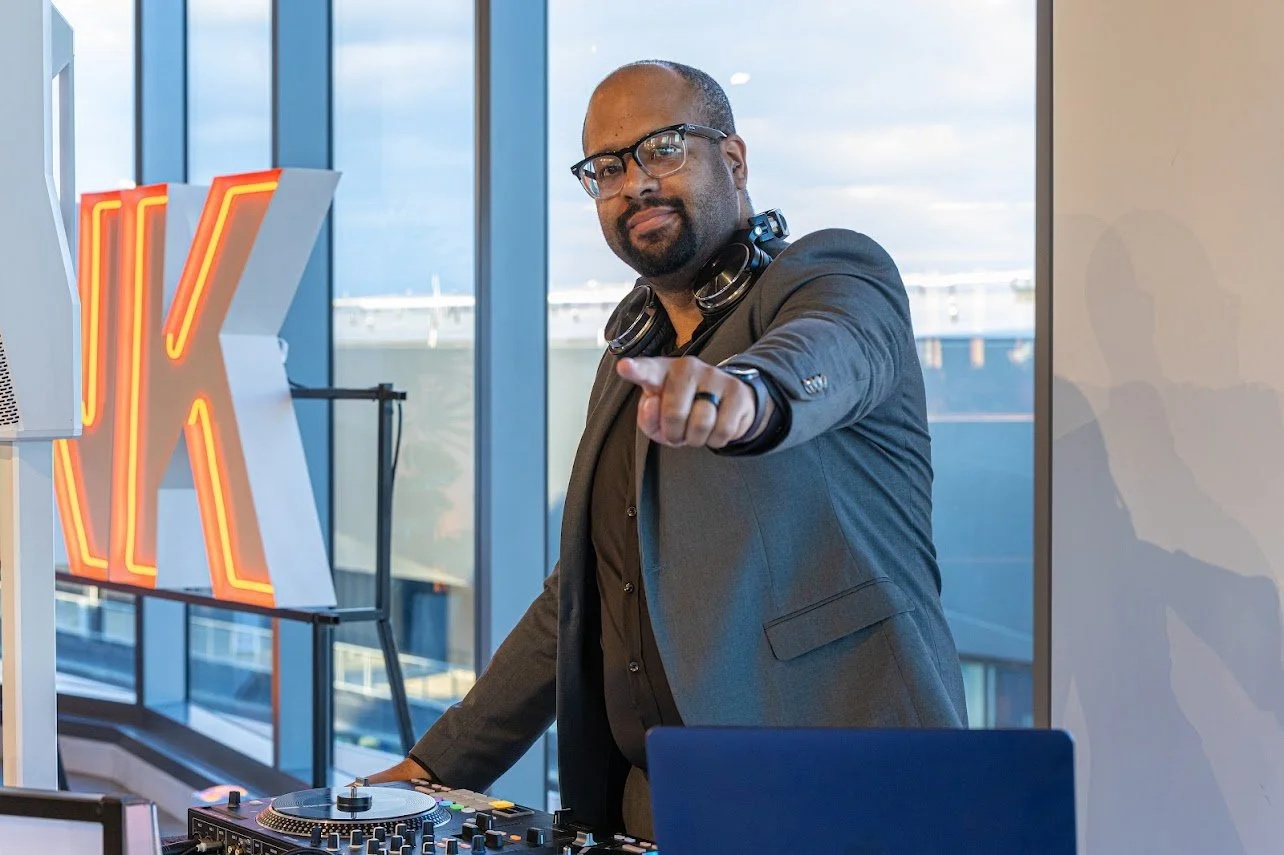
I’m Christopher “DJ iShine” Summers. I work with Columbus couples, venues, and planners to build the sound plan around the actual event. If your venue has a system you want to use, share its requirements and your timeline before requesting a proposal. Discuss your wedding sound setup.