
Should You Provide a Vendor Meal for Your Wedding DJ?
By Christopher “DJ iShine” Summers · iShine Music Production
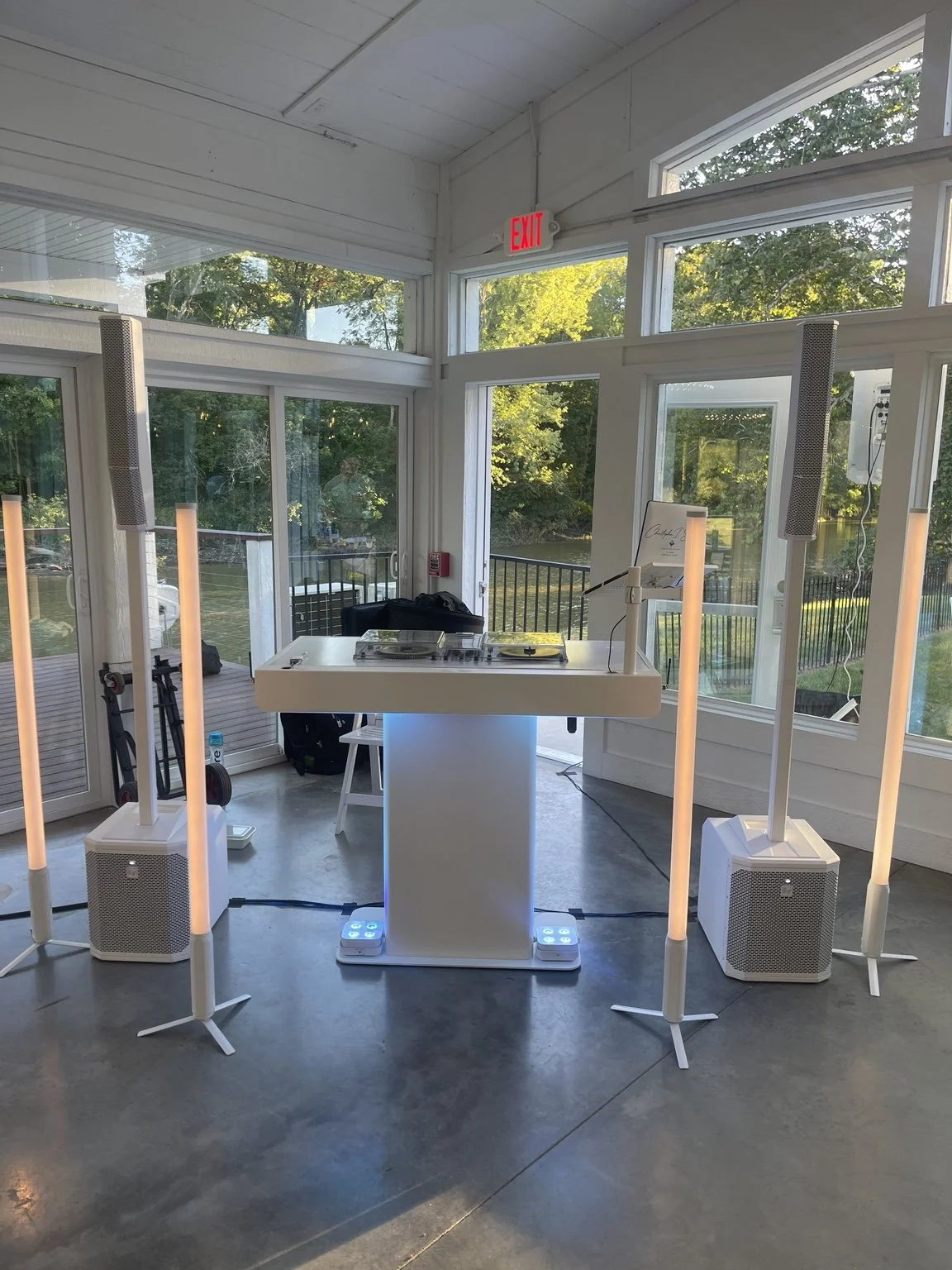
When your caterer asks for a final headcount, a wedding DJ’s vendor meal can turn into a surprisingly detailed question. Is the meal required by the agreement? Does the DJ have an assistant? Should the meal be served during guest dinner or after the speeches? Check the vendor’s agreement first, then coordinate the details with the caterer and planner.
A good meal plan works with the reception schedule. If your DJ is responsible for dinner music, table announcements, and the first toast, someone needs to know when those duties pause and how the team will reconnect. A few specific answers before final headcount are easier than trying to locate a meal and an MC as the first speaker stands up.
Confirm the request with the actual provider
Ask whether the performer needs a meal, how many people the request covers, and whether the agreement identifies a particular meal or break arrangement. A solo DJ may have one meal on their request. A DJ with production help, a lighting technician, or a separate musician may have a different count. Confirm the personnel who will be on site for the meal period.
If the company supplied the request, make sure it applies to the team assigned to your wedding. A photographer on a short schedule or a musician who leaves after cocktail hour may have a different need than someone present through dancing. Write each confirmed meal beside the person or company it belongs to. That makes it easier to explain to the caterer without guessing from the number of vendor contracts.
Ask how the caterer handles vendor meals
Share the count before the caterer’s final deadline. Ask which meal options are available for working vendors, where they are served, and how each is priced. Some wedding packages offer a vendor meal option, and some use the event menu. Use the details in your actual quote. If the venue and caterer are separate, ask which one owns the meal arrangement.
Confirm how you should pass along dietary requests. Ask the DJ privately for information the caterer needs and share it through the agreed process. Avoid collecting more personal detail than necessary. It is usually enough for catering to know which meal belongs to whom and any instructions it can accommodate.
Put the meal where there is a useful gap
Look at when your DJ needs to be ready for the next scheduled cue. If there are three toasts between courses, the important question is whether a meal can be served while there is enough uninterrupted time to eat. Review the schedule with both the catering lead and the DJ. Ask which parts of dinner require an announcement, how many toasts you have, and whether the planned window is realistic.
Some weddings have a long dinner period before speeches. Others move from introductions directly into a first dance, a blessing, and buffet instructions. The meal can be assigned once those obligations are visible. If dinner timing changes, have the planner check with the team and tell the DJ when they are needed. How to adjust the reception when wedding dinner runs late.
Make a plan for background music and urgent cues
Ask your DJ how dinner music will be handled during the meal. They may have an agreed background set running and be close enough to step back in when needed. If the vendor dining area is on another floor, ask how the DJ will receive a readiness signal and how long the team should allow before an announcement. The right arrangement depends on the room and the work.
Give the planner and catering captain a way to reach the performer. If the DJ is taking a meal a short distance away, a direct message or in-person cue can work if everyone agrees. The person giving the signal should wait for acknowledgment before setting up the next activity. That makes it possible for the DJ to finish the transition and check the microphone before guests are asked to listen.
Choose a meal location with the venue
Ask where working vendors can sit and whether they can return to their stations easily. A separate room may provide a rest from the reception, while a nearby place may be practical when the timeline is tight. The venue can explain what space is available. The DJ can explain which arrangement works with their equipment and cue responsibilities.
Keep food away from active equipment unless the performer and venue have a suitable place for it. If a chair or meal is put in the booth area without discussion, it can crowd the working space or make mic handling awkward. Find a spot that gives the vendor room to eat and fits the floor plan. Review DJ setup locations and working space.

Give catering one short set of instructions
A planner’s note can be simple. “One DJ vendor meal in the staff dining room after meal service begins. The planner will give the DJ a short heads-up before the first toast. Please contact the catering captain if the meal timing changes.” Replace those details with your actual count, location, and cue process.
The note belongs in the version of the timeline held by the people who need it. It should agree with the final catering order and vendor roster. If a production assistant is added or hours change, revisit the count and serving plan before the catering deadline. Be clear about who must make the update. A DJ telling the coordinator about an assistant does not automatically change the order.
What if your wedding does not include a full dinner?
A brunch reception, cocktail reception, or short ceremony-only booking can have different arrangements. Tell the vendor what food service is planned and ask how the agreement applies. If there is no meal service during the booked hours, discuss any practical break or food arrangements with the provider ahead of time.
For a split schedule, review the whole on-site day, including setup and transitions. A DJ may be present for many hours even when formal music coverage starts later. The length and structure of your event will shape the discussion. Check what the caterer can provide, who approves it, and where the vendor can take a break without leaving a key announcement uncovered.
A sample Columbus reception meal plan
Imagine a reception where the DJ introduces the wedding party, plays a first dance, and then guides guests into dinner. Toasts are scheduled after the first course. The planner confirms one vendor meal with catering and checks with the DJ about the quietest working window. Catering brings the meal at the agreed point, with a backup plan if service changes.
When the toast speakers are ready, the planner confirms the DJ has returned to the booth and the microphones have been checked. The event moves into the speeches without asking the couple to intervene. The details that make this work are the meal count, the realistic gap, and the person giving the cue. Use one shared wedding timeline for planners and DJs.
Keep the final details together
Before the headcount deadline, record the number of vendor meals, approved request, meal timing, location, next microphone cue, and named contact. Give the DJ and caterer the latest instructions and ask them to flag any issue. If there are last-minute schedule changes, the planner can use that plan as the reference point.
At iShine Music Production, I coordinate the reception timeline and music cues with your planning and venue teams. Share the meal schedule and timing of your toasts during planning so the working details fit into one run of show. See how iShine prepares for a wedding.