
Wedding Dinner Running Late? How Columbus Planners and DJs Can Adjust
By Christopher “DJ iShine” Summers · iShine Music Production
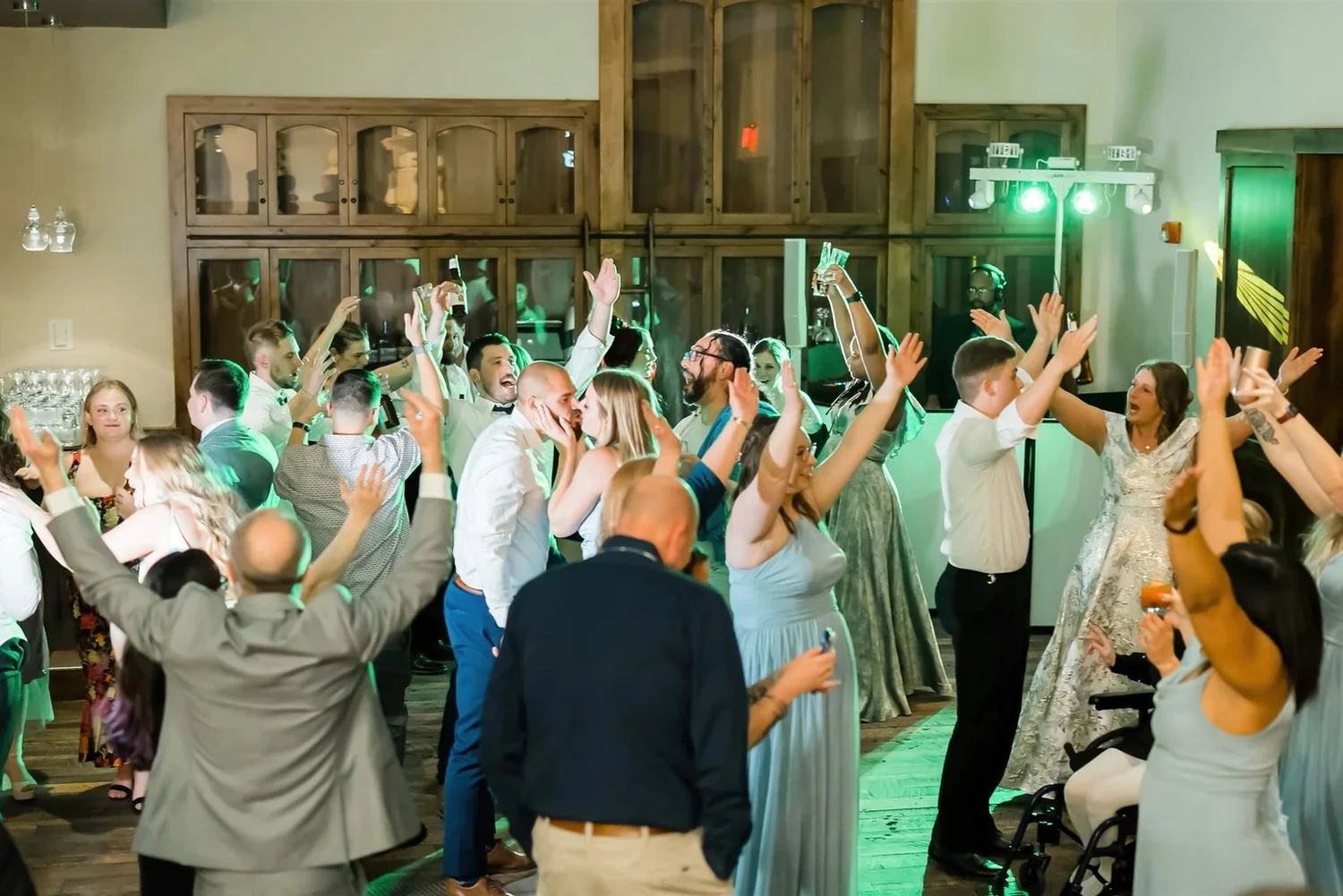
Dinner is running late, and the reception timeline suddenly looks impossible. The first dance, toasts, cake cutting, and open dancing were all supposed to happen soon. Guests are still eating, the couple wants to enjoy the meal, and several vendors need to know what comes next.
For Columbus wedding planners and couples, the best response is a coordinated adjustment based on the couple’s priorities and the team’s actual constraints. A DJ can keep the room comfortable and communicate the approved plan, but music alone cannot solve a service delay. The useful work happens when the planner, catering team, venue, and entertainment team share accurate information.
Find out what is actually delayed
Before changing the schedule, ask the catering lead for a realistic update. Is dinner ten minutes behind, or is the timing uncertain? Are guests still being served, or has service finished and plates simply need clearing? Those are different situations.
Avoid making an announcement based on a guess. Telling guests that dancing starts in five minutes creates a new expectation the team may not be able to meet. The DJ can continue appropriate dinner music while the event lead gathers enough information to make a useful decision.
A clear update should describe the current stage of service and the next point when the team can reassess. That is more helpful than repeated assurances that everything is almost ready.
Protect the couple’s time to eat
A delayed meal should not automatically mean the couple loses dinner. Check whether they have been served and whether they are comfortable moving directly into formal activities. Their experience matters as much as maintaining the appearance of an exact schedule.
Couples can discuss this priority before the wedding. If having a few uninterrupted minutes together over dinner is important, tell the planner and DJ. The team can account for that preference when evaluating changes.
Also avoid filling every delay by asking the couple to perform another activity. A wedding is a celebration with meals, conversations, and breathing room. Some transitions can become more relaxed without becoming a problem for guests.
Identify the times that cannot move easily
Review the venue’s music ending time, photography and video coverage, transportation, and any other meaningful restrictions. A flexible first dance time is different from a fixed room closing time. Know which constraints are confirmed and who can approve any change.
Do not assume extra DJ time will be available or that another vendor can stay later. Extensions may depend on contracts, staffing, venue permission, and availability. Our wedding DJ overtime guide explains the questions worth settling before an extension becomes urgent.
This review helps the team choose a realistic revised sequence. It also prevents solving one delay by creating a new problem for another vendor.
Ask which moments matter most
The couple’s priorities should guide the adjustment. They may care most about toasts with grandparents present, a particular family dance, or an uninterrupted stretch of open dancing. Those preferences are best discussed during planning, when there is time to consider them calmly.
Separate required activities from optional ones. A planned game, a second photo opportunity, or a lengthy transition may be easier to shorten or remove than a meaningful dance. Any change should be approved by the couple or the person they have authorized.
The DJ should not quietly eliminate a special song because dinner was late. Clear priorities allow changes to be deliberate instead of accidental.
Consider changing order before cutting important moments
Sometimes a different sequence works better than rushing everything. Toasts might move until after service, a formal dance might happen before a planned dessert activity, or cake cutting might become a quieter moment if the couple prefers.
Each option needs a practical check. Can the photographer be ready? Will a speech interrupt servers carrying meals? Is the cake accessible? Are the participants present? A revised order should improve the experience across the room.
For additional guidance, read the wedding reception flow guide. The purpose of a sequence is to connect activities naturally, not to preserve an order that no longer serves the celebration.
Keep background music appropriate to the room
While guests are eating, the DJ can adjust background selections to support the atmosphere. A little more energy may suit a lively room, while a quieter approach may fit a conversational dinner. The right choice depends on what is actually happening.
Starting peak dance music while most guests are holding plates can create an awkward mismatch. Likewise, turning the microphone into a running commentary about the delay can draw more attention to it than necessary.
A calm, prepared DJ helps maintain continuity. The music provides a comfortable setting while the team handles logistics, then changes purpose when guests are ready for the next part of the evening.

Communicate the revised plan privately first
The planner or event lead should tell the DJ, caterer, photographer, videographer, and venue contact which activities have moved. Include any affected participants, such as toast speakers or family members joining a dance.
Keep the update concise: what happens next, who needs to be ready, and which earlier instruction is replaced. One clear update is more useful than several partial conversations that reach different people.
Our shared wedding timeline guide explains how to establish a single current plan. An event-day change still needs the same ownership and cue process as the original schedule.
Give guests only the information they need
Once the team agrees, the DJ can explain the next step in a positive, accurate way. Guests might need to know that dinner will continue before formal dances or that toasts are beginning shortly. They usually do not need a detailed account of why the kitchen is behind.
Avoid assigning blame over the microphone. It creates discomfort, can undermine another vendor, and rarely helps the couple enjoy the evening. If a service issue needs to be discussed, the appropriate people can handle it privately.
The announcement should match the plan the team can actually deliver. Clear, limited information helps guests feel guided without making them watch the schedule being repaired.
Preserve a meaningful opening for dancing
When the room is ready, give open dancing a clear beginning. Confirm that the couple and necessary vendors are in place, finish any remaining announcement, and let the music establish momentum. Avoid repeatedly starting and stopping the dance floor for activities that could have been grouped together.
If dance time is shorter than expected, tell the DJ which must-play songs remain most important. A focused list helps the DJ balance meaningful selections with the room’s response. It is better to discuss the available time than to expect every song from a long inspiration playlist.
Do not judge the evening only by the original number of dancing minutes. A connected, enjoyable stretch of music can still be a strong experience.
A hypothetical Columbus reception adjustment
Imagine dinner finishing later than planned while the photographer’s coverage still allows the couple’s key dances. The planner confirms that the venue’s music ending time remains fixed. The couple chooses to keep their first dance and two short toasts while removing an optional game.
The planner checks readiness with photography and catering, then gives the DJ the revised order. The DJ makes a brief transition announcement, completes the formal moments, and opens dancing without another planned interruption.
This is one possible solution, not a universal formula. The useful habit is checking constraints and priorities before deciding what to shorten.
Dinner-delay checklist
- Get a realistic update from the catering lead.
- Confirm that the couple has time to eat.
- Check fixed ending times and vendor coverage.
- Review the couple’s most important remaining moments.
- Consider a revised order and approve any cuts.
- Notify every vendor and participant affected.
- Give guests a brief, accurate next-step announcement.
- Protect a connected period of dancing when the room is ready.
Frequently asked questions
Should we move speeches into dinner to save time?
That can work in some receptions, but coordinate with catering and the photo team. Active service, room noise, and microphone access may make a different point in the meal more suitable.
Will a delayed dinner ruin our reception?
It changes the available options, but it does not determine the whole experience. Calm communication, clear priorities, and a workable revised plan help the team make good use of the remaining evening.
Columbus wedding DJ and MC planning
At iShine Music Production, I personally plan music, mix live, and handle MC duties while coordinating with the event team. Explore wedding DJ services in Columbus or share your date and venue. We can discuss the reception flow and the priorities worth protecting when real life changes the schedule.