
Before the First Dance: Wedding DJ and Photographer Coordination in Columbus
By Christopher “DJ iShine” Summers · iShine Music Production
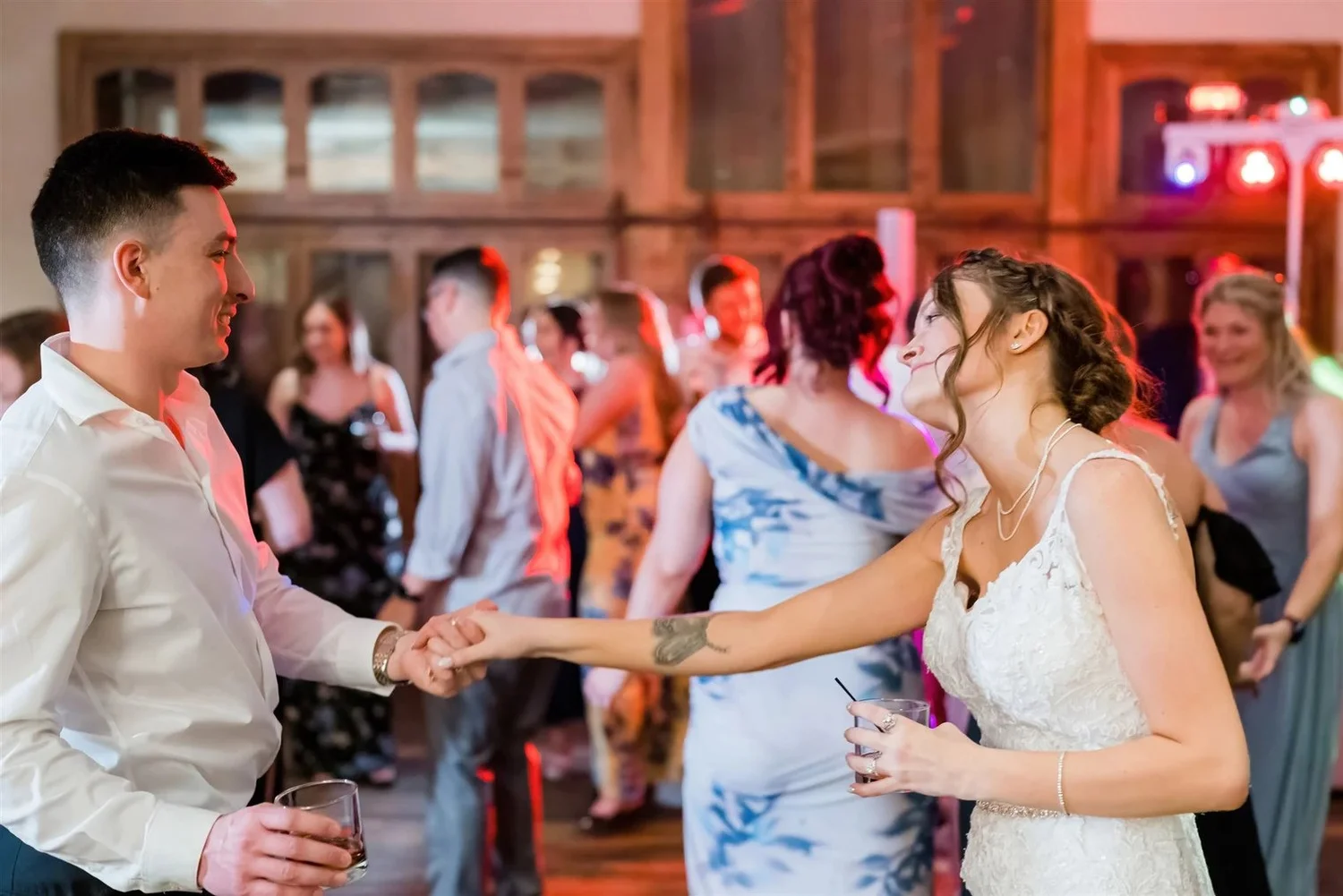
The first notes of a wedding first dance create an immediate response. Guests turn toward the floor, the couple steps into position, and the photographer looks for the moment. If the music begins before the photo team is ready, that opening cannot simply be recreated without changing the experience.
Good wedding DJ and photographer coordination helps protect those moments. For Columbus couples and planners, the most useful preparation is straightforward: agree on the sequence, share important timing details, and use a readiness check before the DJ starts a featured activity. The same approach also helps introductions, family dances, toasts, and planned exits.
Start with the moments that need everyone present
Identify the activities the couple wants documented and the vendors needed for each. A photographer may need to move lighting or choose a new angle between dinner and dancing. A videographer may need to confirm audio. A planner may need to gather participants before the DJ announces anything.
Mark these moments on the shared timeline. Do not assume the word “first dance” tells every vendor exactly what will happen. Note whether the couple enters directly into the dance, whether a short welcome comes first, and whether the recording has a shortened ending.
Planning these details helps avoid a situation where one vendor believes a transition is immediate while another expects a preparation break.
Share photography coverage constraints early
Confirm the photography team’s contracted coverage period and discuss any important activities scheduled near its end. If the couple wants a final formal dance photographed, that activity needs a realistic place in the plan. The DJ should know when a particular moment has a timing constraint.
This does not mean the DJ can extend another vendor’s services or approve changes to a photography agreement. If the schedule slips, the planner or couple should communicate with the photographer about the available options.
For more on keeping those decisions connected, read the shared wedding timeline guide. One current schedule helps everyone understand what needs to happen and what can move.
Create a readiness check before announcements
Agree that the DJ will receive a clear readiness signal before starting featured moments. The check should include the couple or participants, the photographer, the videographer when applicable, and the person coordinating the activity.
A simple direct question can prevent confusion: “Are you ready for the first dance?” The answer should come from someone who can actually confirm the team is in place. A guest saying that the couple looks ready does not establish that the photographer is back in the room.
Keep the process discreet. Guests do not need an explanation of every behind-the-scenes check. Background music can continue while the team finishes preparing, and the DJ can introduce the moment when everyone is ready.
Clarify the first dance entrance and ending
Explain how the couple will reach the floor. Will they already be standing there, walk in together, or move from their table? Share the exact recording and tell the photo team about a special opening, a choreographed turn, or a planned dip.
The ending matters too. If the couple is using a short section, the photographer should know the moment will end sooner than the original recording. If guests are invited to join, identify when that invitation happens and whether the couple wants a few photographs alone first.
Our first dance song version guide explains how to confirm the recording and cues with your DJ.
Coordinate introductions before the room is watching
Wedding party entrances can move quickly. Confirm the entry location, order, names, and whether people should pause or continue toward a particular place. The photographer needs to know where participants will appear and what they have been told to do.
If a door or hallway is outside the DJ’s view, the planner should identify the person who releases each entrance. That cue should match the introduction list. The DJ should not have to guess whether the next pair is ready while the photographer waits at the wrong doorway.
Couples can also share their comfort level with entrance staging. A relaxed walk and an energetic performance create different expectations. Clear direction helps the moment feel intentional without pressuring anyone into a style they dislike.
Plan toast positions and microphone handoffs
Before toasts begin, confirm where each speaker will stand and how the microphone will reach them. A speaker wandering behind a large floral arrangement may be difficult to photograph and difficult for guests to see.
The photographer, planner, and DJ can agree on a practical speaking location that works with the room. Keep sightlines, access, and sound in mind. Avoid asking someone to stand directly in front of a loudspeaker simply because the background looks attractive.
For multiple speakers, decide whether they come forward one at a time or remain near the speaking area. The DJ can then handle introductions and handoffs according to the agreed sequence. See the wedding speech microphone guide for more preparation tips.
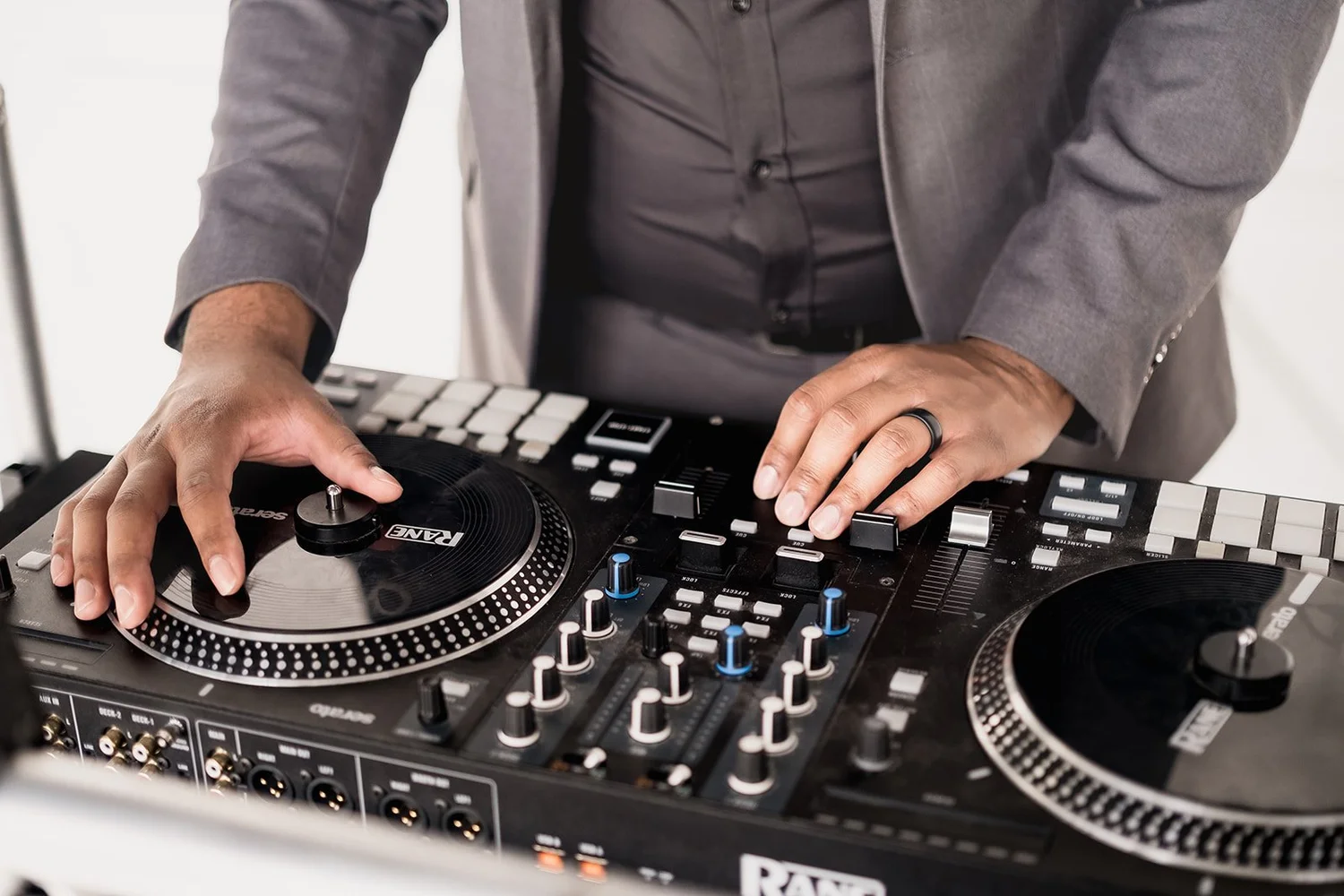
Discuss lighting goals without promising a camera result
Room lighting, decorative uplighting, and dance lighting serve different purposes. Ask the photographer about any concerns related to the planned formal moments, then discuss available options with the DJ and venue.
For example, the team may prefer a simpler lighting look during the first dance and a more active look later. The actual options depend on the equipment, venue controls, and agreed services. A DJ should not promise a specific photograph, and a couple should not assume every light in the room is controlled from the DJ booth.
Have this conversation during planning rather than discovering conflicting expectations as the dance begins. It is easier to coordinate a look when everyone knows who controls each part of the room.
Build a process for unexpected schedule changes
If dinner runs late or portraits take longer, check with the photo team before moving a featured moment. A revised first dance time may affect a break, equipment preparation, or coverage ending. A quick update gives the team a chance to respond.
Name one person to coordinate the change, then have that person notify everyone affected. Sending several independent messages can produce conflicting answers. The DJ should receive a clear final instruction after the practical details are resolved.
Keep the couple’s priorities central. If two desired moments no longer fit before a coverage deadline, the couple or authorized planner should help choose the order rather than leaving that decision to an improvised announcement.
A hypothetical first dance handoff
Imagine a Columbus reception where the couple is ready to dance but the photographer is finishing a lighting adjustment. The planner tells the DJ to continue background music for a moment and confirms that the couple is comfortable waiting.
Once photography and video are ready, the planner gives the agreed signal. The DJ introduces the couple, plays the confirmed short version, and follows the planned transition into a family dance. Guests experience a smooth sequence because the small preparation delay happened before the announcement.
The lesson is not that every moment requires a meeting. It is that one brief readiness check can protect a moment the couple cares about.
DJ and photographer coordination checklist
- Confirm the shared timeline and photography coverage period.
- Identify moments requiring a readiness signal.
- Share entrance locations and participant order.
- Explain shortened recordings, choreography, and guest invitations.
- Agree on toast positions and microphone handoffs.
- Discuss lighting expectations and who controls each system.
- Notify the photo team before moving an important activity.
- Keep the final cue process clear and discreet.
Frequently asked questions
Does our DJ need to contact the photographer before the wedding?
Direct coordination can be helpful when timing, special effects, audio, or unusual transitions are involved. At minimum, both vendors should receive the current timeline and know who coordinates event-day cues.
Can we surprise guests with our first dance?
Yes, but tell the professionals responsible for running and documenting it. The guest experience can remain a surprise while the team prepares the correct music, positioning, and timing.
Who decides when the first dance starts?
Agree on that during planning. Usually the timeline identifies a coordinating contact, and the DJ begins after the participants and necessary vendors confirm readiness.
Working with DJ iShine in Columbus
I personally handle planning, live mixing, and MC duties at iShine Music Production and coordinate important cues with the event team. Explore Columbus wedding DJ services or share your date and venue. Tell me about the moments you most want to protect so we can plan the preparation around them.