
How to Make Sure Your DJ Plays the Right First Dance Song Version
By Christopher “DJ iShine” Summers · iShine Music Production
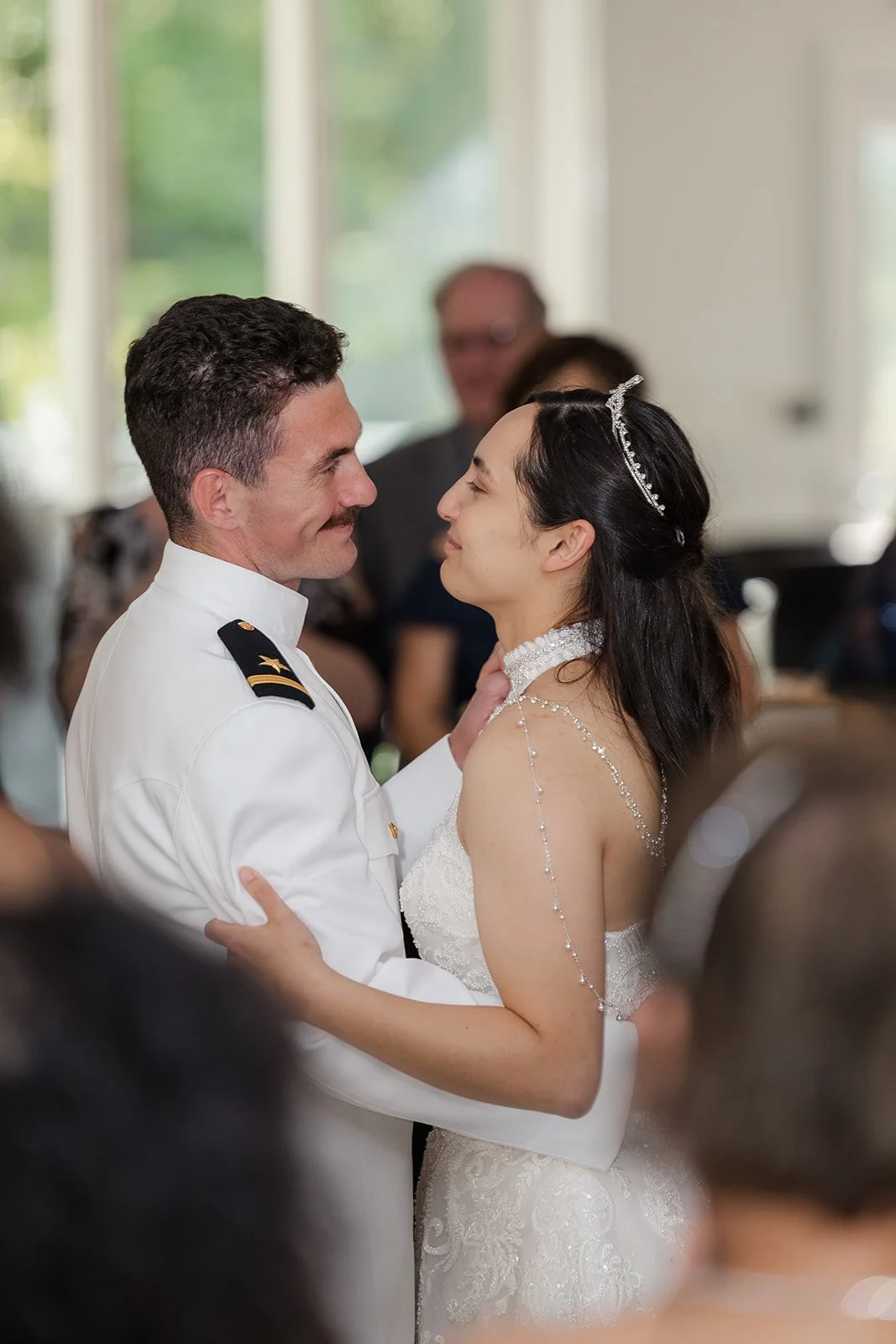
The song title may be right while the recording is wrong. An acoustic version, live performance, radio edit, remaster, or custom first dance edit can have a different introduction, length, or ending. If you have rehearsed to one version and hear another at the wedding, even a familiar song can feel unexpectedly difficult to follow.
For Columbus couples, the solution is a clear recording confirmation process with your DJ. Identify the exact version, agree on how it begins and ends, and practice with the approved file when timing matters. This guide helps you protect the first dance without turning music planning into guesswork.
Identify the recording beyond the song title
Write down the title, artist, and version information shown with the recording. Add a useful reference link and the approximate running time. If the selection is a live or acoustic performance, say so directly. A title alone may not distinguish it from the better-known release.
Ask the DJ how they want to receive the information and how the final recording will be verified. A link can be helpful, but the planning conversation should confirm the actual audio intended for the wedding. If a particular introduction or vocal entrance matters, mention it. You are giving the performer enough detail to identify the recording you know rather than asking them to infer your preference from a familiar name.
Explain whether you are using the complete recording
Decide whether the first dance should use the full song, a shortened section, an early fade, or a custom edit. These are different instructions. Tell the DJ what you want guests to hear and how long you are comfortable being on the floor.
If a shortened version is requested, discuss the intended beginning and ending before treating the edit as final. A simple early fade may feel different from a carefully structured shorter recording. The right approach depends on the song and your preference. Confirm the agreed version and avoid continuing to rehearse with an earlier file after a change has been made.
Coordinate with choreography or a planned routine
If you are working with a dance instructor or following a practiced routine, tell the DJ which recording the choreography uses. Identify any specific musical cues, tempo expectations, or ending that the routine depends on. Ask the relevant people to confirm they are working from the same approved version.
Do not assume the instructor’s file and a commercially available recording are identical. A small difference in the introduction or structure can matter when movement has been timed to the music. Once the audio is approved, use that version consistently for practice. If the recording needs to change, review the effect on the routine before the wedding rather than expecting the couple to adapt in front of guests.
Decide how the music starts
Your DJ needs to know the cue for beginning the first dance. Will the couple already be positioned on the floor? Does the MC introduce the moment first? Is there a musical introduction you want to hear before moving? Your planner can help coordinate the sequence.
If the song starts at a particular point, identify it clearly and confirm the result with the DJ. A time reference can be useful, but the approved recording still matters because timestamps can differ between versions. The goal is one shared understanding of the exact audio and the physical moment when it begins. This helps the couple, DJ, planner, and photo team prepare the transition together.
Plan the ending and next action
A first dance can end with applause, a transition to another special dance, an invitation for guests to join, or another approved sequence. Tell the DJ what should happen after the music ends. The ending is part of the event plan, not just the final seconds of a file.
If you want guests invited onto the floor during the song, identify the cue and whether the recording continues afterward. If you prefer a private moment as a couple, discuss how the MC handles the transition. A clear ending helps you avoid standing uncertainly while the event team decides what comes next. It also gives the photographer and videographer useful information about the moment they are preparing to capture.
Keep one final audio decision
Wedding music choices can become scattered across messages, playlists, downloads, and edited files. Agree on where the final selection is recorded and when it will be reviewed. Use a clear file name or note that identifies the approved version rather than relying on several attachments with similar names.
If you change your mind, notify the DJ directly and confirm the update. Do not assume a revised playlist or a newly sent link automatically replaces the earlier instruction. A short final confirmation can state the title, artist, version, length, start cue, and ending plan. Keeping that decision together also makes the information easier to hand off if an emergency replacement ever becomes necessary.
Give the photo and video team the relevant cues
Your photographer and videographer need to know when the first dance will happen and whether the sequence has unusual timing. Share the final timeline and any guest invitation or planned ending that affects the moment. They do not need every music planning note, but they do need a reliable cue.
Ask the planner and DJ to confirm readiness before the announcement. A correct recording cannot prevent a missed photo if the moment begins before the team is positioned. The music confirmation and vendor coordination should support each other. This is especially useful when the first dance follows an entrance directly or happens at a different point from the original reception schedule.
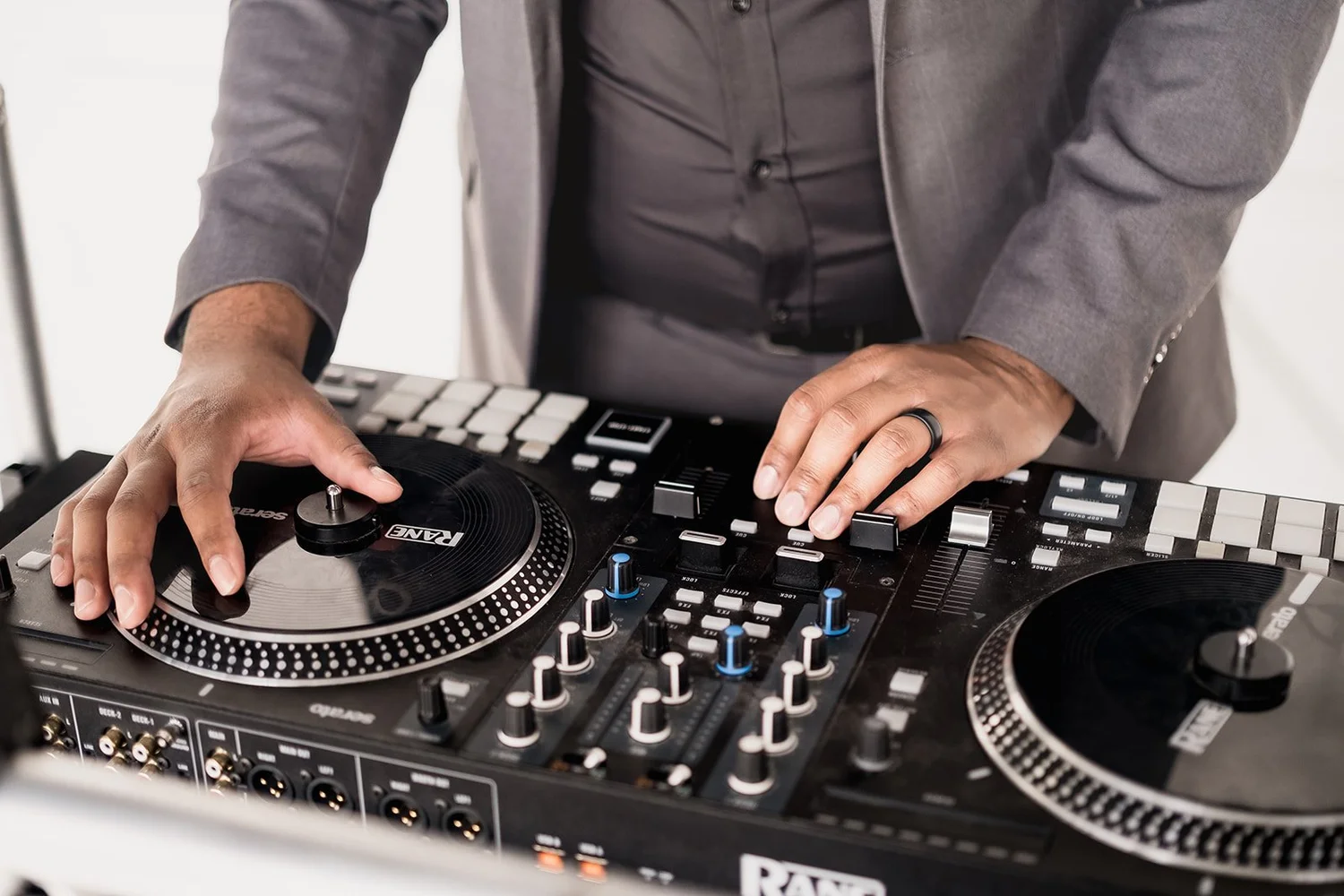
A hypothetical Columbus first dance example
Imagine a couple rehearsing to an acoustic recording with a short introduction. Their DJ has the original studio release, which begins differently. Before the final meeting, the couple provides the exact reference and explains that the choreography depends on the acoustic version’s opening.
The DJ reviews the selection, confirms the approved recording, and records the start and ending instructions. The couple practices with that final version, and the planner adds the cue to the shared timeline. This hypothetical example shows how a simple verification conversation can prevent confusion without requiring the couple to become audio specialists.
First dance confirmation worksheet
- Song title and artist.
- Exact version, release, or performance reference.
- Approximate running time and approved file when relevant.
- Full recording, shortened edit, or planned fade.
- Starting point and the cue for beginning playback.
- Choreography or musical details that must remain consistent.
- Ending plan and the activity immediately afterward.
- Final confirmation date and the location of the approved instructions.
Review this worksheet with the DJ and keep it aligned with the reception timeline. If one detail changes, update the people whose work depends on it.
Common first dance version questions
Is a playlist link enough to identify the recording?
It can help, but confirm the version and intended use directly. A general list may not explain a custom edit, starting point, or choreography requirement.
Can the DJ shorten the song?
Ask what editing or fade options are available and how the result will be approved. Review the final version before the wedding and practice with it when timing matters.
Should we send several versions so the DJ can choose?
You can discuss options during planning, but identify one final approved recording. Leaving several alternatives unresolved can create avoidable uncertainty at the moment of playback.
What if we change the song close to the date?
Tell the DJ directly, ask what preparation time is needed, and confirm the replacement recording and cues. A late message should not be assumed to update every part of the event plan automatically.
Prepare the first dance with DJ iShine
I’m Christopher “DJ iShine” Summers, personally handling planning, live mixing, and MC duties for Columbus and Central Ohio weddings. Read song version and cue planning advice, explore what to expect, and share your date and venue. Tell me which recording and moments matter so we can prepare the dance together.