
Wedding Aisle Music Timing: Who Cues the DJ at a Columbus Ceremony?
By Christopher “DJ iShine” Summers · iShine Music Production
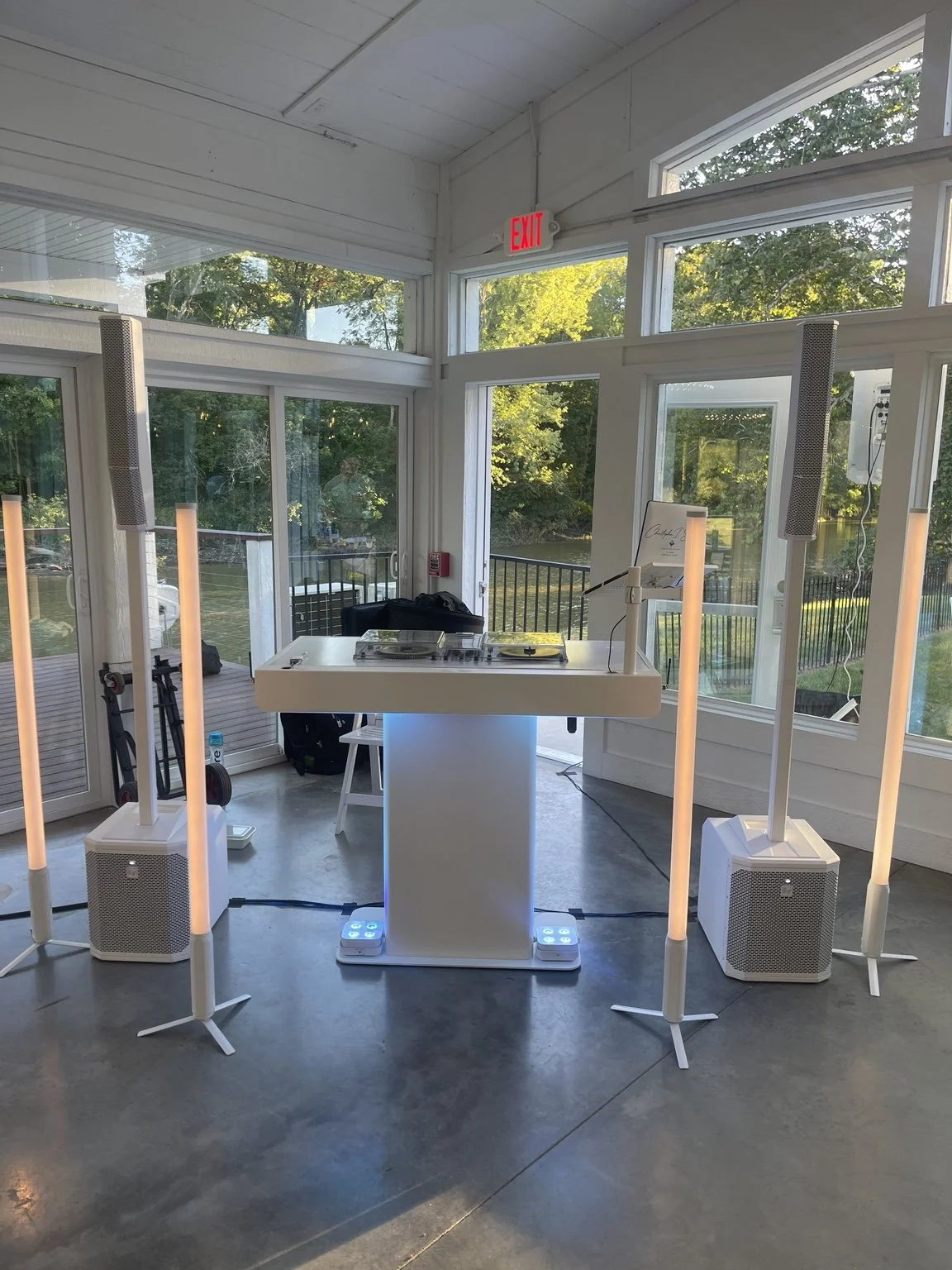
Your aisle music can be prepared perfectly and still begin at the wrong moment if nobody has agreed who gives the cue. Ceremony timing depends on the people, the walking order, the physical layout, and the officiant’s sequence. The DJ needs a clear signal from someone who can see when the next moment is ready.
For Columbus weddings, make ceremony cues a shared planning task among the couple, planner, officiant, and sound provider. A simple written cue plan can protect the atmosphere without requiring every step to follow a rigid stopwatch. Here is what to confirm before guests arrive.
Name the person responsible for each cue
Decide who tells the DJ to begin the processional, change to a separate entrance song, and start the recessional. Your planner or coordinator may handle the walking cues, while the officiant’s words may define the closing moment. Confirm the actual arrangement for your wedding.
The cue person should be positioned to see what they need to see and know how to communicate with the DJ. Do not assume the performer can see every entrance from the sound position. A venue with a hidden doorway or a longer approach can create practical sightline questions. The important part is one agreed signal for each moment rather than several people independently deciding that it is time to press play.
Review the complete ceremony sequence
List the order of entrances and any separate music selections. Include family seating or other planned moments that affect the opening. Identify pauses, readings, rituals, or changes in the ceremony that may need music. Your officiant can clarify the spoken sequence.
Use the plan you have actually chosen rather than a generic ceremony template. Different weddings include different participants, traditions, and entrances. If a particular moment does not exist, remove it from the cue notes. The DJ should be able to follow the final order without guessing which parts of an old worksheet still apply. Your planner can help keep the music cues aligned with the ceremony document everyone is using.
Confirm exact recordings and starting points
Identify the title, artist, and version for every ceremony selection. A live or acoustic recording may begin differently from the familiar studio release. If you want the music to start at a particular point, explain that preference and ask the DJ to confirm the approved audio.
A timestamp is useful only when everyone is referring to the same recording. Describe the musical moment as well when it helps, such as the beginning of a vocal line or an instrumental section. If an edit is created, review the final version before the wedding. Clear recording instructions allow the cue person to focus on the entrance rather than trying to solve which version should be played as participants are lining up.
Decide when the first person begins walking
Some couples want an entrance to begin immediately with the music. Others want a short musical lead-in or a particular section before the first person moves. Discuss the preference with the planner and DJ so it becomes part of the cue plan.
The walking order and aisle length affect what feels comfortable. You do not need to force every person to walk at an identical pace, but the event team should understand the intended opening. A simple rehearsal or walkthrough can reveal whether the music introduction gives enough time. Ask who is attending that preparation and what services are included instead of assuming the DJ will be present at a separate rehearsal.
Plan the transition between entrance songs
If the wedding party and the couple use different selections, decide how the change should happen. Does the first song fade after the last attendant is in position? Is there a brief pause? Does the next track begin before the door opens? These are practical choices that shape the moment.
Confirm the cue person’s role in the transition. The DJ may need a clear signal that the first group has completed its entrance and the next participant is ready. Avoid depending on a guessed time when an actual visual confirmation is possible. A prepared transition can feel natural while still allow the people walking to move comfortably rather than rush to match an unreviewed song length.
Agree on how music ends at the front
Tell the DJ whether the entrance music should fade when the couple reaches a certain position, after everyone settles, or on another agreed cue. The officiant should know when they can begin speaking. A small amount of coordination can prevent words and music from competing at the start.
The ending does not need to be complicated. It simply needs to be understood by the people involved. If the aisle walk takes longer than expected, the DJ should know the approved approach rather than assume the song must stop at a fixed second. Discuss any flexibility in advance, especially if the recording includes a section you do not want to reach during the entrance.
Coordinate the recessional with the officiant
The recessional often follows a spoken closing moment, but the exact wording and timing should be confirmed with your officiant. Ask what signal the DJ should use and whether there is a pause for applause, a kiss, or another planned action before the music begins.
Do not rely on a generic expectation about how all ceremonies end. The officiant’s version and the couple’s preferences govern the sequence. Record the chosen cue and the correct starting point for the recessional song. The photo and video team can then prepare for the exit with the same understanding, rather than reacting to a sudden musical start that does not match the planned movement.
Include the indoor alternative
An outdoor ceremony moved indoors may change the aisle length, entrance location, DJ position, and cue person’s sightline. Share the approved alternative with the sound provider before the wedding. Ask whether the cue process needs a different arrangement in that space.
Your venue and planner should establish the decision process and when the equipment needs to be ready. A backup location is more useful when its music and microphone requirements have been considered. You do not have to rehearse every possible variation, but the people responsible should understand what changes when the room changes. This supports continuity if the outdoor plan becomes unsuitable.
A practical ceremony cue sheet
Use a short list the planner, DJ, and officiant can review together. Each entry should identify the moment and the person responsible for confirming readiness.
- Seating music start and the expected guest arrival period.
- Processional recording, starting point, and first walking cue.
- Wedding party order and any planned spacing.
- Separate entrance recording and transition signal.
- Entrance music ending and officiant speaking cue.
- Any music during readings or other ceremony moments.
- Recessional recording, spoken cue, and exit plan.
- Changes required for the approved indoor alternative.
Keep one final version and communicate revisions directly to the affected people.
Common aisle music timing questions
Can the DJ just watch and start the song?
Sometimes the position provides a clear view, but do not assume it. Confirm sightlines and assign a cue method that works in the actual venue layout.
Does every entrance need a separate song?
No. Choose the structure you want and ask how the music can support it. One recording or several can work when timing and transitions are prepared.
What if someone walks slower than expected?
Discuss flexibility and song length before the ceremony. The cue plan should support real people moving comfortably rather than depend entirely on an untested stopwatch.
Prepare your ceremony with DJ iShine
I’m Christopher “DJ iShine” Summers, personally handling planning, live mixing, and MC duties for Columbus and Central Ohio weddings. Read ceremony and toast sound planning, explore what to expect, and share your date and venue. Tell me about the ceremony sequence so we can discuss clear recordings, cues, and sound coverage.