
Full Songs or Quick Mixing? Choosing Your Columbus Wedding DJ’s Style
By Christopher “DJ iShine” Summers · iShine Music Production
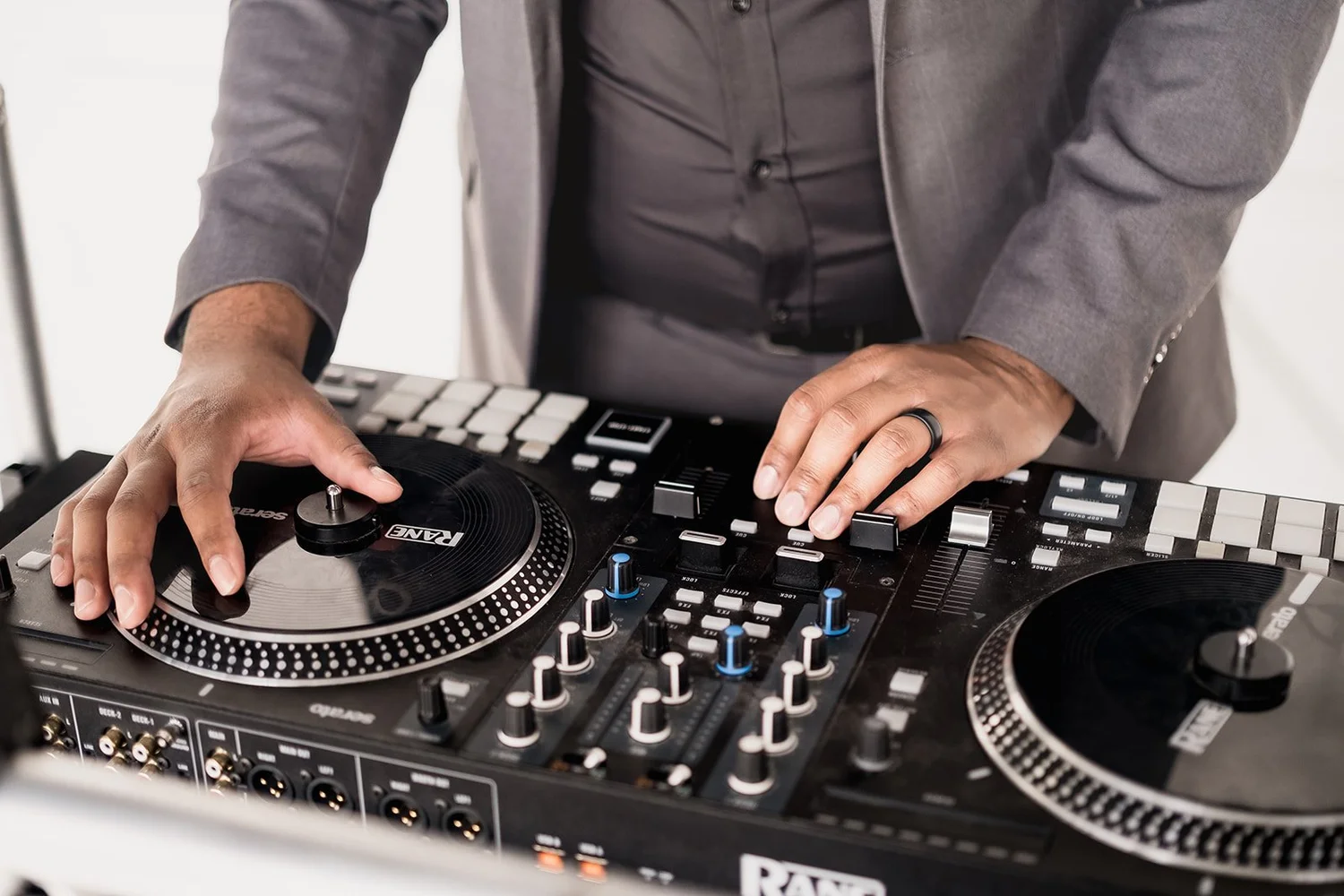
Some couples want familiar songs to unfold through the chorus. Others enjoy quick blends, frequent changes, and a dance set that moves rapidly between styles. Both preferences belong in wedding DJ planning, but a playlist alone does not communicate how you want the music performed.
For Columbus couples, the important question is how the DJ treats the songs and adapts that approach to your reception. Discuss original recordings, shorter sections, remixes, and meaningful moments before booking. This guide helps you describe the mixing style you enjoy and understand the choices behind it.
Define what you mean by a full song
You may want nearly every verse, a familiar introduction and chorus, or simply enough time to enjoy the recognizable part before a transition. Those are different expectations. Give the DJ an example and explain which part you want guests to experience.
A request for full songs can also apply only to particular tracks. Perhaps one recording matters to your friend group and should play through a certain section, while other selections can be mixed more briefly. Identify those priorities. The DJ can then distinguish a meaningful instruction from a general preference and explain how it fits the reception’s available music time.
Understand what quicker mixing changes
Shorter song sections can allow more selections and more frequent shifts in energy. They can also feel rushed to listeners waiting for a favorite verse or chorus. The right approach depends on your preferences, the recording, the audience, and the moment.
Ask the DJ to describe their usual style and how it changes for weddings. A rapid promotional mix may demonstrate one approach without representing every minute of a reception. Listen to relevant samples and discuss what you liked or found abrupt. You are looking for a shared understanding, not a universal rule about how many seconds every wedding song should last.
Separate live mixing from a particular pace
Live mixing describes active musical performance and transitions, but it does not automatically mean every song is short or heavily remixed. A DJ can make deliberate transitions while allowing important sections to play. Ask how the performer balances continuity, familiarity, and changes in the room.
Your preference may combine complete moments for singalongs, smoother shorter blends elsewhere, and exact recordings for formal dances. Explain that balance. A clear conversation helps you evaluate the actual service rather than assuming one label tells you how the entire wedding will sound. The approach should connect to your celebration and the music you want guests to recognize.
Discuss remixes and original recordings
A remix may change a song’s rhythm, structure, vocals, or atmosphere. Some couples enjoy those changes, while others strongly prefer the familiar original. Tell the DJ what you want, especially for songs with personal meaning or strong guest recognition.
If a sample includes a version you do not enjoy, ask whether it reflects that event’s direction and what alternatives are available. Avoid treating a title alone as confirmation of the recording. For essential songs, identify the exact version. You can welcome creative transitions in some parts of the night while preserving a familiar recording where it matters most.
Protect formal moments with exact instructions
Your processional, entrance, first dance, parent dance, and final song may require more precision than open dancing. Confirm the artist, version, starting point, intended length, and ending for each fixed moment. If choreography is involved, practice with the final approved recording.
Tell the DJ when a song should remain intact and when an edit or fade is requested. The planner and photo team should understand any cue affecting the sequence. A preference for fast mixing should not be interpreted as permission to shorten a formal moment without agreement. Keep those decisions separate from the broader dance-floor brief so the performer can prepare them accurately.
Consider your actual guests
Guests vary in how they respond to familiar songs, new music, quick transitions, and genre changes. Share what you know about your families and friends without assuming age determines taste. Explain which songs connect several groups and which are personal favorites.
Ask how the DJ adapts if the room responds differently from the original plan. You may want flexible pacing within clear boundaries, or you may prefer a closely directed set. Discuss the approach before the wedding. The performer can then make decisions with a useful understanding of your expectations instead of choosing between guessing and repeatedly interrupting you for approval.
Use different pacing across the day
Cocktails, dinner, formal moments, and dancing do not have to share one performance style. Background music may support conversation, while open dancing calls for a different energy. Discuss how your preferences apply to each portion the DJ covers.
You might want original recordings during dinner, exact edits for special dances, and more active blending later. Confirm whether separate sound locations or another provider handle any part of the schedule so the relevant direction reaches the correct person. A wedding soundtrack can vary in pace while remaining coherent when the choices are intentional and connected to the event.

Review samples with practical notes
Listen to more than one isolated transition when examples are available. Notice whether the pace feels comfortable, which song sections remain recognizable, and how changes between styles sound. Write down specific reactions to discuss with your partner and DJ.
- Which transitions did we enjoy and why?
- Did a favorite song feel too short for our preference?
- Do we like the remixes and recording versions used?
- Which important songs should receive a specific treatment?
- How much flexibility should the DJ have as the crowd changes?
The notes do not need to be technical. Clear reactions and concrete examples give the performer more useful direction than asking for good mixing without defining what you enjoy hearing.
A hypothetical Columbus reception brief
Imagine a couple who enjoys lively transitions but wants several favorite choruses played in their original versions. They identify those songs as priorities, provide exact recordings for formal moments, and give the DJ room to make shorter blends elsewhere.
The performer can discuss how to balance the approaches. If the couple instead wants nearly every song played in full, that becomes a different conversation about time and musical flow. This hypothetical example shows that the choice does not have to be one rigid style for the whole wedding. A clear brief can describe the balance you want.
Confirm the final performance direction
Summarize the agreed preferences in the music planning notes. Distinguish broad style direction from exact song instructions and keep the do-not-play boundaries visible. If you revise the treatment of an important recording, tell the DJ directly and confirm the update.
At the final review, ask the performer to explain how they understand the brief. You should be able to picture the approach even if you are not choosing every transition. A shared understanding gives the DJ a practical basis for preparation and gives you confidence that favorite songs will be handled as discussed.
Common mixing-style questions
Does live mixing always mean short song snippets?
No. Ask how the DJ uses transitions and song lengths for a wedding. The pace can vary, and important selections can receive specific treatment when agreed during planning.
Can we ask for original versions only?
Discuss that preference before booking and identify essential recordings clearly. Ask how the provider’s usual approach fits the request and where flexibility, if any, remains.
Can we combine full songs and quick blends?
Yes, if that is the arrangement you and the DJ agree on. Identify the tracks or moments needing particular treatment and describe the desired approach for the rest of the reception.
Hear how DJ iShine mixes
I’m Christopher “DJ iShine” Summers, personally handling planning, live mixing, and MC hosting for Columbus and Central Ohio weddings. Explore my mixes, read song version planning advice, and share your date and venue. Tell me how you want your favorite music to feel when you hear it with your guests.