
How to Prevent Wedding Speech Microphone Problems in Columbus
By Christopher “DJ iShine” Summers · iShine Music Production
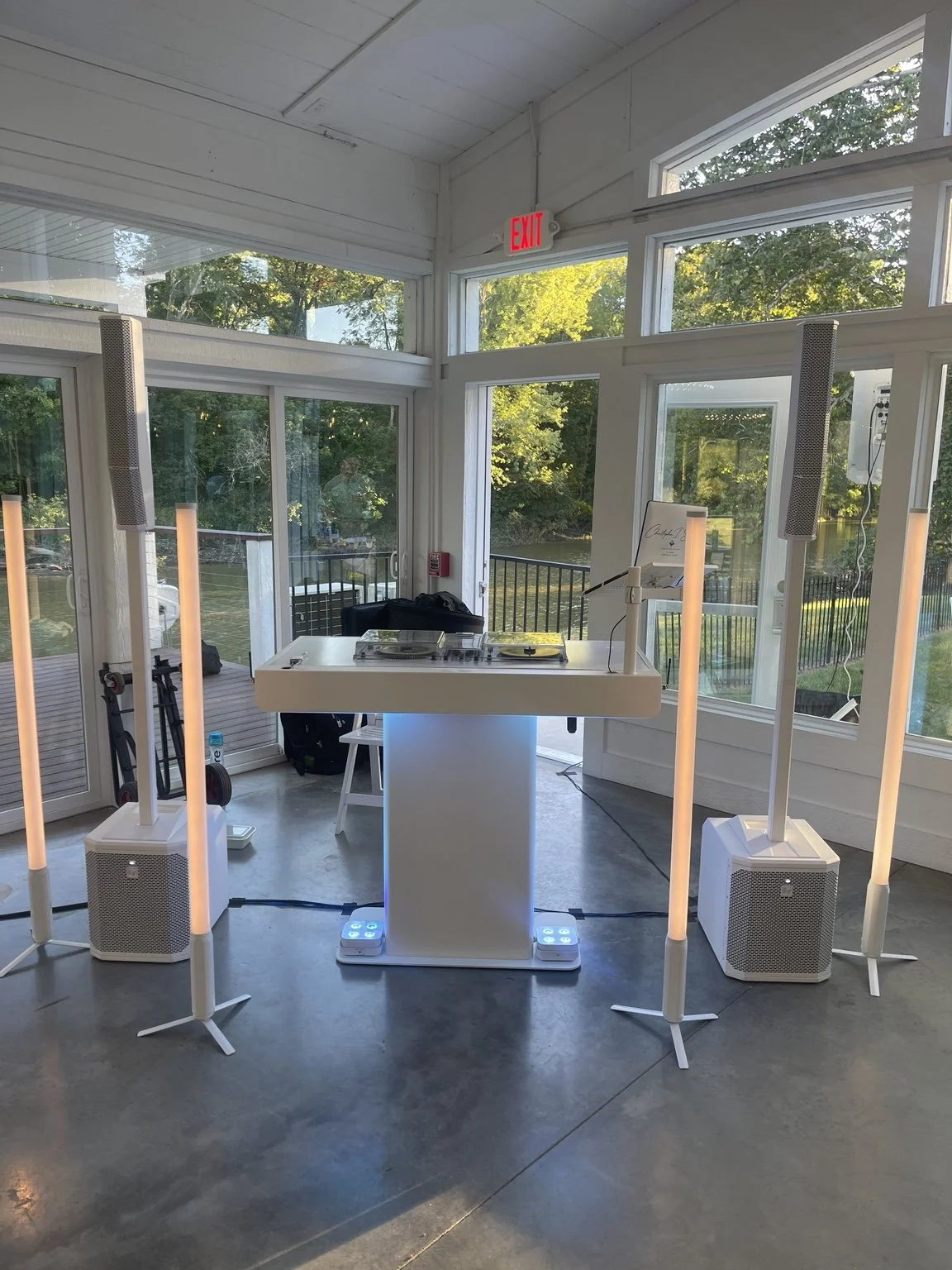
Wedding speeches deserve more than a microphone handed to someone a few seconds before they stand up. Clear toast audio depends on the sound setup, the speaker’s position, simple microphone guidance, and a coordinated handoff. A thoughtful plan helps guests hear the words and lets the people speaking focus on the moment.
For a Columbus wedding, your DJ, planner, and speakers can prepare these details without adding a complicated rehearsal to the reception. Start with the speaking order and location, then confirm how the microphone will be checked, passed, and operated. Here is a practical approach to smoother speeches.
Confirm who is speaking and in what order
Give the DJ and planner a final list of speakers, preferred names, and the order of introductions. Identify whether speeches happen together or at different points during dinner. If a speaker changes, communicate the update directly to the event team.
The order affects more than announcements. It helps the DJ know who needs the microphone next and gives the photographer and videographer time to prepare. A vague timeline entry that says speeches leaves those handoffs unresolved. A simple sequence can identify the first speaker, the people following them, and the person responsible for confirming readiness before the MC introduces the moment.
Choose the speaking location with the sound provider
Discuss where speakers should stand so guests can see and hear them. The position should work with the room layout, speakers, couple, and photo team. Your DJ can identify an appropriate area for the sound system being used.
Tell speakers where that area is before their turn. If someone expects to remain at a table or move while speaking, discuss it in advance. A wireless microphone allows movement, but the event plan still benefits from a deliberate position. The goal is a comfortable setup that supports the room and the moment, rather than asking the speaker to discover the best location after the microphone is already live.
Give each speaker a brief microphone introduction
Ask the DJ to explain how to hold and use the microphone before the speech. A person who has spoken publicly before may still be unfamiliar with this particular setup. Simple guidance about keeping a consistent position and following the sound provider’s instructions can help.
Shure’s presentation microphone guide emphasizes checking the sound in the actual speaking situation and being aware of movement-related noise. Apply that idea through a short, practical check with the DJ. The speaker should know whether they need to operate any switch, who handles adjustments, and what to do when their speech ends. Clear preparation reduces unnecessary handling during the toast.
Plan for notes, phones, and gestures
A speaker may hold a phone, printed notes, a glass, and a microphone while trying to make eye contact. Think through that combination beforehand. A stand or another arrangement may be appropriate depending on the room and the provider’s equipment.
Encourage the speaker to practice the physical setup they expect to use. The point is not to turn a personal toast into a formal performance. It is to make the practical details familiar enough that the microphone stays in a usable position when the person looks at notes or gestures. Your DJ can explain what works for the chosen arrangement and help the speaker avoid discovering a handling problem in front of guests.
Coordinate the moment with catering
Your planner should check whether meal service, clearing, or another room activity affects the speeches. Guests may struggle to focus when several things compete for attention at once. The timing should reflect the actual service plan rather than assume all dinner schedules work the same way.
Before the MC introduces the first speaker, confirm that the relevant vendors are ready. This protects the toast and helps avoid an awkward pause after the announcement. If catering needs a few more minutes, suitable background music can continue while the team coordinates. Guests do not need a detailed public explanation of every adjustment. A clear readiness check can keep the transition natural.
Decide who hands over the microphone
Name the person responsible for bringing the microphone to the first speaker and moving it between speakers. It might be the DJ, MC, planner, or another agreed person. The arrangement should be clear enough that nobody has to search for the microphone while the next name is being announced.
Ask speakers to follow the planned handoff rather than passing the microphone unpredictably around the room. If more than one person will speak together, tell the sound provider so the setup can be considered. The microphone count and arrangement should fit the actual speech format. A shared plan gives the speakers a comfortable transition and lets the DJ maintain control of the audio.
Give the DJ a clear role in sound adjustments
Confirm who monitors the speech audio and responds if a problem occurs. The speaker should know how to pause and look to the designated person if something is wrong. Guests and relatives should not need to experiment with equipment controls during the toast.
Discuss backup arrangements with the provider as part of the overall service conversation. You do not need to prescribe a technical solution yourself. You need an understandable explanation of how essential speech audio will be supported. The DJ can prepare the system and explain simple instructions, while the planner manages the event sequence and communicates with the couple when a schedule decision is needed.
Include the videographer’s recording needs
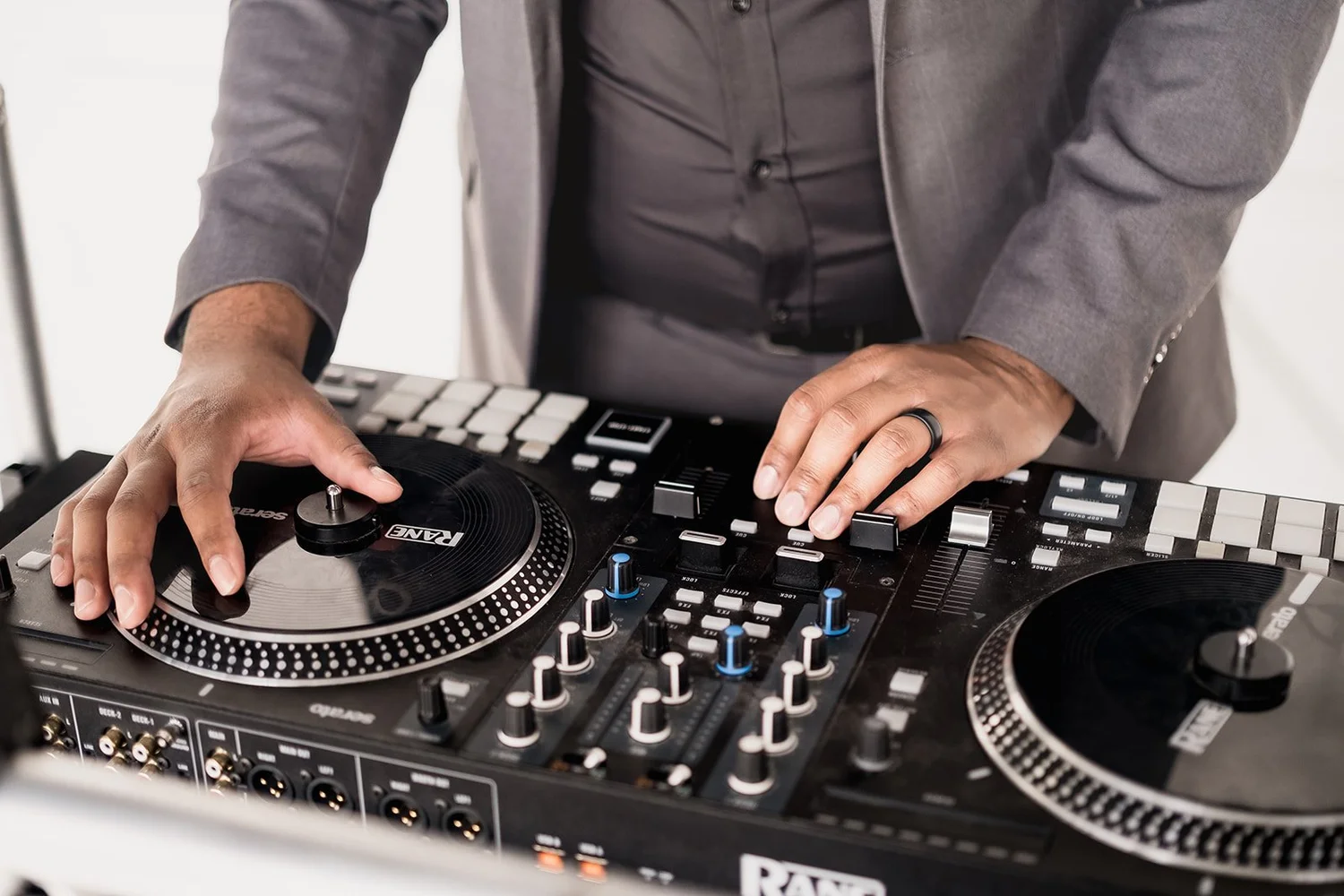
Guests hearing the speech and the video team recording it are related but separate responsibilities. Ask the DJ and videographer to coordinate their audio requirements before the wedding. They should discuss the intended setup, any available connection, and their own recording plans.
Do not assume the room microphone automatically provides the videographer with a ready-to-use recording. The relevant professionals need to confirm compatibility and test the arrangement through their own process. Put them in direct contact through the planning team so the couple is not asked to relay technical details they do not need to manage. The shared timeline should also identify when and where speeches occur.
A hypothetical Columbus toast sequence
Imagine two speakers giving consecutive toasts during the reception. The planner confirms catering is ready, the DJ checks the microphone arrangement, and the photo team takes position. Each speaker has already received a brief explanation of where to stand and how the handoff works.
The MC introduces the first person using the approved name, and the next microphone transfer follows the plan. This hypothetical example does not require a complicated production. It shows how a few coordinated details can make the moment more comfortable and audible than an improvised handoff after an announcement has already been made.
Speech audio checklist
- Final speaker names, pronunciations, and order.
- Speaking location approved with the sound provider and planner.
- Brief microphone guidance for each speaker.
- A practical arrangement for notes, phones, and glasses.
- Catering and photo-team readiness before introductions.
- A named person responsible for microphone handoffs.
- A provider monitoring audio and handling problems.
- Direct coordination with the videographer where needed.
Review the list during final planning and communicate any speaker change before the reception begins.
Common speech microphone questions
Can speakers stay at their tables?
Discuss the request with the DJ and planner. The room layout, sound setup, visibility, and photo needs can affect what arrangement works best.
Does a wireless microphone eliminate sound problems?
No equipment type removes the need for suitable setup, preparation, and operation. Ask the provider how the microphone will be checked and how speakers should use it.
Should every speaker attend a long rehearsal?
A brief practical check may be enough for the arrangement. Ask the DJ what preparation is needed and make sure each speaker receives the relevant instructions before their turn.
Who should fix a problem during a speech?
Identify the sound provider responsible for adjustments. Speakers can pause and follow that person’s instructions rather than asking guests to troubleshoot the equipment.
Prepare clear toasts with DJ iShine
I’m Christopher “DJ iShine” Summers, personally handling planning, live mixing, and MC duties for Columbus and Central Ohio weddings. Read ceremony and toast sound advice, explore what to expect, and share your date and venue. Tell me about the speeches and reception plan so we can prepare the sound and handoffs together.