
Wedding Music Too Loud? Planning Comfortable Reception Sound in Columbus
By Christopher “DJ iShine” Summers · iShine Music Production
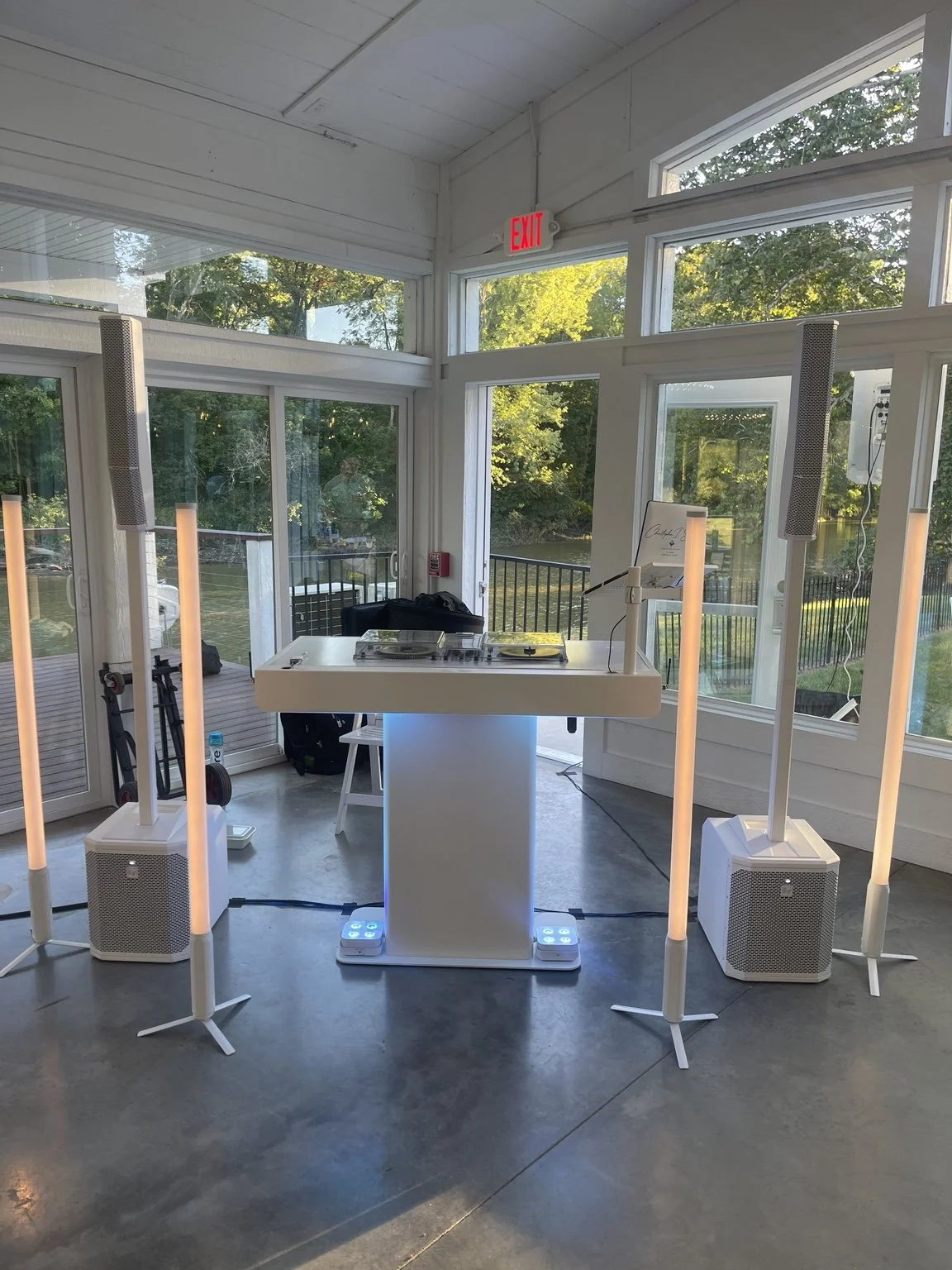
Wedding music should support the activity happening in the room. Dinner needs a different atmosphere from open dancing, and a guest seated beside a speaker may experience the sound differently from someone across the reception space. If you are worried the music will be too loud, the most useful conversation begins with the layout, schedule, and your preferences.
For a Columbus wedding, work with your DJ, planner, and venue on a practical sound plan. You can aim for a lively dance floor while still consider conversation and comfortable seating. Here is what to discuss before the tables and speakers are finalized.
Describe the experience you want at each part of the day
Tell the DJ how you want guests to use the space during cocktails, dinner, speeches, and dancing. You may want background music that supports conversation early and a more energetic focus on the dance floor later. Make those priorities explicit.
A request to keep the music comfortable is useful, but examples help. Explain whether conversation at dinner is especially important, whether guests will remain seated near the dance floor, and how you want the room to feel when dancing opens. The performer can then connect sound decisions to the event rather than treating one volume setting as appropriate for every moment from guest arrival to the final song.
Review speaker placement with the floor plan
Share the seating chart and room layout with the DJ before setup. Identify tables, the dance floor, the couple’s seating, doors, service routes, and any area intended for conversation. Ask where the sound system will be positioned and how the placement relates to guests.
A late table move can affect the sound experience, especially if seating ends up close to equipment. Keep the planner and DJ informed when the layout changes. You do not need to design the system yourself. You need the people responsible to review the same current plan and explain how the proposed arrangement supports the room. Sound and seating should be considered together rather than finalized independently.
Keep dinner music connected to conversation
Discuss the musical style and level you want while guests eat and talk. The room may become louder as conversation grows, but that does not automatically mean the music needs to compete. Tell the DJ which atmosphere you prefer and who can communicate a concern.
Your planner can coordinate the transition into speeches or formal moments so the background music changes at the right time. Guests should not have to guess whether an announcement is beginning while another activity continues. A clear dinner plan includes the sound of music, the timing of microphones, and the room’s actual use. That preparation can make the reception feel more considered without requiring the couple to monitor controls during the meal.
Plan speech clarity separately from dance music
A microphone announcement needs understandable words throughout the relevant seating area. The volume and placement choices for that task are different from simply turning up a dance set. Tell the provider where speakers will stand and how guests are arranged.
Ask for a practical microphone check and brief guidance for the people speaking. A speaker who turns away or changes microphone position may create inconsistent audio that cannot be solved thoughtfully by a general request for everything to be louder. The DJ should be responsible for the system, while the planner coordinates readiness and the speech order. Clear roles help the room hear the moment without making the speaker manage the equipment.
Consider areas for different guest preferences
Some guests will dance, while others prefer to watch or talk nearby. Ask the venue and planner what the layout can accommodate. A conversation area may be useful when it fits the space and does not separate guests from the celebration more than you want.
You do not need to redesign the wedding around one assumption about age or musical taste. Use the actual needs and preferences you know. Tell the DJ if particular seating arrangements require attention and discuss practical options. The aim is a welcoming environment with different ways to participate, rather than expecting every guest to want the same sound experience at every point in the evening.
Understand the room’s practical limits
Room shape, reflective surfaces, open areas, and the location of the dance floor influence how sound is experienced. Ask the DJ to explain the proposed coverage in ordinary language and identify any venue requirements that affect the setup. A previous event’s layout may not match your wedding.
If the venue has sound restrictions, obtain the actual rules and share them with the provider. Confirm who monitors compliance and how changes are handled. Do not assume the DJ knows a restriction that has only been discussed with the venue sales contact. A clear, shared understanding allows the performer to plan suitable coverage within the event’s real conditions.
Name a point person for adjustments
Decide who should communicate a sound concern during the reception. The couple may prefer a planner or designated contact to handle routine questions so they can enjoy the event. Tell the DJ who that person is and what authority they have.
A useful request identifies the situation: music is making conversation difficult at a particular table, or speech audio is unclear in a specific area. That gives the provider more information than a general complaint passed through several people. The DJ can evaluate the concern and make appropriate adjustments within the plan. Guests should not need to reach for equipment controls or give competing instructions from different parts of the room.

Revisit the plan when the schedule changes
If dinner runs late, speeches move, or the venue shifts activities to another room, the sound plan may need adjustment. Keep the DJ informed through the agreed cue process. A change in activity should be matched by a deliberate transition in music and announcements.
For outdoor receptions or spaces with an indoor alternative, discuss both configurations before the wedding. The new location may place guests and speakers differently. Your planner and DJ can then adapt using a known plan instead of treating the move as a simple change of address. Comfort and clarity depend on the actual arrangement, not just the same equipment being present somewhere on the property.
A hypothetical Columbus floor-plan review
Imagine a couple whose seating plan places a guest table directly beside the intended speaker position. During final planning, the DJ and planner review the layout and discuss another suitable arrangement. They also confirm a quieter dinner atmosphere and a point person for sound concerns.
When dancing begins, the provider adjusts the approach for that activity while remaining aware of nearby seating and venue requirements. This hypothetical example shows why advance coordination can be more useful than waiting for discomfort and treating every concern as a request to change one master volume setting.
Comfortable sound planning checklist
- Desired atmosphere for cocktails, dinner, speeches, and dancing.
- Current floor plan with tables and dance-floor location.
- Proposed speaker placement and nearby seating considerations.
- Speech positions, microphone checks, and speaker guidance.
- Any practical conversation area the venue can support.
- Confirmed venue sound rules and monitoring responsibility.
- A named point person for clear, specific adjustment requests.
- Plans for room changes or an indoor alternative.
Keep the final decisions available to the planner and DJ so everyone works from the same event layout and expectations.
Common wedding volume questions
Does louder music create a better dance floor?
Volume alone does not determine participation. Music choices, pacing, timing, layout, and guest preferences all matter. Discuss the experience you want rather than treating increased volume as the only response.
Should we seat certain guests far from every speaker?
Review the actual layout and preferences with your planner and DJ. Avoid making assumptions based solely on age; consider what the people attending have told you and what the room allows.
Can guests ask the DJ for an adjustment?
Agree on a practical process. A designated contact can help communicate specific concerns and reduce conflicting instructions while the provider evaluates the sound.
Plan sound around your Columbus reception
I’m Christopher “DJ iShine” Summers, personally handling planning, live mixing, and MC duties for Columbus and Central Ohio weddings. Read volume and speaker placement advice, explore wedding coverage, and share your date and venue. Tell me how you want guests to enjoy the room so we can discuss suitable sound coverage.