
One Wedding, Three Spaces: Ceremony, Cocktail, and Reception Sound in Columbus
By Christopher “DJ iShine” Summers · iShine Music Production
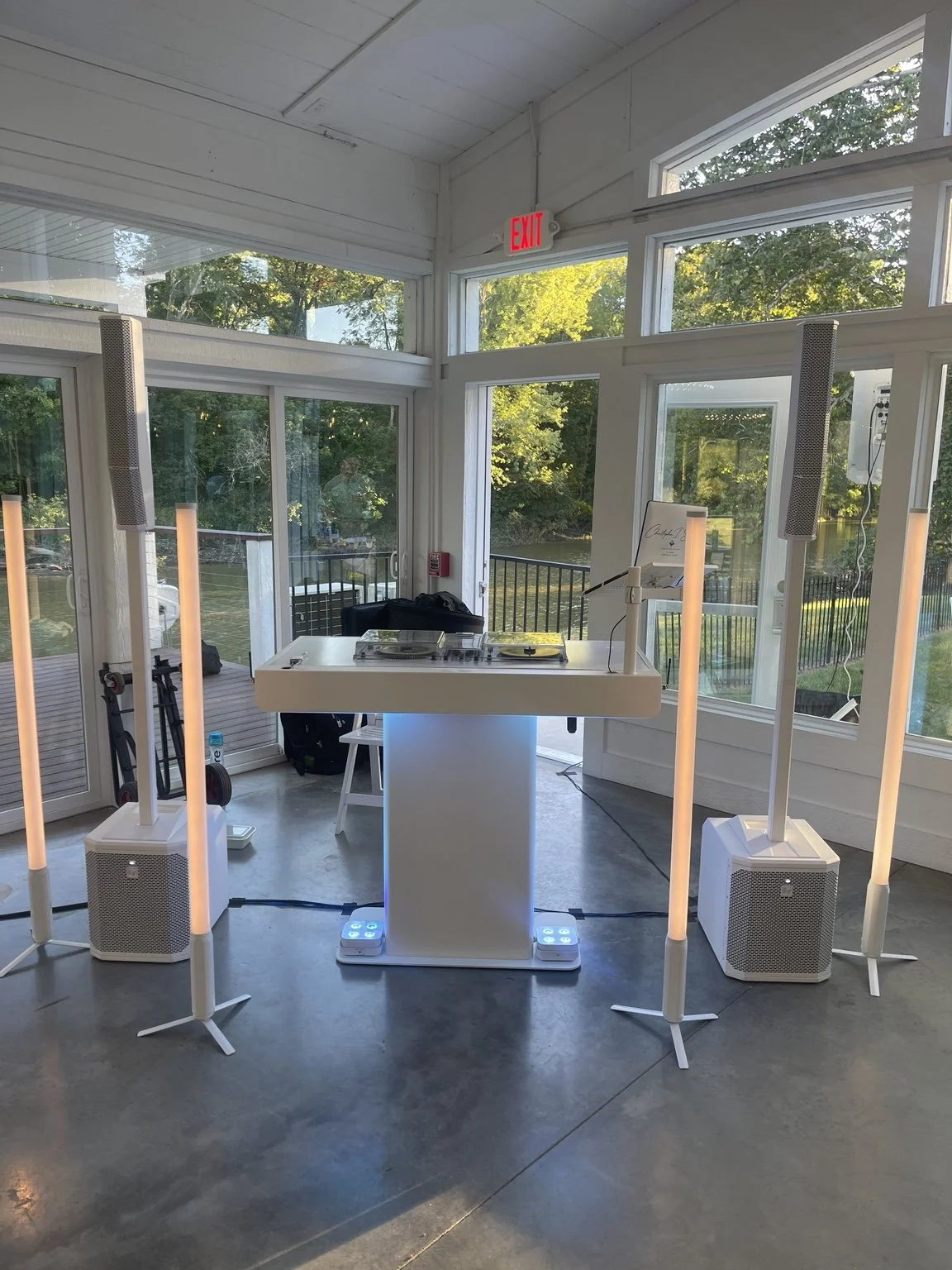
A wedding can feel like one continuous celebration to guests while require several separate sound plans behind the scenes. The ceremony may be outside, cocktails may happen in a lounge, and dinner and dancing may take place in a ballroom. Each space needs the right music, microphones, timing, and responsibility.
For Columbus couples and planners, start with the guest journey and build the audio plan around it. The number of speakers alone does not explain whether the transitions will work. This guide shows how to coordinate ceremony, cocktail-hour, and reception sound as one practical event plan.
Map where guests are at each stage
List the locations and the times guests use them. Include preceremony seating, the ceremony, cocktails, the reception room opening, dinner, and dancing. Note when two areas are active at once, such as cocktail music continuing while the reception room is being prepared.
Share the venue layout, distances, walls, floors, and the actual route between spaces. A nearby area may still need separate coverage if the building blocks sound or the events overlap. Your DJ can explain what configuration suits the layout. The goal is to identify where guests need audio and when, instead of assuming one system can serve every location because the property is booked as a single venue.
Give each space a clear service brief
For the ceremony, identify music cues, officiant audio, vows, readings, and the guest seating period. For cocktails, describe the desired background atmosphere and any announcements. For the reception, list DJ performance, MC duties, speeches, special dances, and open dancing.
These details help the provider understand the job in each area. A space needing only prepared background music differs from one requiring several live microphones and precise cues. If another provider handles part of the day, record that arrangement. The complete wedding plan should make responsibilities clear without requiring every component to come from the same person or assuming a service exists because the venue has equipment somewhere on site.
Look for overlapping responsibilities
A DJ finishing ceremony audio may also need cocktail music running and the reception system ready. Ask how those responsibilities are handled in the proposed configuration. Separate setups may support a smoother transition when activities follow closely or overlap.
If equipment will move, discuss the time, route, and guest activity during that move. A plan that works in an empty room may become impractical when guests are walking through the same space. The provider and planner can assess the actual sequence together. The important question is whether every agreed service remains covered during transitions, not whether the equipment inventory appears large or small on paper.
Confirm power and equipment access at every location
Ask the venue about suitable power and access for each space. A reception ballroom’s outlets do not answer the question of how sound operates at a remote ceremony site. If battery-powered equipment is proposed, discuss what it covers and the expected service window.
Tell the DJ about stairs, elevators, long walking routes, loading restrictions, and when rooms become available. These details can affect setup timing and the feasibility of moving equipment. You do not need to design the electrical arrangement yourself. Give the relevant professionals accurate information and let them confirm a suitable plan that respects venue requirements and keeps guest routes clear.
Coordinate microphone use and handoffs
List who speaks in each location and where they stand. The ceremony may involve the officiant, the couple, and readers, while reception speeches happen in another area. Confirm that microphones and operation are planned for both rather than assuming one device will be available wherever it is needed.
If a microphone or other component moves between locations, identify who handles the transfer and whether the schedule allows it. Speakers should receive simple instructions before their moment. The videographer may also need a separate discussion about recording audio in each space. A clear location-by-location plan prevents the microphone arrangement from becoming an improvised task assigned to whichever guest happens to be nearby.
Build transition cues into the timeline
The planner and DJ should agree on when ceremony music ends, cocktail music begins, reception doors open, and guests receive directions. Identify who confirms the next space is ready before an announcement is made. The music plan should support the event’s actual movement.
For example, cocktail music may need to continue while the venue finishes preparing the reception room. The DJ should know that change before inviting guests inside. Clear cues allow suitable music to maintain the atmosphere while the team coordinates. Guests do not need a public explanation of every delay; they need a welcoming experience and accurate directions when it is time to move.
Include the weather alternative in the same map
If any portion is outdoors, identify the approved indoor location and how the audio changes. The alternative may have a different aisle, room size, power arrangement, or route to the reception. Share those details before the wedding instead of treating the backup room as an unnamed possibility.
Confirm who makes the location decision and when the DJ needs to know. A change may require equipment repositioning before guests enter. The planner, venue, and sound provider should understand the process and the relevant limits. This makes the alternative a usable event plan with music and microphones rather than simply a location written at the bottom of a timeline.
Match the package to the configuration
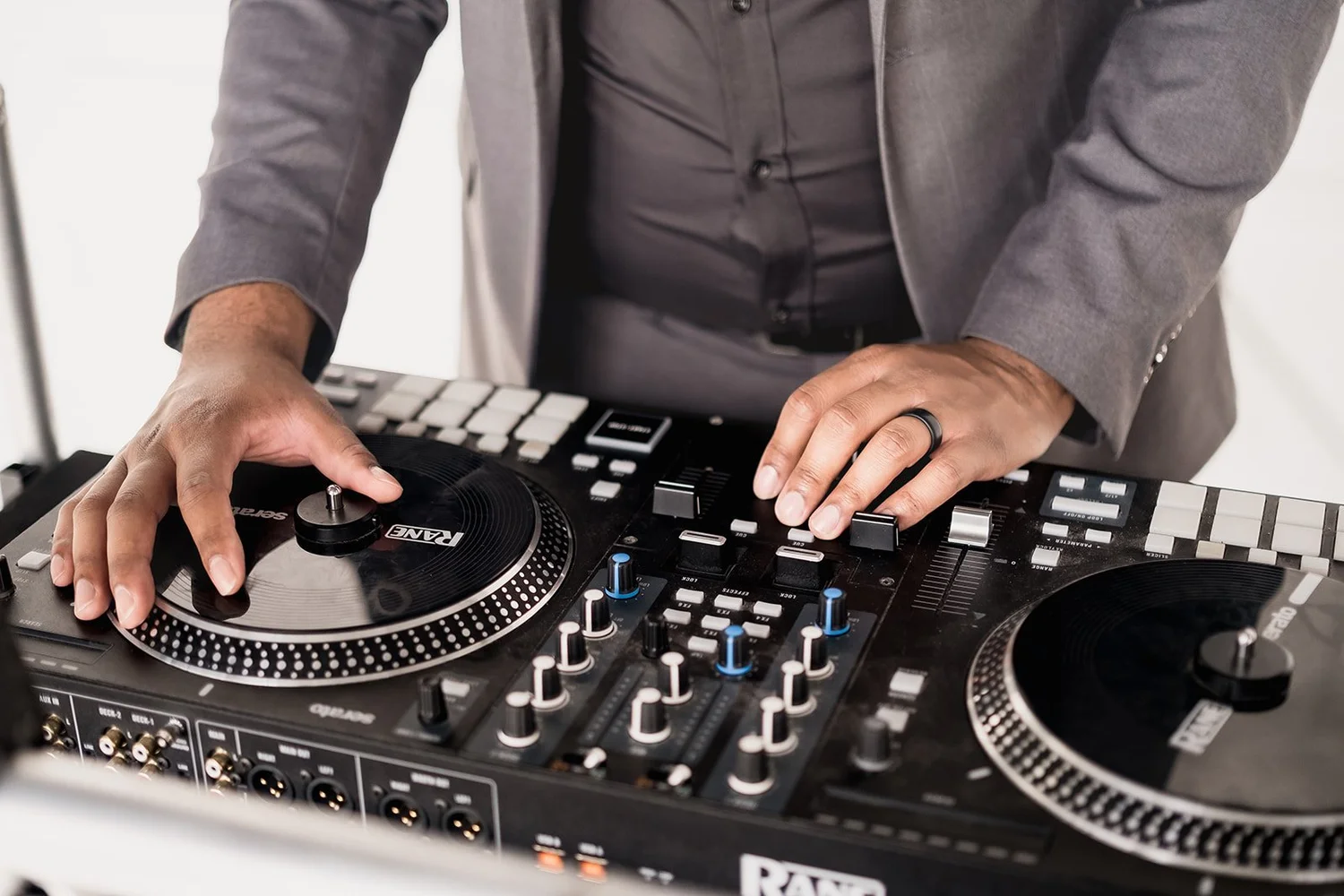
At iShine Music Production, Classic currently focuses on reception DJ and MC coverage with planning and coordination. Elevated adds a choice of room uplighting or one additional sound setup for the ceremony or cocktail hour. Signature includes room uplighting and up to two additional sound setups when needed.
Review the current investment page and discuss your actual locations, hours, and microphone needs. The proposal should confirm the total and complete scope. A package name does not replace the location map or establish an unspoken service window. The most useful option is the one that covers the wedding you have planned and clearly identifies any remaining requirement.
A hypothetical three-space Columbus wedding
Imagine seating music outside at 4:00, a ceremony at 4:30, cocktails in a separate lounge at 5:00, and a ballroom reception afterward. The couple wants the officiant and vows amplified, relaxed cocktail music, and DJ and MC coverage through the final song.
The DJ and planner review which systems are ready before guests arrive, whether any equipment moves, and who cues the transitions. They also confirm the indoor ceremony alternative. This hypothetical example shows why the audio conversation should include timing and responsibility alongside location. Three spaces do not automatically require one particular equipment arrangement, but they do require a clear explanation of how all agreed services will happen.
A location-by-location worksheet
For each area, record the following information in one shared planning document.
- Location name and the time guests begin using it.
- Music, microphones, and announcements required there.
- Provider responsible for operation.
- Power and equipment access information.
- Soundcheck deadline and guest arrival timing.
- Any equipment move and the person handling it.
- Cue person for starting or ending the activity.
- Approved alternative location and decision process.
Share the final version with the DJ, planner, venue, and relevant photo or video professionals.
Common multiple-space sound questions
Can one system cover the whole wedding?
Sometimes a configuration can serve more than one area, but the layout, timing, and requirements determine what is suitable. Ask the provider to explain the actual plan.
Does booking more hours include more locations?
Not automatically. Duration and sound configuration are separate details. Confirm both the required time window and the areas covered in the proposal.
Should we use venue equipment where available?
Discuss suitability, operation, access, and responsibility with the venue and DJ. Equipment being present does not by itself establish who prepares or controls it during the event.
Coordinate the full day with DJ iShine
I’m Christopher “DJ iShine” Summers, personally handling planning, live mixing, and MC hosting for Columbus and Central Ohio weddings. Read multiple sound setup advice, explore what to expect, and share your date and venue. Tell me where each part of the day happens so we can discuss a connected sound plan.