
Can Your Wedding DJ Shorten Your First Dance Song? Columbus Planning Advice
By Christopher “DJ iShine” Summers · iShine Music Production
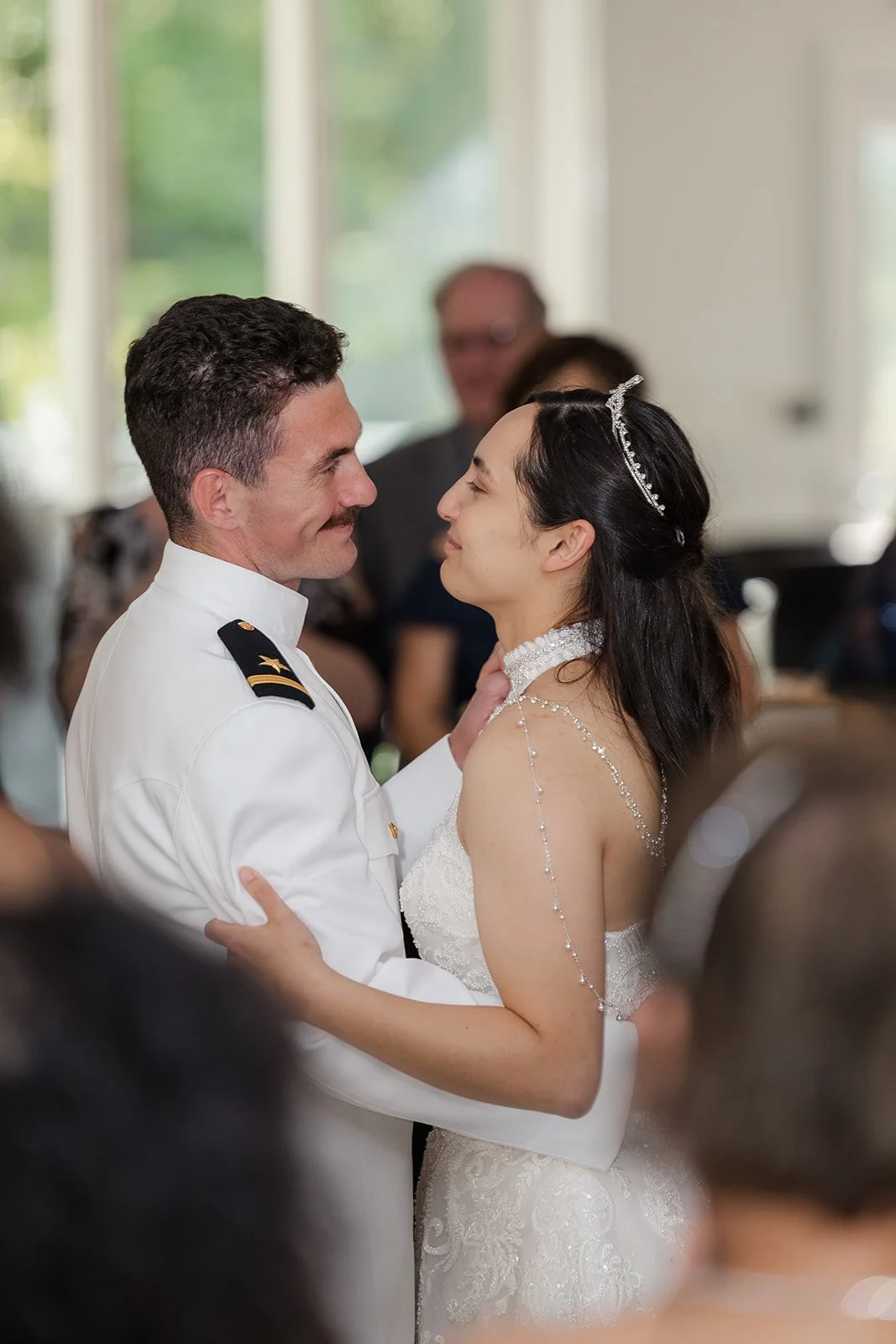
You love your first dance song, but the full recording feels longer than the moment you want on the floor. A shorter version may help you feel comfortable, fit a planned routine, or create the ending you imagine. The important step is to discuss the actual recording and approve a clear plan with your wedding DJ before the reception.
For Columbus couples, shortening the first dance is a practical music-planning conversation. You can keep the meaning of the song while deciding which section and length fit your celebration. Here is how to approach edits, fades, practice, and vendor cues without leaving the ending to chance.
Start with the reason you want a shorter dance
You may feel uncomfortable with a long spotlight moment, want a simple routine, or prefer to invite guests onto the floor sooner. Explain that goal to the DJ. The reason helps guide the solution and may reveal options beyond cutting the recording at an arbitrary point.
Talk with your partner about what feels comfortable for both of you. If you are working with an instructor, include them in decisions that affect the music. The right length is the one that supports your chosen moment. You do not need to follow another couple’s timing or assume there is a universal duration that makes every wedding first dance successful.
Confirm the exact recording first
Identify the title, artist, and version you want to use. Live, acoustic, studio, and other recordings can differ in structure and length. An edit made from one version may not match the audio you have been using to practice.
Provide a useful reference and ask how the DJ verifies the recording. If someone has already created a file, explain what it is and whether it has been approved. Avoid sending several similar versions without identifying which one is current. The edit discussion is easier when everyone starts from the same audio and understands what parts of that recording matter to the couple.
Identify the musical sections you want to keep
Listen together and choose the moments that feel important. You might want the introduction, a first verse, a familiar chorus, or another meaningful section. Explain which parts you are comfortable omitting and whether a particular ending matters.
You do not need to use technical editing language. Describe the musical moment and provide a time reference when it helps. The DJ can explain what is practical for the recording and what services are available. A shorter dance should still feel like the song you chose, so review the proposed structure rather than judging only the final running time.
Compare a planned fade with a prepared edit
A fade ends the music at an agreed point, while a prepared edit may rearrange sections to create a shorter recording with its own structure. The approaches can feel different. Ask the DJ which is suitable for your song, timeline, and expectations.
Confirm whether editing is included in the proposed service or requires a separate arrangement. Do not assume every provider offers the same options or preparation time. If a fade is chosen, agree on the cue and how the next moment begins. If an edit is created, listen to the complete result before treating it as final. The goal is an ending that feels intentional to you.
Review the complete beginning and ending
Listen through the approved version from the first second to the last. Notice whether the introduction gives you enough time to settle and whether the ending matches the movement or feeling you want. A file can have the desired length while still contain an unexpected transition.
Discuss any concern before the wedding. If the audio is revised, identify the new approved version and stop using the earlier one for practice. Keep the file name and planning notes clear. The DJ should know which recording to prepare, and the couple should recognize what they will hear. Consistency is particularly important when a routine depends on specific musical cues.
Practice with the final approved audio
Once the version is confirmed, use it for any timing practice. If an instructor is involved, ensure they have the same approved recording. A routine prepared to a different introduction or ending may feel awkward even when the song title is correct.
You do not need choreography to benefit from familiarity. Listening together can help you know when the dance will end and what happens afterward. If you plan to invite guests in, practice the cue or movement associated with that transition. The aim is comfort and confidence, not a requirement to turn the first dance into a complicated performance.
Decide what happens immediately afterward
The first dance may end with applause, lead into a parent dance, transition to open dancing, or include an invitation for guests to join. Tell the DJ and planner which sequence you want. The MC’s wording should match the approved plan.
If guests enter during the song, identify the cue and whether music continues in the same recording or moves to another selection. If you prefer the moment to remain just the two of you, make that clear as well. A shorter recording works best when its ending connects naturally to the next activity instead of leaving the couple standing while the event team decides what to do.
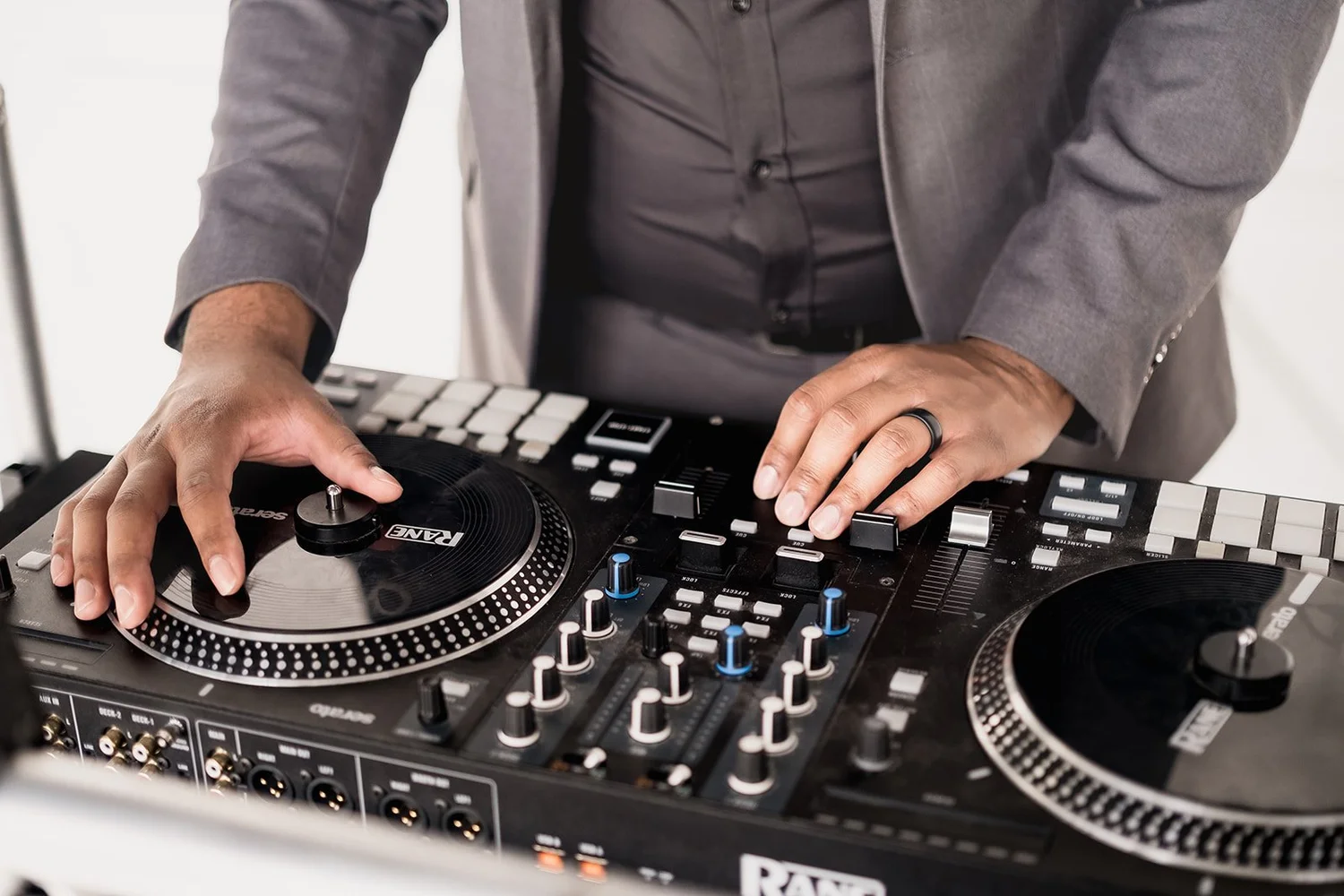
Coordinate with the photo and video team
Share the timing and any unusual sequence with the professionals capturing the moment. They should know whether the dance is brief, whether guests join, and when the planned ending occurs. Your planner can include those cues in the shared timeline.
The DJ should confirm readiness before announcing the dance. Correct audio and a smooth edit do not replace vendor coordination. If the first dance follows the entrance directly, make sure the team understands that transition. The goal is one prepared moment in which the couple, sound provider, planner, and photo team know the same sequence and can focus on their roles.
A hypothetical Columbus first dance edit
Imagine a couple whose chosen recording runs nearly four minutes. They want a shorter moment that keeps the opening and a favorite chorus, followed by a natural ending. They ask the DJ about suitable options and confirm what preparation is included.
After reviewing a proposed shorter version, they approve the audio and use it consistently for practice. The planner notes the duration and next activity, and the photo team receives the relevant cue. This hypothetical example shows how the edit becomes part of the event plan rather than simply a request to stop the music whenever the couple looks ready.
First dance shortening checklist
- Reason for shortening the moment and preferred overall feel.
- Exact recording, version, and reference.
- Sections you want kept and any section you want omitted.
- Agreed fade, edit, or other available option.
- Complete review of the approved beginning, transition, and ending.
- One final file used for practice and playback preparation.
- Next activity and any invitation for guests to join.
- Updated cues for the planner, photographer, and videographer.
Confirm any revision directly with the DJ before relying on it in the wedding schedule.
Common first dance edit questions
Can any song be shortened smoothly?
The available options depend on the recording and the result you want. Ask the DJ to evaluate the actual audio and explain what is practical rather than assuming one editing method suits every selection.
Do we need to choose a standard length?
No. Discuss your comfort, the musical structure, and the event sequence. A useful length supports the moment you want rather than follow a rule copied from another wedding.
Can the DJ just fade it when we feel finished?
Agree on a reliable cue beforehand if that is the plan. An improvised guess may not produce the ending you expect, especially when the DJ is also coordinating other event details.
Should we tell the photographer the dance is shorter?
Yes. Share the relevant timing and any guest invitation so the photo and video team can prepare for the actual sequence.
Prepare a comfortable first dance with DJ iShine
I’m Christopher “DJ iShine” Summers, personally handling planning, live mixing, and MC duties for Columbus and Central Ohio weddings. Read song version planning advice, explore what to expect, and share your date and venue. Tell me about the recording and the moment you want so we can discuss the right preparation.