
Do You Need Microphones for an Outdoor Wedding Ceremony in Columbus?
By Christopher “DJ iShine” Summers · iShine Music Production
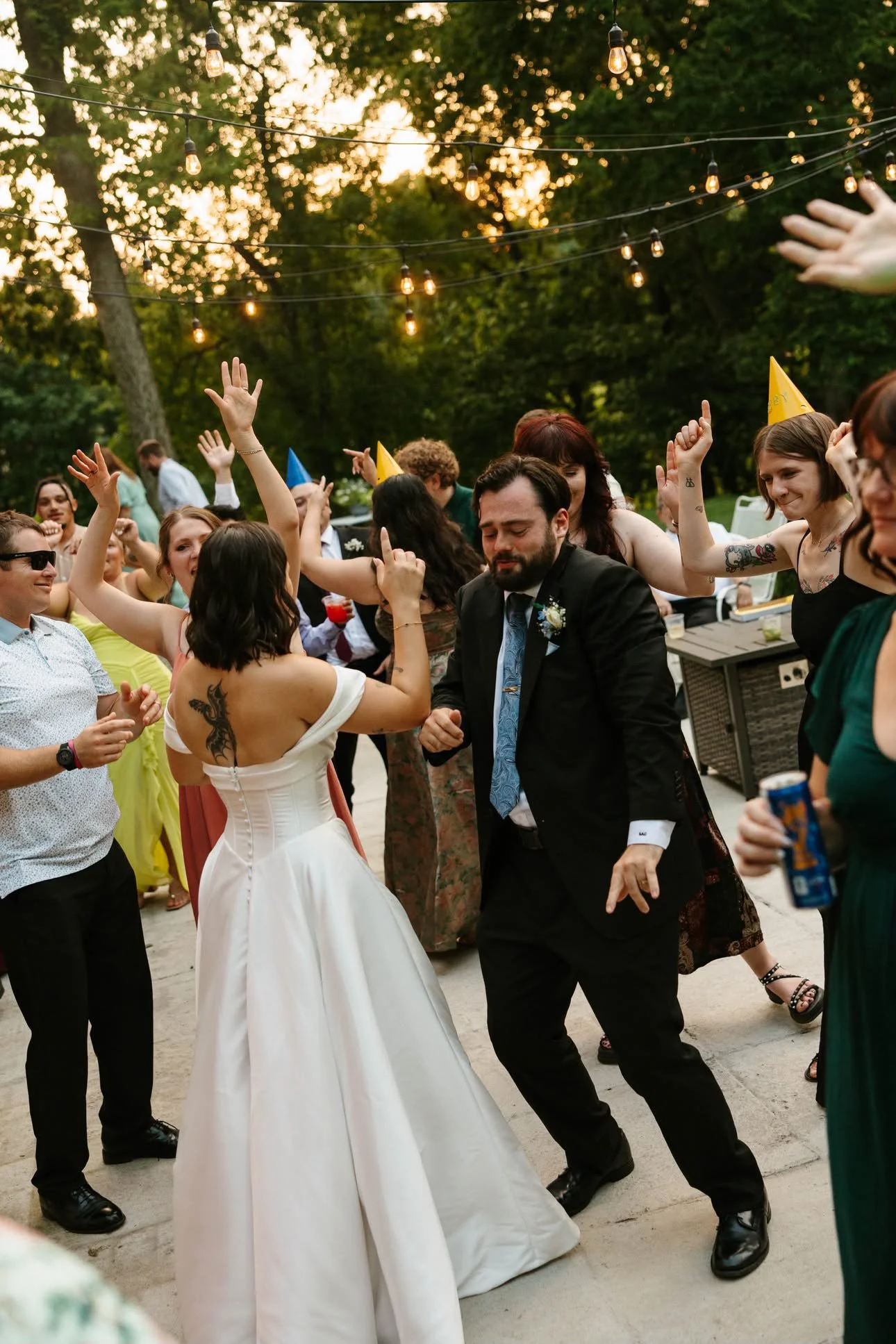
An outdoor wedding ceremony can look intimate while still make it difficult for guests to hear the words. Distance, wind, surrounding activity, and the way people face each other all affect what reaches the seating area. The question is not simply whether the officiant can speak loudly. It is how the guests will hear the officiant, vows, readings, and music in the actual ceremony space.
For Columbus and Central Ohio weddings, discuss ceremony microphones before the final timeline is set. A practical sound plan should account for the location, participants, equipment, and approved indoor alternative. Here is what couples and planners should review with the audio provider.
Start with the words guests need to hear
List everyone who speaks or performs. That may include the officiant, the couple, readers, and musicians. Identify where each person stands and whether they move during the ceremony. A microphone plan for one stationary speaker may not cover every other voice automatically.
Tell the provider how the vows will be delivered and whether a handheld microphone is acceptable for the couple or readers. Discuss hands-free options where appropriate. You do not need to choose a model yourself. You need to explain the ceremony so the professional can recommend an arrangement that suits the people, clothing, positions, and guest coverage rather than applying the same setup to every wedding.
Evaluate the actual outdoor space
Share the ceremony layout, expected attendance, seating depth, nearby activity, and the route participants use to enter. Tell the DJ if the location is far from the reception or if access involves stairs, uneven ground, or a long walk. Those details affect preparation and equipment planning.
A small group is not automatically easy to hear in every outdoor setting, and a larger group does not tell the whole story without the layout. Ask how sound will reach the seating area and where speakers can be positioned. The venue and planner can help identify suitable locations that respect guest movement and the visual plan while giving the audio provider the information needed to prepare.
Distinguish microphones from the complete sound system
A microphone needs an appropriate path to the sound system guests hear. Confirm who supplies and operates the microphones, receivers, speakers, and any other required components. If the venue provides equipment, ask who checks it and whether the arrangement covers your actual ceremony location.
Avoid treating the phrase wireless microphone as a complete service description. You still need to know who is responsible for operation, soundcheck, battery preparation, and adjustments during the ceremony. A clear scope helps prevent the couple, DJ, and venue from assuming another person is handling an essential part of the audio. The result should be a coordinated service, whether one provider or several approved parties contribute to it.
Discuss placement and real-world movement
Microphone placement affects the sound that is captured. Clothing movement, head turns, and the distance between the speaker and microphone can matter. Shure’s presentation microphone guidance recommends checking wireless audio where the presenter will actually be and listening for unwanted movement or clothing noise.
Apply that principle through a practical soundcheck with your provider. The officiant should understand the arrangement, and readers should know where to stand. If the couple uses a shared microphone for vows, agree on how it is handled. Small instructions before guests arrive can be more useful than trying to solve an unfamiliar microphone process during the ceremony itself.
Plan for wind and outdoor conditions
Tell the audio provider that the ceremony is outdoors and ask how the proposed microphones and placement account for expected conditions. Wind can affect microphone performance, and the equipment plan should be evaluated for the actual location. The provider can explain suitable preparation and any limitations.
Your weather plan should also address the event location, not only the equipment. A covered setup or weather-resistant component does not by itself establish that an outdoor ceremony is appropriate in every condition. Coordinate the approved alternative and decision process with the venue and planner. Clear preparation lets the sound plan support a location change without the couple managing equipment decisions as guests arrive.
Confirm music and microphone cues together
The DJ may provide seating music, processional selections, and the recessional as well as spoken audio. Identify the exact recordings and the people responsible for cueing each moment. The officiant should know when music ends and speaking begins.
If a reader or musician needs a microphone at a particular time, include that handoff in the ceremony sequence. A microphone being available somewhere on site does not guarantee it will be ready in the right position. The planner, officiant, and audio provider should share a simple understanding of who moves, who speaks, and who gives the cue. That coordination helps the ceremony feel natural while keeping the sound responsibilities clear.
Include power, access, and setup timing
Ask whether suitable power is available at the ceremony location and how the proposed system will be operated. If battery-powered equipment is part of the plan, discuss the expected service window and preparation. Do not assume that a battery device automatically covers every microphone, speaker, and playback requirement.
Confirm when the venue allows access and when the system must be ready. Seating music may begin before the printed ceremony time, and soundchecks should be planned accordingly. Share any equipment route or access restriction early. The provider can then determine whether the location needs a separate setup and whether the proposed coverage fits the full ceremony schedule.
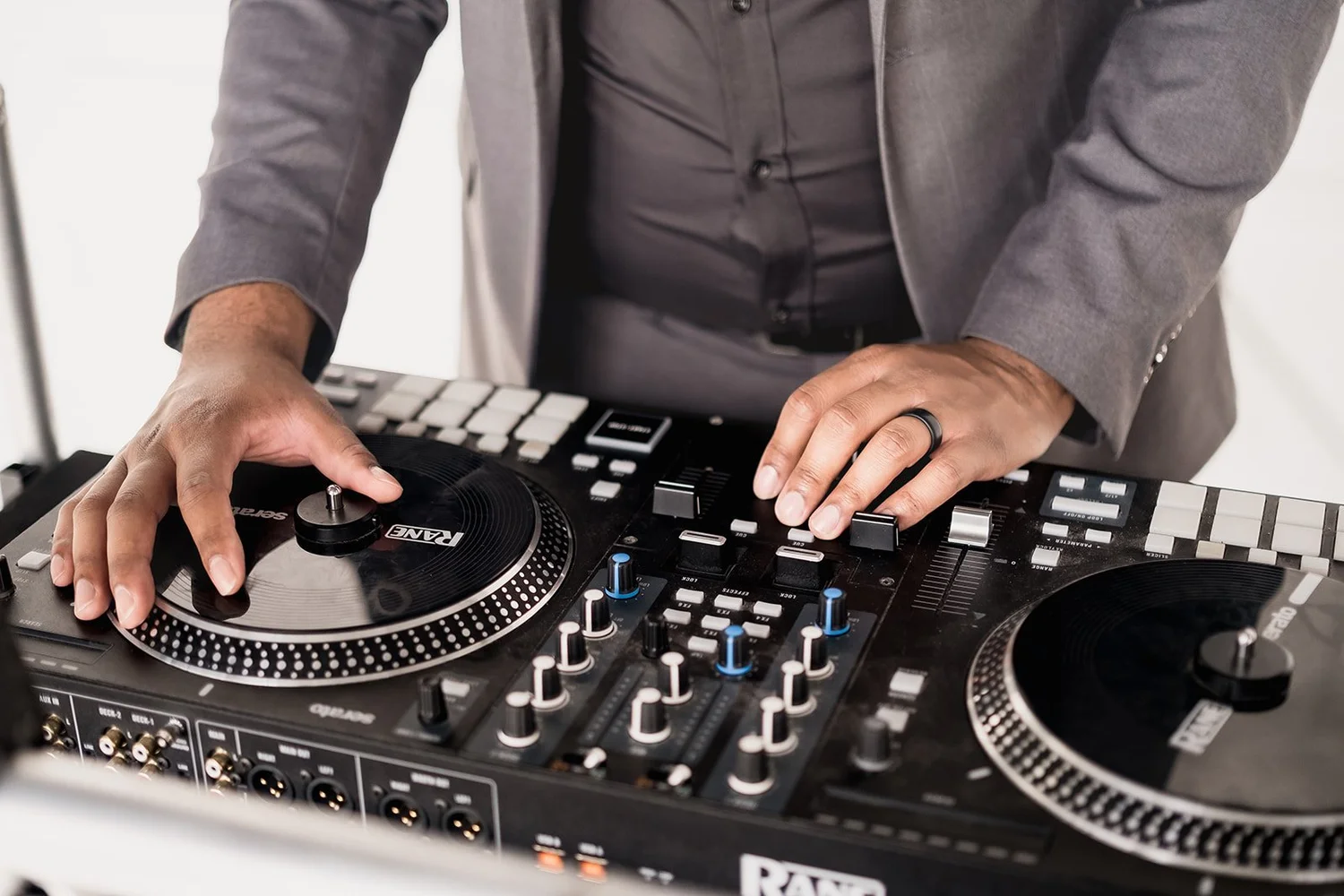
Review the indoor alternative as a real sound location
Your backup room may have a different size, aisle, ceiling, seating arrangement, or existing audio system. Give the provider the relevant information before the wedding. Ask how the microphone and speaker plan changes if the ceremony moves.
Decide who makes the location decision and when the audio provider needs to know. The goal is enough time to prepare the approved arrangement before guests enter. A named indoor space is only part of a useful backup plan. It should also have an agreed route for communication, equipment access, guest directions, and the cues that connect the music with the ceremony.
A hypothetical Columbus-area ceremony example
Imagine an outdoor ceremony with the officiant at the front, personal vows delivered quietly, and a reader standing to one side. The couple shares the sequence and layout with the DJ, who discusses microphone options and speaker coverage. The planner confirms where the reader stands and who cues the processional.
Before guests arrive, the provider checks the arrangement in the actual positions and reviews the indoor alternative. This hypothetical example shows why ceremony audio needs more information than the guest count alone. The goal is to prepare for the voices and locations the wedding will actually use.
Outdoor ceremony audio checklist
- All speakers, readers, musicians, and their planned positions.
- Officiant and vow microphone arrangements.
- Guest seating layout and intended speaker coverage.
- Exact ceremony recordings and named cue people.
- Outdoor conditions and suitable equipment preparation.
- Power, equipment access, and soundcheck timing.
- Approved indoor alternative and location decision process.
- A clear provider responsible for operating the sound.
Share the final answers with the planner and officiant so the ceremony sequence and audio plan remain aligned.
Common outdoor microphone questions
Do small ceremonies need microphones?
Evaluate the actual space, voices, seating, and surrounding sound. A small guest count alone does not establish that every guest will hear comfortably without amplification.
Will the officiant’s microphone also capture our vows?
Ask the provider to evaluate the actual positions and arrangement. Do not assume one microphone will capture every voice equally without a specific plan and check.
Can ceremony sound be included with DJ coverage?
Ask how your provider’s packages handle the location, microphones, hours, and operation. Confirm the complete scope rather than assuming ceremony music includes every audio responsibility.
Plan clear ceremony sound with DJ iShine
I’m Christopher “DJ iShine” Summers, personally handling planning, live mixing, and MC duties for Columbus and Central Ohio weddings. Explore ceremony and toast sound planning, review wedding coverage, and share your date and venue. Tell me how the ceremony is arranged so we can discuss the sound it needs.