
Wedding DJ Setup Time and Venue Access: A Columbus Planner’s Guide
By Christopher “DJ iShine” Summers · iShine Music Production
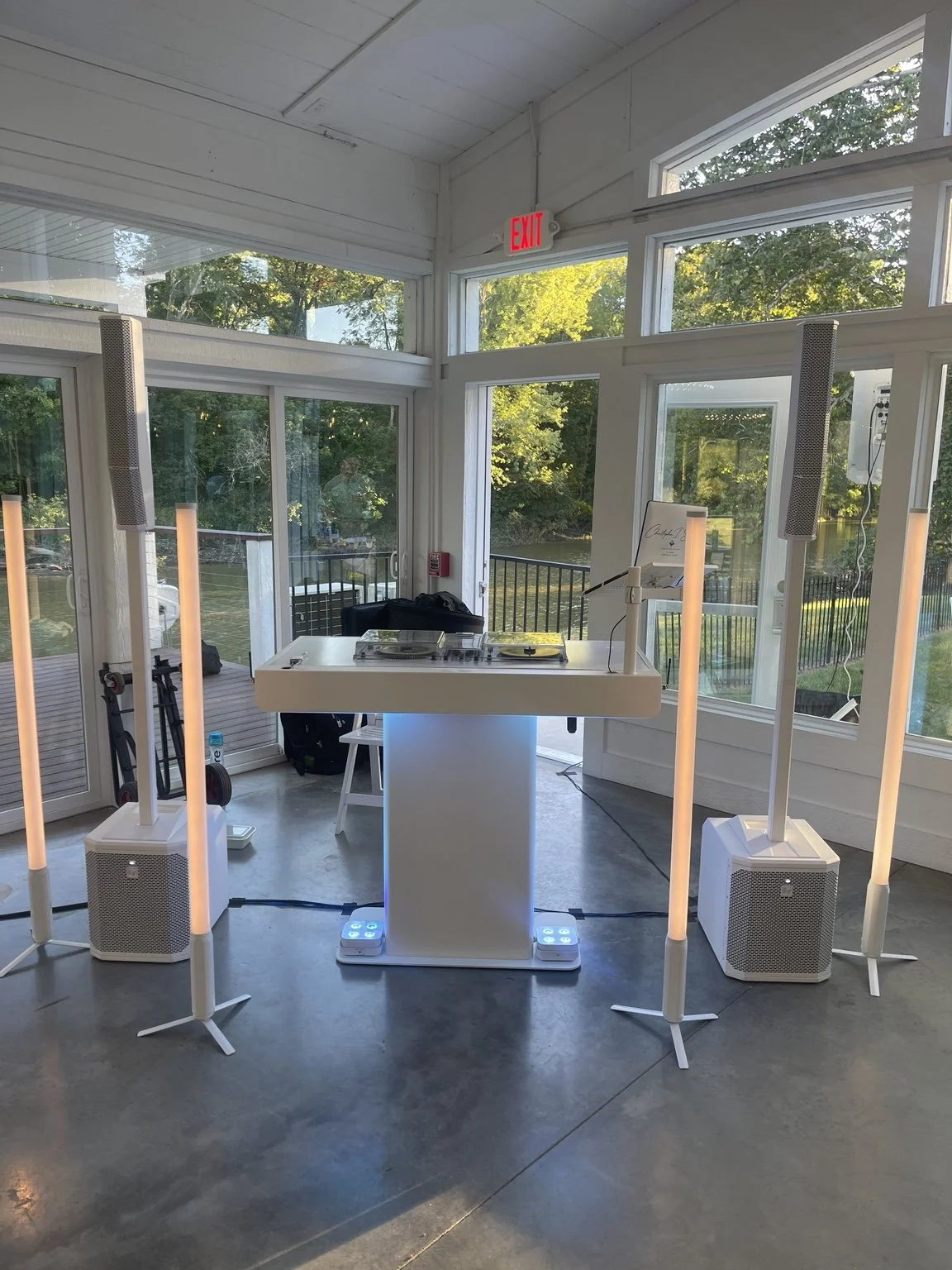
Your ceremony begins at four, but when can the DJ actually enter the venue? That question can affect the entire production plan. Equipment has to move from a vehicle into the correct spaces, be assembled, and be checked before guests depend on it. A scheduled performance start does not describe the time needed to prepare.
For Columbus wedding planners and couples, confirming DJ setup time and venue access early helps avoid rushed soundchecks and surprise logistics. The useful details include the access route, room readiness, approved setup location, power arrangements, and the time each system needs to be operational.
Ask the DJ for an event-specific access request
Setup needs vary with the agreed services and the venue. A reception-only system in an accessible room is different from ceremony audio outside, cocktail music upstairs, and a separate reception setup. Lighting can add another layer of preparation.
Ask your DJ what access window the actual plan requires. Avoid using a generic online estimate as a promise about your event. The performer should account for equipment, movement, testing, and any venue restrictions that affect the work.
Our guide to ceremony, cocktail, and reception sound can help identify locations that need to be included in that conversation. A complete scope makes the access request more useful.
Distinguish building access from room readiness
Being allowed into the building does not always mean the DJ can start setting up. The assigned area may still contain tables, decor, or equipment from another event. A ballroom might be accessible while the ceremony space is not.
Confirm when each location will be clear and ready for vendors. If a room flip is part of the plan, ask who completes it and when the DJ can safely begin work. A setup window should reflect usable access, not just an unlocked front door.
Also share whether guests will be present during setup. Moving cases through cocktail hour requires a different plan from working in an empty room before guest arrival.
Describe the actual load-in route
Give the DJ practical information about where to park, which door to use, and how far equipment must travel. Mention stairs, elevators, narrow paths, gravel, grass, and any protected surfaces. Photos or a venue walkthrough can help clarify details that a diagram misses.
For a downtown Columbus venue, the loading arrangement may differ from a property outside the city with a long driveway or an outdoor ceremony area. Neither setting is automatically easier. The important point is the route the vendor is permitted to use.
If a loading space must be reserved, identify who handles that arrangement. A route that depends on moving a guest’s car at the last minute is not a reliable plan.
Confirm access restrictions and shared resources
Some properties control elevator use, loading doors, security check-in, or access to particular rooms. Ask the venue for the actual requirements and give them to the DJ before the event. Do not assume a vendor can use a service corridor simply because it appears on a floor plan.
If several vendors need the same elevator or loading area, coordinate the schedule. Caterers, rental teams, florists, and entertainment equipment may all compete for that space. A short conversation can prevent a long queue that reduces everyone’s preparation time.
Include a venue contact who can resolve an access problem on the day. A written instruction is helpful, but someone also needs authority to open the right door.
Finalize the setup footprint before arrival
Ask the DJ for the working area needed for the planned system. Then confirm that location on the final floor plan. Include space for the booth, speakers, lighting, equipment access, and a clear view of relevant activities.
Do not fill the assigned DJ area with a last-minute gift table or decorative installation. Moving the performance location can change cable routes, speaker placement, and visibility. If the floor plan changes, involve the DJ before the room is finalized.
For more detail, read the wedding DJ floor plan guide. The goal is a location that works for guests, vendors, and the room’s appearance together.
Include soundcheck in the preparation window
Soundcheck is part of being ready. It can include confirming music playback, testing microphones, checking coverage, and listening from locations guests will use. For a ceremony, the relevant speaking positions matter as much as the DJ’s operating position.
Plan those checks before the sound is needed. An officiant microphone should not receive its first meaningful test as the processional begins. Likewise, a videographer who needs a recording connection should coordinate it while there is time to test.
Some checks require another person, such as an officiant or someone who can stand in the speaking area. Identify that need during planning so the setup schedule includes the necessary cooperation.

Clarify what happens when access is delayed
Ask how the team will respond if the venue cannot provide the agreed access time. The immediate priorities are accurate information, a realistic revised preparation window, and a plan that does not promise readiness before it is possible.
Any proposal change, additional service, or altered coverage should be discussed directly. Do not assume a vendor can compress all preparation into a few minutes or add staff without an agreement. The practical options depend on the situation and the available resources.
Early access requests are easier to resolve before the wedding. If the venue’s standard window conflicts with the DJ’s requirements, address that conflict while alternatives can still be evaluated.
Plan teardown and departure with the same care
The last song is not the moment every case reaches the vehicle. Confirm when music ends, when guests leave, when teardown can begin, and when the venue expects vendors to be fully out.
Ask whether the load-out route differs from load-in. A door may be locked later, an elevator may have restricted hours, or guest departure may temporarily block the path. Include those details in the final vendor instructions.
Teardown should also respect the remaining guest experience. If the couple wants a quiet private dance or a staged exit after the main party, coordinate that activity before equipment begins moving. The timeline should make those expectations clear.
A hypothetical multi-space setup plan
Imagine a Central Ohio wedding with a ceremony on a lawn and dinner inside. The venue allows access to the building early, but the lawn is not available until another activity finishes. The DJ reviews the route and confirms which system can be prepared first.
The planner coordinates the ceremony access with the venue, reserves the reception footprint, and arranges a microphone check before guest seating. Photography and video receive the relevant timing. The result is a sequence of realistic preparation steps instead of one vague instruction to “arrive early.”
Your event may need a different order. The point is to match the access plan to the actual spaces and services.
Venue access checklist for wedding planners
- Confirm guest arrival, ceremony start, and reception start times.
- Request the DJ’s required access window for the agreed scope.
- Confirm when each setup area will be clear and usable.
- Share loading doors, parking, stairs, elevators, and walking distances.
- Coordinate any shared loading resources with other vendors.
- Approve the final DJ footprint, power plan, and cable routes.
- Allow time for soundcheck and vendor audio coordination.
- Confirm music ending, teardown access, and full departure requirements.
Frequently asked questions
Is DJ setup time included in the performance hours?
Ask how the proposal defines service and preparation. Do not assume the music coverage clock and the venue access window are the same. Have both described clearly before booking.
Can our DJ move equipment during a room flip?
Possibly, but confirm the actual plan. Moving and reconnecting equipment takes time, may interrupt coverage, and depends on access and the agreed services. A separate setup may be more appropriate in some situations.
What if the final floor plan changes a week before the wedding?
Send the revision directly to the DJ and ask for review. Small visual changes can have practical effects if they alter the booth location, speakers, power access, or movement between spaces.
Planning setup with DJ iShine
At iShine Music Production, I personally coordinate music planning, live mixing, and MC duties with the event team. Explore Columbus wedding DJ services or share your venue and date. Include the spaces you plan to use so we can discuss sound coverage and access as part of the same plan.