
Do You Need a DJ for a 30-Person Wedding in Columbus?
By Christopher “DJ iShine” Summers · iShine Music Production
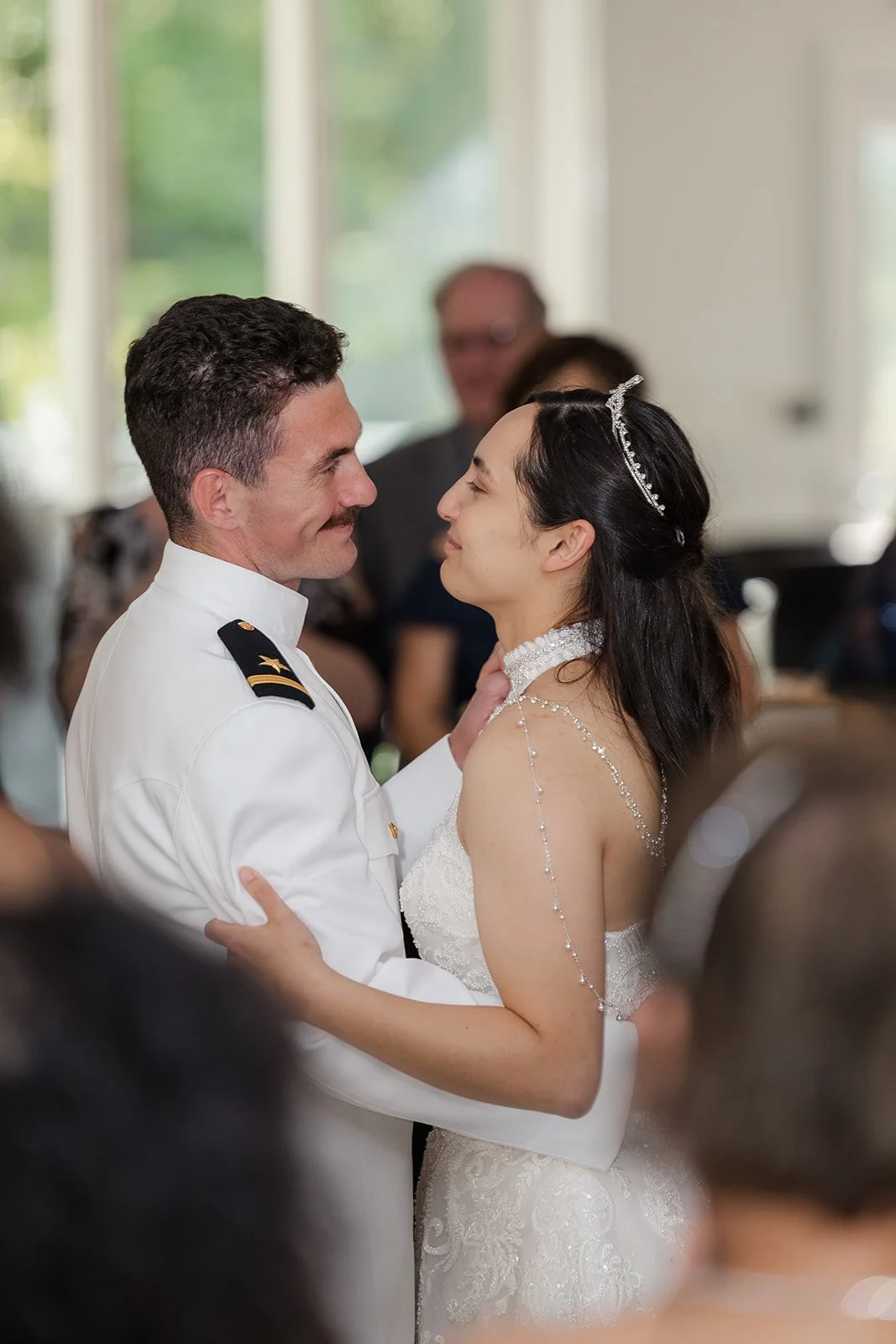
Thirty guests can fill the dance floor, spend the evening talking, or do a little of both. A small wedding still has a sequence of arrivals, music, and moments people need to hear. The question for a Columbus couple is whether it would help to have a professional manage those moments while everyone else enjoys the celebration.
Start by picturing the room at three points. Where are people when the ceremony starts? What do they hear during dinner? What happens in the final hour? Then decide which parts you want a DJ to own. An intimate wedding can use a compact presentation and still benefit from a prepared host, clean microphone sound, and music that follows the guests.
Start with what guests need to hear
At a ceremony with thirty people, the room layout and speaking positions matter. A soft-spoken officiant outside or a reader at the front of a long room may be difficult to hear. A reception toast in a lively restaurant can also disappear into conversation. Ask the venue what sound equipment and operating support it can provide. Then decide whether you need a professional to cover the ceremony, toasts, and music cues. Plan wedding ceremony and toast sound.
If the ceremony happens somewhere else, ask who handles it and how guests move between locations. You may find that an officiant and venue technician handle one space well while a DJ is a good fit for the reception. Get a name beside every meaningful job, including who starts and fades the processional, who hands over the mic, and who helps the group know what happens next.
Decide how much hosting you want
A DJ and MC can welcome guests, introduce a short toast, and cue the first dance. With a small group, the hosting can sound close and conversational. You may prefer two or three short announcements and plenty of space for people to mingle. Tell your DJ which moments need words and which ones you want guests to experience naturally.
If a friend will host, confirm that they want the role and how they will get schedule updates. An attentive friend can manage one welcome or toast. A longer list of announcements and changes may take them away from the celebration. Ask who will manage the music and microphone when the friend is speaking. Plan a wedding reception with less talking.
Treat the dance floor as an invitation
Thirty people do not need to dance all at once for the floor to feel lively. A gentle start with people who know one another can fit the size of the room. Pick a few tracks your closest guests enjoy, then tell the DJ how much flexibility you want during the evening. If dancing is optional, a good plan leaves room for music that feels right while the people who prefer to talk can keep talking.
Consider whether the room has one broad open area or a separate space for dancing. A small floor close to guests may feel easy to join, while a floor down a hallway may require a deliberate transition. Ask your planner and DJ how the seating supports the flow. You can use a first dance, an invitation after dessert, or a favorite song as the opening. Choose what feels comfortable for you.
Ask what a compact setup would look like
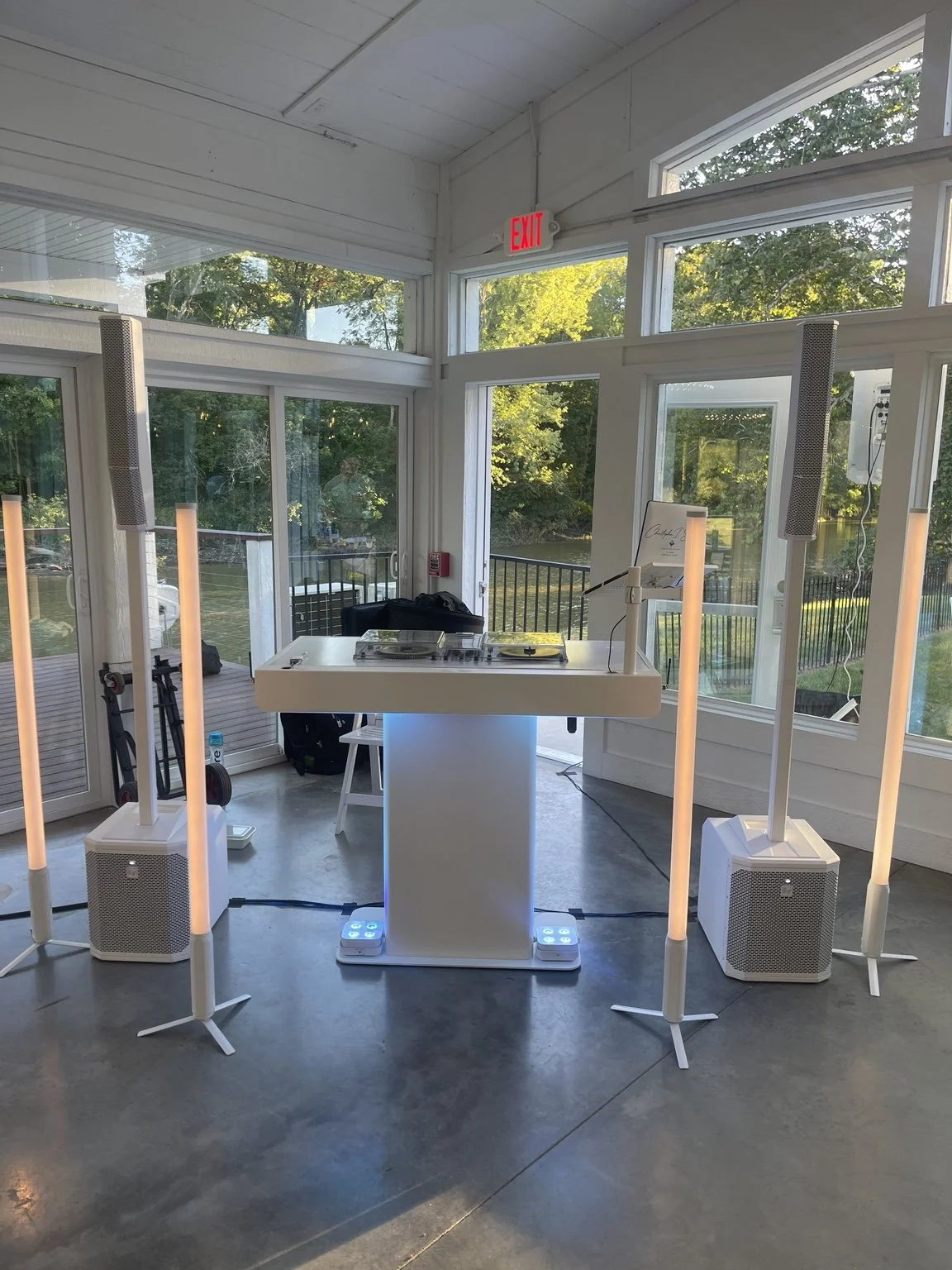
Share a floor plan and photos from the venue walkthrough. Ask the DJ to show the setup they would suggest for your room and which items need space. A small guest count can influence the sound and lighting plan. An unusual room shape, two levels, or multiple event spaces can add requirements that the guest count alone misses.
Also ask what music level the DJ proposes during dining and how the setup affects nearby tables. If a corner of the room needs to stay quiet for conversation, tell the vendor early. A smaller visual footprint and thoughtful speaker placement can help the space feel uncluttered. Decide where the wedding DJ should set up.
Compare the work in a DJ plan and a playlist plan
If you mostly want a quiet meal and one toast, a venue system or a musician may suit your event. Ask who operates the playlist, who checks the microphone, and what happens when an activity runs early or late. Confirm that the venue is willing to cover any tasks you expect it to do. A restaurant may provide speakers and leave playback to your group.
With a DJ, ask whether the proposal includes ceremony cues, music planning, announcements, and live mixing. Compare it with the responsibilities the group would otherwise take on. If your friend would need to watch playback from the side of the room through the whole event, you have identified an actual workload that should be part of the decision. Compare a wedding DJ and a playlist.
Build a quote around the actual micro wedding
Consider how welcome time works in a small group. If guests sit together for most of the evening, a speaker check at seated ear level can tell you a lot. If everyone will move to another area for the dance, ask whether that room needs its own announcement or a path for guests to follow. Those details help make a smaller setup useful.
Tell the DJ your venue, timing, expected attendance, and the activities you are including. Ask for the proposal to identify each room and its sound needs. A guest count of thirty does not tell the provider whether you need a ceremony microphone, an MC, uplighting, or time to set up in a second location. The quote can be more useful once you describe how the wedding works.
Ask whether there is a suitable coverage option for the hours and type of event you have. Some vendors handle reception music with a clear start and finish, while others also provide ceremony and outdoor support. Discuss the full plan and final price before booking. See iShine’s published wedding DJ packages.
Two ways a small reception can feel complete
Imagine a Grandview dinner reception with a brief toast, a first dance, and a playlist-style feel while people talk. The couple can choose a service that supports the microphone and cues, with any open dancing determined by the mood in the room. They ask the venue early about who will control sound and how the announcement will work.
Another couple hosts thirty guests at a property near Marysville with lawn vows and an indoor meal. They want a short, energetic dance set after dinner. Their plan may need a separate ceremony system, careful cues, and a DJ who can mix the genres their guests know. The weddings have similar guest counts. Their different timelines and priorities point to different entertainment plans.
Before you reach out, write down your must-hear moments, the guest atmosphere you want, and who you would otherwise ask to manage each task. If most of your answers point to music changes, microphones, and a host, talk with a DJ. If the venue will cover the work with a confirmed operator and you want mostly background music, that is another useful option to review.
I’m Christopher “DJ iShine” Summers. I work with couples and planners on the music, hosting, and sound to fit their event. If you are considering a small wedding in Columbus or Central Ohio, share the layout and the moments you care about so we can talk through the coverage. Ask about your date and venue.