
Want Less Talking and More Music? Planning Your Wedding DJ’s MC Style
By Christopher “DJ iShine” Summers · iShine Music Production
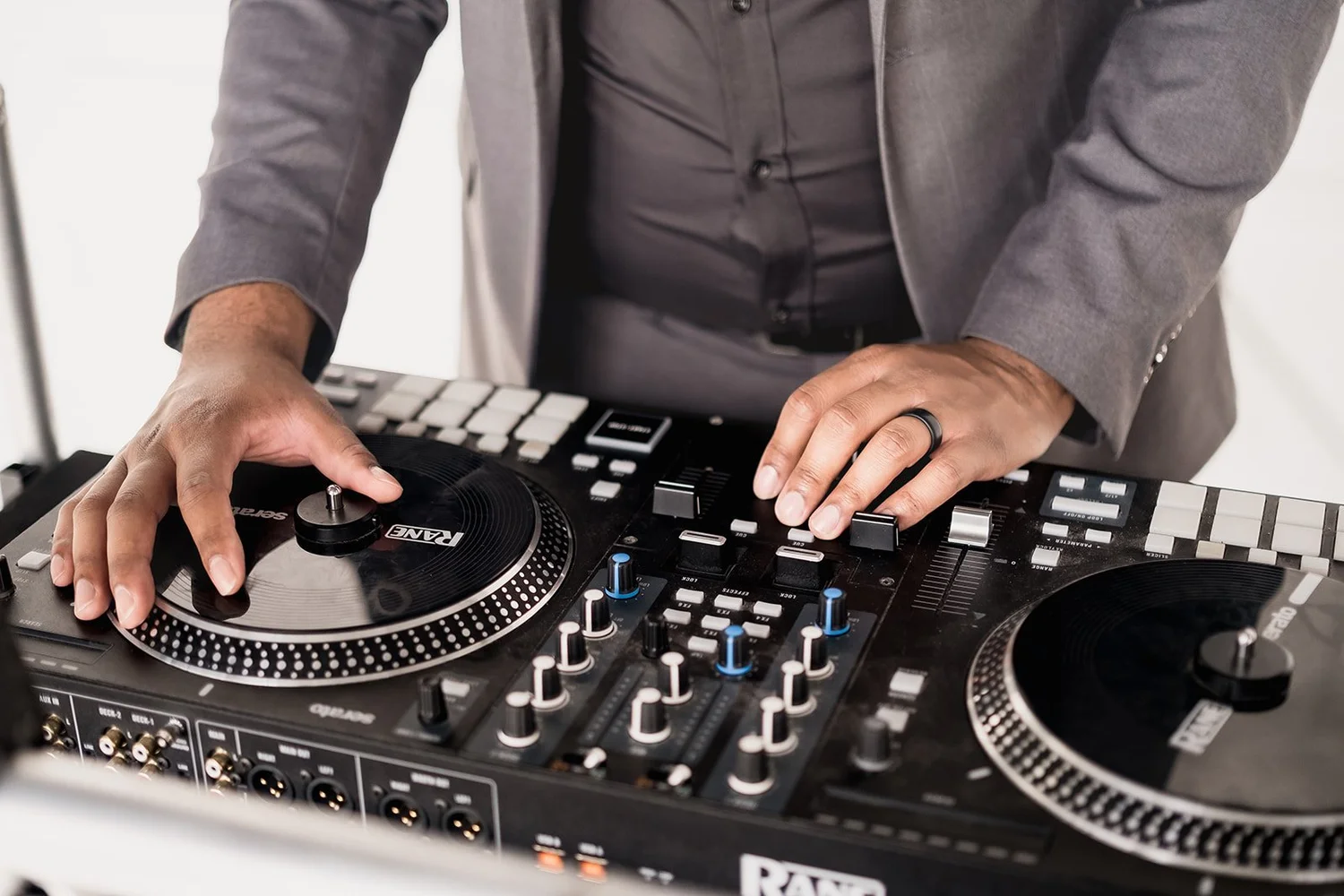
If you want less talking and more music at your wedding, tell your DJ early. The request is not simply about lowering the microphone volume. It is about deciding which announcements help guests, how the MC delivers them, and how the reception keeps moving without unnecessary interruptions.
Columbus couples can plan a reception that feels organized and relaxed while leaving plenty of space for the soundtrack. A clear hosting brief gives the DJ direction and helps your planner coordinate the evening. Here is how to define the amount of MC interaction that fits your wedding.
Describe what less talking means to you
Some couples want announcements only for major transitions. Others enjoy an energetic introduction but prefer the DJ to stay off the microphone during open dancing. You may dislike repeated prompts for applause, spoken commentary over songs, or jokes between every activity. Explain which behaviors you want to avoid.
Then describe the desired experience. Perhaps you want warm introductions, clear dinner directions, and uninterrupted musical sections. That gives the DJ a practical target. A request such as keep it classy may mean different things to different people, while a short list of actual preferences is easier to apply. Discuss the style during the consultation, then carry it into the final planning notes.
Keep the announcements guests actually need
Guests may need to know that the ceremony is beginning, where dinner is served, who is giving a speech, or when an important dance starts. Decide which moments require the MC and which can flow naturally without an announcement. Your planner can help identify those transitions.
Concise wording often works well. A dinner invitation should give the necessary direction after catering confirms readiness. A speaker introduction should identify the person using the approved name and title. The MC does not need to explain every behind-the-scenes adjustment. Ask the DJ how they make announcements useful and brief so the hosting supports the event without competing with the couple or the music.
Create an announcement plan beside the timeline
For each major event, record whether an announcement is needed, who approves the cue, and what the MC should say. You do not need a complete script for every sentence. A short outline can establish the purpose and prevent surprises.
For example, the planner may cue introductions only after the wedding party is lined up and the photo team is ready. The DJ may invite guests to the dance floor after a special dance ends. If you are skipping a tradition, remove it from the timeline and the announcement notes. The two documents should agree so an activity does not return simply because it appeared on an earlier version of the schedule.
Discuss microphone use during dancing
Tell the DJ how much interaction you want once open dancing begins. You might welcome an occasional invitation or a brief message about a planned moment while preferring music to carry most of the energy. Ask what their usual approach sounds like and how it can be adapted.
The answer should connect to your crowd and preferences. Different receptions call for different levels of interaction, and you are allowed to have a clear opinion. If you dislike talking over a favorite chorus or interrupting a singalong, use that as an example. Specific direction is more useful than asking the DJ to read your mind about the point where energetic hosting starts to feel excessive.
Agree on words, names, and personal boundaries
Confirm how you want to be introduced, including names, titles, and pronunciation. Tell the DJ if a conventional phrase does not fit your relationship or the tone of the wedding. Keep sensitive family information limited to what the MC needs to communicate appropriately.
You can also state that jokes about marriage, unplanned stories, or surprise audience activities are not part of the hosting brief. If a guest proposes an announcement, identify who can approve it. This helps the DJ handle requests respectfully without putting the couple on the spot. A restrained MC style works best when the host knows both the intended message and the boundaries around improvisation.
Give your planner and DJ a direct cue process
Behind-the-scenes communication can reduce the need for public filler. If the DJ knows dinner is delayed or the photographer needs another moment, they can continue suitable music while the event team resolves the issue. Guests do not need a running commentary on every adjustment.
Decide who owns the master timeline and how readiness is confirmed before announcements. The process might be a direct conversation, a designated cue person, or another agreed method suited to the venue. The important part is that it is clear. A DJ who is waiting for a confirmed cue can maintain the atmosphere more naturally than one who has to announce a moment and then discover the team is not ready.
Evaluate samples with the right questions
Ask to hear actual MC delivery where available. A music-only mix demonstrates musical choices but does not show announcement style. A highlight video may also use edited audio, so ask what you are hearing and which performer appears.
Listen for clear speech, appropriate pace, and whether the host gives the necessary information without adding unnecessary material. Then discuss how that style would change for your wedding. A sample from a highly interactive reception may reflect that couple’s wishes. The useful question is whether the DJ can explain how they would deliver the quieter or more music-focused experience you are requesting.

A hypothetical reception with restrained hosting
Imagine a Columbus couple who wants concise introductions, two speeches, a first dance, and a long open dancing period. Their planner and DJ agree on a short announcement outline. Before each formal moment, the DJ checks that the relevant vendors are ready. During dancing, microphone use is limited to the few messages the couple has approved.
The event still has structure and direction. Guests know what is happening, while the couple’s favorite music has room to breathe. This hypothetical example shows how preparation can support a natural atmosphere. Less microphone time does not require the DJ or planner to stop coordinating; it asks them to do that coordination thoughtfully before speaking to the room.
A sample hosting brief to adapt
You could tell your DJ: we would like clear, warm announcements for introductions, dinner transitions, speeches, and special dances. During open dancing, please let the music lead and keep additional microphone interaction occasional. We do not want unapproved games or jokes about the couple, and our planner will confirm readiness for formal moments.
Adjust that example to your actual preferences. If you want a more energetic entrance or enjoy a particular audience interaction, include it. The brief should communicate your balance, not force the whole wedding into a silent or rigid format. Ask the DJ to summarize their understanding so you can resolve differences before the final timeline is set.
Questions for the final planning meeting
- Which announcements are necessary for our schedule?
- How much microphone interaction do we want during dancing?
- What names and introduction wording have we approved?
- Who can authorize guest announcements or surprise activities?
- How does the planner confirm that vendors are ready?
- What happens when the timeline needs a quiet adjustment?
Record the decisions in the final notes and share the relevant details with the event team.
Common questions about quieter MC hosting
Can the DJ still help the reception flow?
Yes. Music operation, concise announcements, readiness checks, and vendor communication can support the evening without frequent public commentary. Clarify which responsibilities are included in the service.
Should we write every announcement ourselves?
You can provide exact wording for sensitive or important moments, while letting the MC handle routine phrasing within your agreed style. Discuss the level of scripting that makes you comfortable.
Can we change our preferences after booking?
Discuss changes through the provider’s planning process and confirm them before the wedding. Keep the current hosting brief and timeline aligned so earlier instructions do not create confusion.
Plan the microphone style with DJ iShine
I’m Christopher “DJ iShine” Summers, personally handling music planning, live mixing, and MC duties for Columbus and Central Ohio weddings. Explore MC style planning, learn what to expect, and share your date. Tell me the balance of music and interaction you want for your reception.