
Do You Need a DJ for a Brunch Wedding in Columbus?
By Christopher “DJ iShine” Summers · iShine Music Production
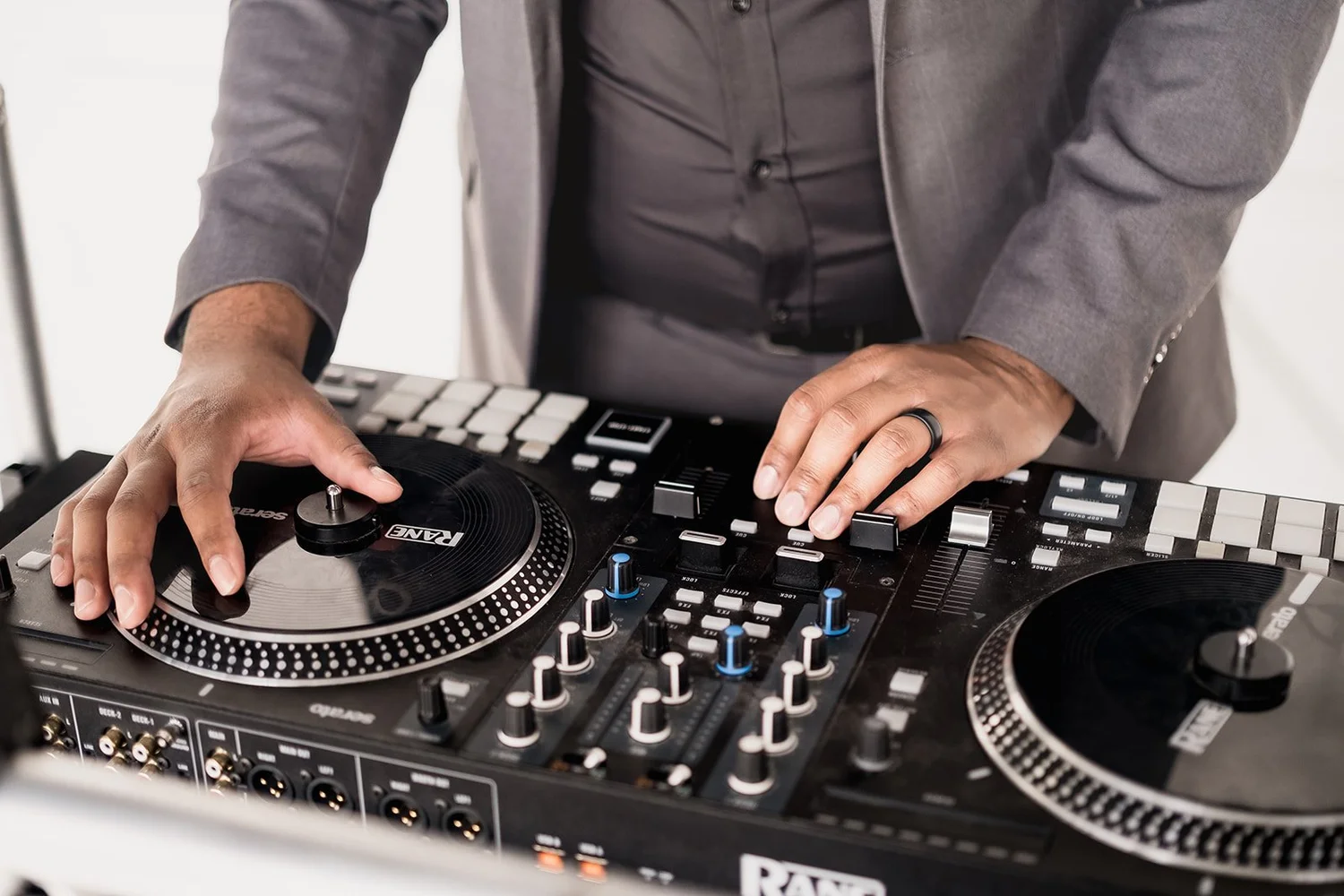
A brunch wedding can feel generous and relaxed. People arrive in daylight, have time to visit across the table, and leave with most of the day ahead of them. You might want a first dance and a few familiar tracks or a reception that centers on a meal and conversation. A DJ can fit either plan when the role is clear.
For a Columbus brunch wedding, decide first whether you need ceremony music, microphones, a host, dancing, or a combination. Those needs tell you more than the time of day. Start with what your guests will experience from arrival to goodbye, then assign the music and announcements to someone who can handle them while the wedding is happening.
Choose the energy you actually want
Imagine how you want the room to sound when people enter. You might picture warm soul, jazz, acoustic covers, or music tied to your families. Tell your DJ how lively you want the room to feel and how much room to leave for conversation. A few artists and example tracks help communicate your taste without giving someone a separate playlist to manage every hour.
Decide whether dancing is part of the invitation. Some couples want a real dance set in the middle of an afternoon reception. Others want one first dance followed by music throughout brunch. Each can feel complete with a clear shape and a friendly close. If you want a casual atmosphere, explain whether guests should feel free to come and go or if you want them gathered for a few scheduled moments.
Identify ceremony needs early
Daytime ceremonies still need the same cue clarity. Find out who starts guest seating music, cues entrances, supports the officiant’s microphone, and plays the recessional. If the ceremony takes place in an outdoor garden and the meal is in a different room, the venue and DJ can advise on separate coverage and access. Ask what the indoor option would need if the weather changes.
You can decide to use a church musician or venue operator for the ceremony and hire a DJ for brunch. Coordinate the transition so people hear welcoming music as they arrive for the meal. The ceremony provider and reception operator should know where their work begins and ends. Plan clear aisle music cues for a Columbus ceremony.
Work with the rhythm of brunch service
Ask the caterer how the meal will unfold. A buffet, a plated brunch, and stations can have different flow. For a buffet, an MC may need to explain how tables are called and when guests can go up. For a plated meal, a quiet background set and a cue before a short welcome can be enough. Give the DJ the venue’s names for rooms or service areas so instructions are easy to follow.
Agree on toasts or other planned announcements. A speaker should be able to use the microphone when the room is ready to listen, with catering aware of the timing. If there is an important toast while guests are moving or coffee service is particularly active, talk to the planner about choosing a better gap. Prevent wedding speech microphone problems.
Plan a daytime first dance that feels like you
Your first dance can follow entrance, happen after the meal, or begin the optional dance portion. Tell the DJ what you want people to do. You might invite them to watch from their seats, gather near the edge of the floor, or join after the first verse. Give the photographer the same cue and tell the DJ if you want a particular recording or shortened ending.
If the dining room is bright and open, you may prefer to keep the lighting simple. Look at the floor plan and how people will move around the room during the moment. A small open area is often enough if everyone can see. An intimate dance or short toast should still have a clear start so the room has a chance to pause and enjoy it. Coordinate first dance cues with photography.

Give optional dancing a clear place in the schedule
When you do want dancing, plan a window for it. Decide when it starts, where the floor will be, and whether it should feel like a relaxed invitation or a burst of party music. Send a few songs that would make your crew get up. Ask your DJ how they would read the room if several people prefer to keep talking.
A brief opening after dessert can give people a natural moment to join. You can also use an upbeat finish after your last formal activity. Make sure any other plans, such as portraits or a group goodbye, are timed around that window. Guests can participate in different ways if the music level and layout make the room comfortable for both conversation and dancing.
Decide who operates the room when dancing is not planned
A venue’s background playlist may be enough for a simple brunch if someone can confirm the music preferences and operate the microphones. Ask the venue who starts the playlist, adjusts the level, and handles a change. If you want a recorded entrance, spoken thank-you, or special music cue, assign it to a person with an actual role and a tested setup.
A DJ can cover a conversation-centered reception by preparing music for each phase, helping with a few announcements, and adapting the pace. A short talk about the scope can help you decide whether professional coverage makes sense. The important comparison is what people will hear and who will handle it on the day. Review your options for DJ, microphone, and MC coverage.
Two sample Columbus brunch wedding plans
Imagine a couple hosting a late morning ceremony followed by a restaurant meal in German Village. A coordinator introduces two speakers and shares the couple’s closing thank-you. Their priorities are ceremony cues and clear toast sound, with background music selected for their guests. They ask the venue and prospective DJ to price the work that each can cover.
A different couple has a ceremony and brunch in one building in the Columbus area. After brunch and a first dance, they want a short open dance set. They ask the DJ to bring up the energy when the meal and toasts have finished, then close at the venue’s confirmed time. The guest experience changes because they gave dancing a place and a signal to begin. Both plans have a considered finish.
Notes to gather for the first DJ conversation
- Confirm when guests arrive and when the venue needs the room back.
- Identify ceremony and reception spaces with a sound requirement.
- Describe the style and pace you want during the meal.
- Tell the DJ who should speak and when.
- Decide if you want a first dance, open dancing, or background music.
- Include the catering lead and planner in service and microphone cues.
- Compare proposals around the agreed scope and operating responsibilities.
If you can picture the morning and afternoon in a few sentences, you have enough to speak with a DJ. I’m Christopher “DJ iShine” Summers, and I work directly with Columbus and Central Ohio couples on music, live mixing, and hosting. Tell me what you envision for your brunch and which parts need coverage. Check your date with iShine Music Production.