
Wedding DJ Noise Limits and Music Curfews: Planning Around Columbus Venue Rules
By Christopher “DJ iShine” Summers · iShine Music Production
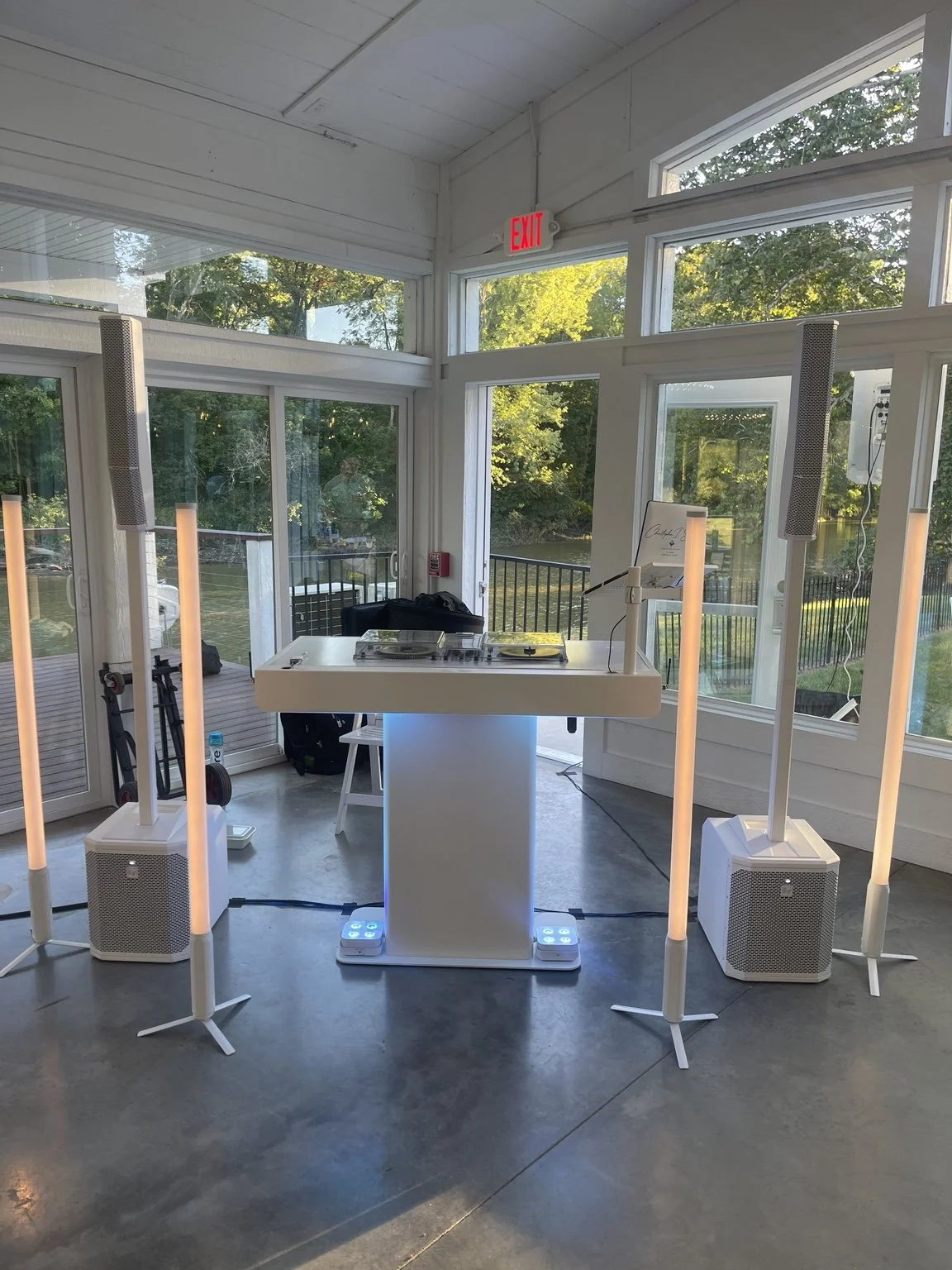
The venue says music must end at ten, but does that mean the last song finishes at ten, the outdoor speakers turn off at ten, or every guest needs to leave by ten? Those details matter when you are choosing DJ coverage and planning the final part of your wedding reception.
For Columbus couples and planners, wedding DJ noise limits and music curfews should be confirmed with the actual venue. This guide is a planning checklist for obtaining and using those requirements. It does not assume that every Central Ohio property follows the same rule or that a venue’s policy is identical to a local legal requirement.
Get the exact venue sound rules in writing
Ask the venue for its current entertainment requirements and share them with the DJ before booking or finalizing production. Include restrictions for the ceremony, cocktail hour, reception, and any outdoor activity.
Request clear answers rather than relying on broad phrases such as “keep it reasonable.” Find out whether the venue specifies operating hours, equipment placement, indoor and outdoor differences, or a monitoring process. If a requirement is unclear, ask the venue’s authorized contact to explain it.
Do not use another couple’s experience at a different property as your final source. Even events in the same community can have different agreements, layouts, and venue procedures.
Distinguish music ending from guest departure
The final song, bar service ending, guest exit, vendor teardown, and full property departure may happen at different times. Put each relevant deadline on the timeline so the team understands what must be complete.
If music must be off at a specified time, plan the final song to finish by that point. Starting a long track at the cutoff creates a conflict that should have been avoided during planning.
Also ask about any private last dance after guests leave. That is still a planned music activity and needs venue approval within the available schedule. A quiet room does not automatically create permission to continue after an agreed ending time.
Confirm who monitors and communicates sound concerns
Ask who represents the venue during the reception and how that person communicates with the DJ. A clear contact helps the performer respond quickly to a request without receiving several conflicting instructions.
If the venue uses a defined measurement process, ask it to explain that process directly to the audio professional. The couple should not have to interpret an unexplained number or choose a measurement location. Specific instructions are more useful than a limit with no operating context.
Confirm the response expected when a concern arises. The team should know whether to adjust overall level, address a particular area, change a setup, or pause while the authorized contact clarifies the issue.
Review indoor and outdoor coverage separately
A property may have different expectations for a courtyard, lawn, terrace, and enclosed reception room. Tell the DJ which spaces will use amplified music or microphones and when each activity occurs.
An outdoor cocktail system may need to end before the indoor reception does. A ceremony microphone can also fall within a venue’s audio requirements even though it is used for speech. Ask about the whole event rather than focusing only on dancing.
Our guide to ceremony, cocktail, and reception sound explains how to describe separate coverage needs. The more accurate the location plan, the easier it is to discuss the relevant restrictions.
Plan speaker placement with the rules in mind
Share the venue’s requirements before the DJ location is finalized. Speaker placement, the dance floor, nearby dining tables, doors, and guest movement all affect the practical setup options.
A decorative location chosen without input from the audio professional can create avoidable problems. The booth may look good in a corner while leaving poor sightlines or an awkward relationship between speakers and guests.
Read the wedding DJ floor plan guide when reviewing the room. The DJ and venue should evaluate placement together within the agreed rules, rather than trying to repair the layout after guests have arrived.
Describe the party you want before choosing coverage
Tell your DJ about the atmosphere you imagine and any venue limits already known. An energetic reception can involve song selection, timing, transitions, and participation as well as sound level. Discuss how the entertainment approach fits the property.
If you want a celebration that continues later, confirm the venue’s actual options early. A different approved room or a separately planned after-party may be worth considering, but availability and permission need to be established before it becomes part of the guest plan.
Do not book extra DJ time on the assumption that the venue will overlook its ending requirement. Entertainment coverage and venue permission need to match.

Build the final hour around the real cutoff
Work backward from the confirmed music ending time. Identify the last formal moment, the period of open dancing, the final announcement, and the closing song. Give the DJ clear priorities if dancing time becomes shorter than planned.
If dinner or another activity runs late, the team should review what can move within the remaining time. Our dinner-delay guide explains how to check constraints and protect important moments.
A fixed cutoff is easier to manage when it is visible on every vendor’s current timeline. The DJ should not be the first person telling the couple about it during the final song.
Decide how overtime requests will be handled
Before the wedding, ask whether an extension is possible at all. If it is, confirm who can approve it, what the DJ’s agreement requires, and which other services or staffing could be affected.
A guest offering to pay for another song does not establish venue permission. Nor does a couple’s preference automatically extend a vendor’s availability. The designated event lead should coordinate the necessary approvals before the DJ announces a continuation.
For a more complete checklist, read the wedding DJ overtime guide. Knowing the process early helps prevent an emotional negotiation when everyone is already saying goodbye.
Use clear closing announcements
Guests need to understand how the celebration ends and where they should go next. The DJ can announce the final planned dance, transportation instructions supplied by the team, or the location of an approved next activity.
Keep those announcements accurate. If an after-party is not confirmed, do not present it as part of the official event. If shuttles follow a particular schedule, obtain the correct information from the responsible contact.
The tone can remain warm and celebratory while respecting the venue’s requirements. A purposeful ending often feels better than an uncertain series of “one more song” requests with no agreed finish.
A hypothetical venue cutoff plan
Imagine a Columbus-area venue that provides one ending time for outdoor amplified music and a later ending time for the indoor reception. The planner shares both requirements with the DJ and confirms who will supervise the event.
The DJ’s proposal covers the agreed locations and hours. The shared timeline ends outdoor cocktail music before guests enter the reception and places the last indoor song before the confirmed cutoff. When a family member asks about extending the party, the planner can explain the agreed options.
The specific times will vary by event. The useful habit is turning a general rule into an operational plan before guests arrive.
Wedding sound-limit and curfew checklist
- Obtain the venue’s current written entertainment rules.
- Confirm requirements for each indoor and outdoor location.
- Separate final music, guest departure, teardown, and property exit times.
- Identify the authorized venue contact and monitoring process.
- Review equipment placement before finalizing the floor plan.
- Match DJ coverage hours to the approved schedule.
- Establish how extensions and late changes are authorized.
- Plan the final announcement and closing song deliberately.
Frequently asked questions
Are wedding venue curfews the same across Columbus?
Do not assume a uniform rule. Ask your actual venue for the requirements that apply to the property and your event. Refer legal questions to the relevant authority or qualified advisor rather than relying on a generic wedding article.
Can we keep dancing if the music is quieter?
Only if the venue approves the plan within the applicable requirements. A lower level does not automatically override a time restriction. Confirm the options before making a promise to guests.
Plan your reception ending with DJ iShine
At iShine Music Production, I personally handle music planning, live mixing, and MC duties while coordinating with the venue and planning team. Explore Columbus wedding DJ services or share your date and venue. Send the property’s entertainment requirements so we can discuss a celebration plan that fits the space and schedule.