
What If You Can Hear Another Wedding From Your Venue Room?
By Christopher “DJ iShine” Summers · iShine Music Production
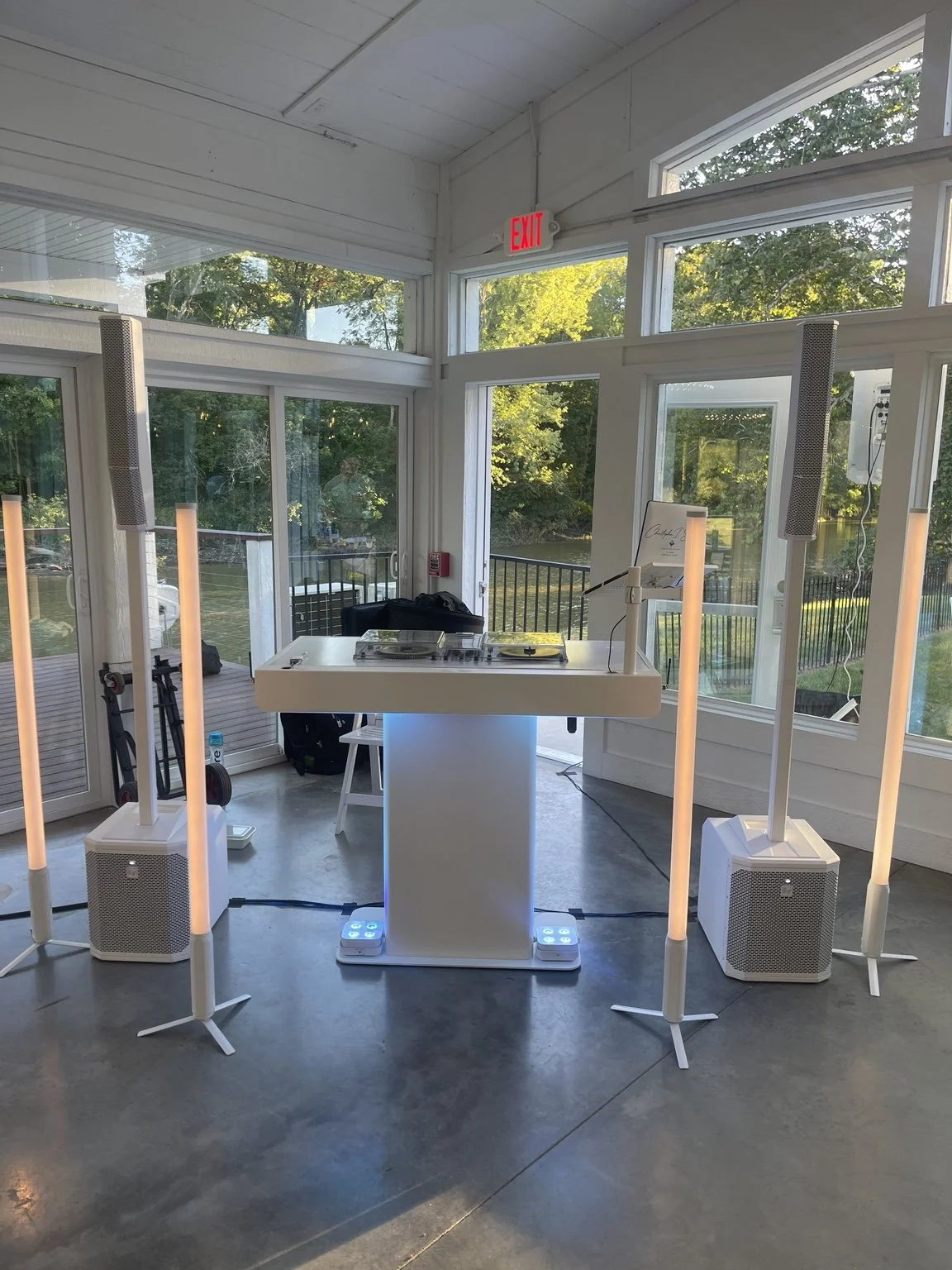
You love the room for your Columbus wedding and learn that another event may be happening next door. Ask the venue what sound travels between the spaces and how it manages concurrent events. Check the shared wall, doors, hallways, and the times when you want guests to hear vows, toasts, or an entrance clearly.
A simultaneous event can be manageable if the venue controls the spaces and the timeline reflects what people can hear. Get specific information before choosing a setup or relying on a quiet ceremony. Give your planner and DJ the venue’s requirements so they can review the scheduled moments that matter.
Ask whether rooms, doors, or hallways are shared
Start with the venue map and the actual rooms available for your event. Do the rooms share a wall, a movable divider, an entrance area, or a hallway? Ask which areas guests use at the same time and whether doors must open for service or access. Sound can be noticeable in a location even if the main dance floors are not near one another.
Ask the venue what it can tell you about simultaneous bookings in general, such as whether another reception or amplified event may occur near your ceremony. You do not need another couple’s private details. You need a clear description of how the property manages the shared space and who can answer questions as your date approaches.
Listen from the place where quiet matters
Arrange an approved visit or test with the property if it can help show how the rooms sound. Stand where the officiant would speak and where guests would listen. Consider a toast location and the seats farthest from the microphone, too. Ask the venue what type of activity would be audible from another area and whether its available test reflects normal event conditions.
A tour in an empty building can tell you about the layout and access. It may tell you less about how two events operate at once. Ask for examples of the venue’s procedures and how it reviews sound levels or doors when both rooms are in use. The DJ can then plan with the right expectations. Plan comfortable sound in your wedding reception room.
Give the DJ the ceremony and speech priorities
Identify the parts of the wedding you especially want guests to hear. A short vow exchange with a soft-spoken officiant may need careful room choice and microphone placement. During dancing, people may be more comfortable with the normal sound of a busy venue. Tell your DJ which moments should feel quiet or focused.
Ask the DJ and venue how they would support those moments. Positioning the couple and speakers in the room or choosing another approved ceremony area may help. The audio professionals can explain what amplification can do for your guests and how they will test it. Review wedding ceremony and toast sound.
Ask who controls sound and monitors the shared areas
Find out who can handle a request about sound from a neighboring event. The venue may have an event lead or technician who communicates with both rooms. Ask the planner how to reach them and who can authorize a change. Your DJ needs an assigned point of contact and a clear signal when an adjustment has been approved.
Confirm what the venue expects from your DJ as well. Ask about applicable sound requirements, which doors or dividers it will manage, and whether it can approve a layout or change to speaker placement. Put those requirements in the technical notes and share them with the performer well before the day. Plan around venue sound rules and music cutoffs.
See whether timing or room placement can help
Tell the venue which moments you are concerned about and ask whether it can offer a scheduling or layout option. You may be able to choose a ceremony room with another orientation, move a toast to a quieter point, or plan the procession away from the busiest entrance. Ask which options depend on another room being available.
Check each change against the rest of the wedding. A different ceremony room may require different sound, guest directions, or access for the photographer. If the venue can provide a quieter room for vows, give the DJ and planner time to confirm the setup and what guests will do afterward. Map ceremony, cocktail, and reception sound across spaces.

Put a realistic check into the setup schedule
Tell the venue which doors are part of the guest or staff route so its team can decide how they operate. If the room opens often during meal service, ask whether the venue can make a different plan for a short speech. Give the planner the agreed instruction in advance so they can coordinate with catering and the venue contact.
Ask when the DJ can test microphones and playback in the actual space. Have someone speak from the planned positions. Listen from a few seats, including near the shared wall and door if relevant. Have the venue contact take part if its response or equipment is needed.
Test the planned transition, too. If one door usually closes during vows and opens for the exit, ask who controls that change. If the ceremony ends and guests move through a shared hallway, choose who directs them to the correct room. Give your DJ accurate wording for any transition announcement. Confirm a DJ’s soundcheck and venue access.
Decide how to handle a concern during the event
Ask the planner to receive sound concerns and talk to the venue lead. They can confirm what is happening and what the venue can adjust. If it would help to wait briefly before introducing a toast, give that authority to one person and an agreed way to signal the DJ.
You can plan a fallback for the particular moment. A scheduled toast could move within the meal if the planner and caterer agree. The ceremony may have less flexibility. Ask the venue and vendors which alternatives would be feasible. Include the change process in the current timeline so the couple is free to focus on the celebration. Make one wedding timeline for your planner and DJ.
A hypothetical reception next to another event
Imagine a Columbus venue expects two receptions in adjoining rooms. The couple wants a quiet family toast after dinner. During a walk-through, the planner and venue review seating and identify a speaking spot farther from the shared doorway. The DJ gets the microphone location and confirms when the venue will check sound in both rooms.
The venue gives the planner a contact for concerns during dinner. Before the toast, the planner confirms the speaker is ready and the music arrangement is appropriate. If the neighboring room becomes louder, the venue has a way to respond and the planner has permission to adjust the toast timing. The couple decided which moment mattered, and each vendor knew how to support it.
Before you book or finalize production, confirm room boundaries, expected sound conditions, the venue contact, the areas where guests need to hear, the time for a check, and the options for adjustments. Include any room change or equipment need in the proposal.
I’m Christopher “DJ iShine” Summers. If your Columbus venue is hosting another event nearby, send the layout, venue policies, and the moments you want to protect. We can discuss sound coverage and cues with your event team. Talk through your venue sound plan.