
Planning a Columbus Wedding During an Ohio State Football Game
By Christopher “DJ iShine” Summers · iShine Music Production
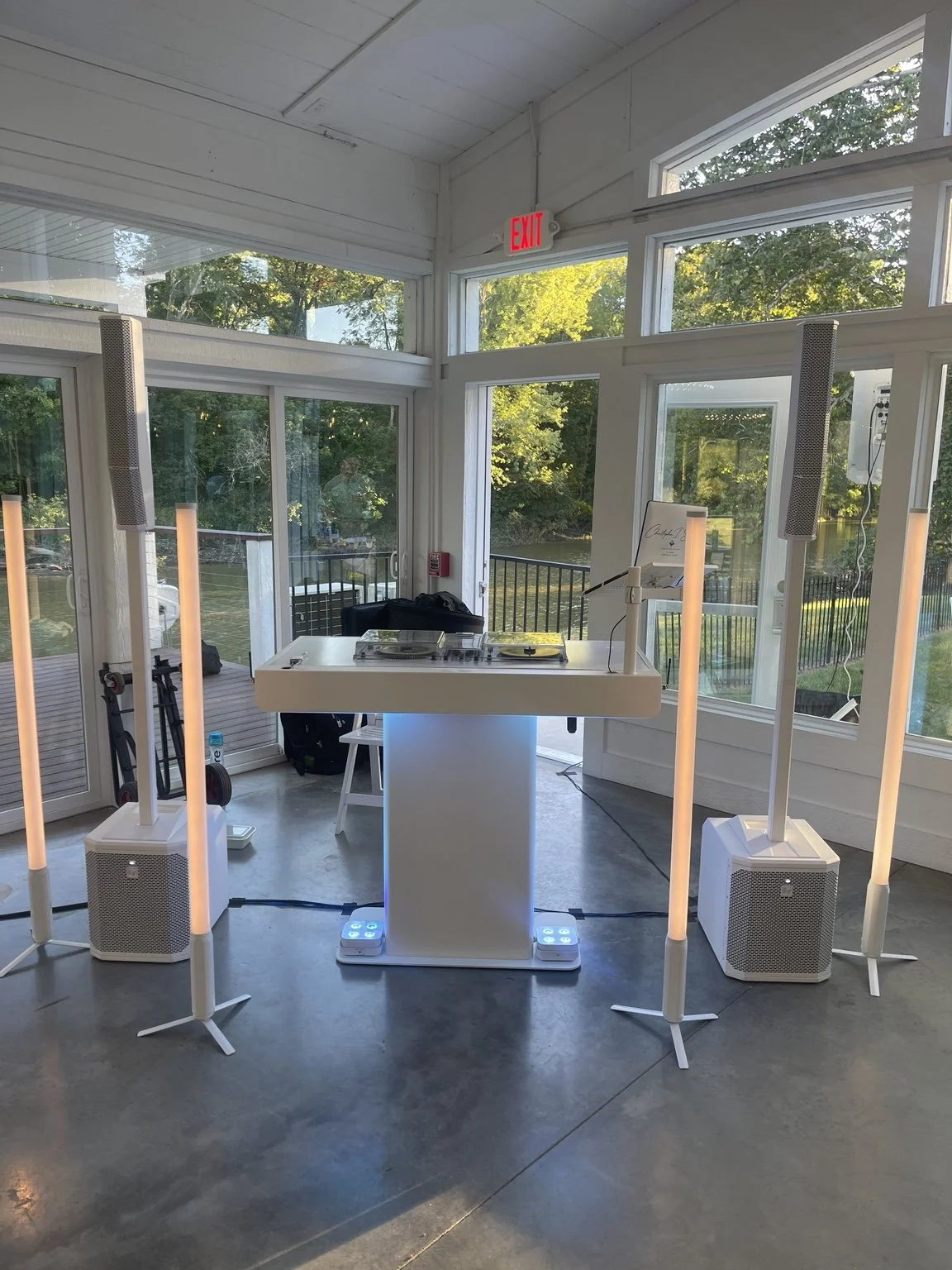
Your Columbus wedding overlaps with an Ohio State football game. Guests may be wondering whether they can watch, and you may be wondering whether you will lose half the room right before the toasts. Start with your own priorities. You can choose to skip game coverage, share a place where guests can check in, or arrange a viewing option with the venue. Give the planner and DJ a clear plan for arrival and for the moments you want guests to share.
Game-day effects depend on where you are in Central Ohio, whether the team is playing at home, and what time your guests and vendors need to move. Confirm the current schedule and ask your venue about the real routes and room rules for your event. The game is one part of a larger plan.
Confirm what is known about the game
Check the official Ohio State football schedule for the date, location, and kickoff information. If a start time is listed as to be announced, tell your team when you will check again. Avoid timing a toast or entrance around a predicted halftime. Football and reception schedules both have room for change. Ohio State’s official football schedule.
Ask what the venue sees on a game day. A campus-area property and a venue in a different part of Central Ohio may have different arrival concerns. If guests will stay in one area and travel to another, confirm where those routes overlap with busy streets or event entrances. The venue and transportation provider can help you choose a realistic arrival window.
Give the DJ and vendors a plan for getting to the property
Send the DJ the correct loading door, parking arrangement, and approved arrival time. If the venue expects heavier traffic, ask the performer how they will account for it. Compare that with access restrictions and the time needed for equipment and soundcheck. An earlier arrival only helps if the property can accommodate the work.
Give the wedding party and guests separate instructions if they use different entrances. The planner can coordinate who tells the DJ when the couple and important family members have arrived. If people are delayed, the DJ can continue with the approved seating or welcome music while the planner verifies the next cue. Plan DJ load-in and venue access.
Decide if you want a screen at all
Ask how much the game matters to you and the people you are hosting. Some couples want their guests focused on the reception. Others want a designated place to check the score or watch briefly. Choose an arrangement you both can feel good about and ask the venue what is available.
If you use a screen, the venue should confirm permission, the approved source, the room, and who operates it. A bar next to the reception may already have its own arrangement. A portable screen inside your wedding room needs more coordination. Ask who provides power, picture, and sound and whether the venue has restrictions about using its service or equipment. Plan wedding video and screen playback with your AV team.
Protect the moments you want people to hear
If you plan to show part of the game, choose whether the viewing area will be open before dinner, throughout the reception, or only during a particular break. Give the venue and planner permission to keep the wedding activities on their own schedule. Decide who will tell guests where to go and who communicates any change if the game lasts longer than expected.
Decide which events deserve attention in the main room. You might want guests present for the couple’s entrance, a parent’s toast, and the first dance. Put those activities in the shared run of show, and ask the planner how guests will be gathered if some are elsewhere. Give the DJ clear words and a cue for any announcement.
If you approve a viewing area, decide what happens to its audio during speeches. You can ask whether a separate room or a muted screen would work with the venue’s setup. Let the room operator and DJ discuss their responsibilities. The performer should know who can change the sound and when. Plan a sound arrangement for separate wedding spaces.
Put guest expectations into the welcome plan
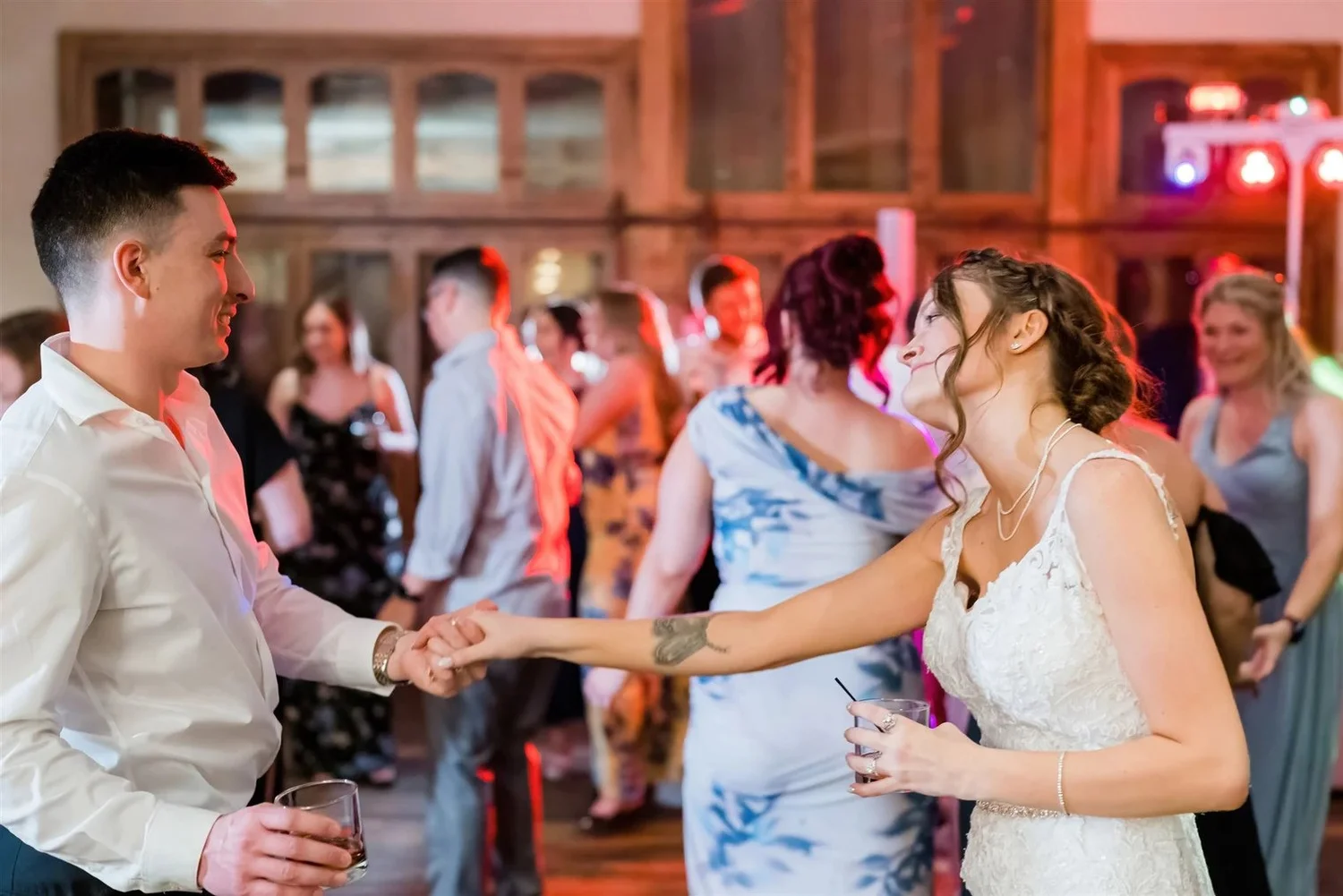
You can mention the game briefly in a wedding website update or a welcome note if it affects parking, directions, or the reception. Use confirmed information. If you have an optional viewing area, say where it is and which activities will take place in the main room. A clear note makes it easier for guests to make their own choices.
Give the MC the same direction. If the couple wants a quick score acknowledgment or a favorite team song, agree on the timing and recording. If they prefer a simple welcome and no updates, tell the DJ that too. An MC can guide guests without talking over dinner or announcements. Set your preferences for wedding MC announcements.
Review transportation near the end of the wedding
Ask the planner and transportation provider what pickup or shuttle patterns guests should use if local traffic changes. Share the venue’s approved pickup location and times with the DJ. The person making the announcement should have the current instructions so guests reach the right place when they leave.
If you have an after-party across town, consider whether the route and arrival times need a different plan. Confirm which venue staff stay through teardown and where vehicles can collect equipment. Those decisions apply even if the game ends before most guests arrive. Plan a wedding after-party across two locations.
Give one person authority to update the plan
Tell the planner or event lead when to decide whether to open a viewing area, adjust guest arrival instructions, or move an announcement. The DJ can play the approved music until that person confirms a change. The AV operator can verify if the display is available and tell the planner if a fallback is needed.
Decide what to do if you cannot show the game as planned. You may keep the reception schedule and let guests check scores on their own, or use a venue-provided area if it is already approved. A fallback should be something the team can communicate and operate without losing the timing of your featured events. Share one wedding timeline with the DJ and planner.
A sample Columbus game-day reception
Imagine a couple chooses to keep the main room focused on the wedding. The venue confirms a separate lounge with a screen and provides its operating instructions. The couple uses the wedding website to share confirmed parking details and asks the planner to give guests a gentle heads-up before the toasts.
The DJ checks reception sound before the room opens, plays the agreed welcome music, and waits for the planner’s cue to begin speeches. Photography is present when people return to the main room. If kickoff changes, the reception still has its own schedule and the venue can adjust the lounge separately. The couple knows what it wants to protect and the vendors know how to carry it out.
I’m Christopher “DJ iShine” Summers. If your Columbus wedding overlaps with a major local event, send your venue, timeline, arrival plan, and any AV needs. We can discuss how the working schedule, music, and announcements fit together. Check your date and tell me about the event.