
How to Plan Bilingual Wedding Announcements in Columbus
By Christopher “DJ iShine” Summers · iShine Music Production
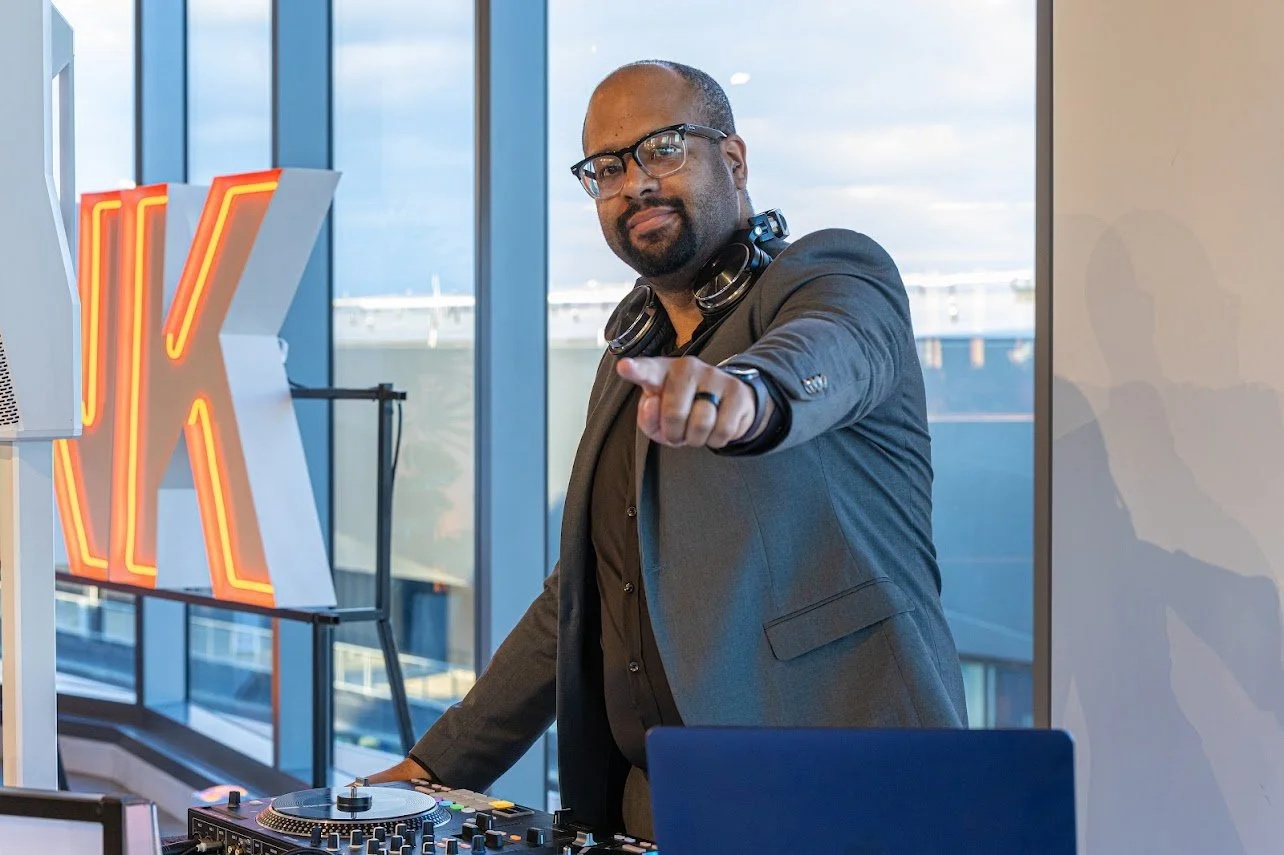
If people at your Columbus wedding speak English and Spanish, decide which information they need in both languages and who will deliver it. A bilingual MC may handle the full set of announcements. A DJ and a second host can also work together if the script, microphone, and timing are clearly assigned.
Start with the guest experience. People should understand where to go, who is being introduced, and what activity is about to happen. A short welcome and practical instructions can make guests feel included. Longer speeches or ceremony readings may need a different communication plan. Ask your families and planner which moments matter most before you choose a provider.
Choose the announcements that need both languages
List the moments when guests need to act or pay attention. The welcome, instructions for dinner, introductions, transitions to another room, and transportation details often matter more than repeated introductions to every song. Decide which parts should be delivered in both languages and which can use music or visual information to guide people.
Think about who will be listening. Some guests may understand one language better when it is spoken, while others can follow a printed sign for directions. Write the words and format that suit the room. A bilingual host can give both groups the key information without having to repeat every phrase in the same way. Plan clear and concise wedding MC announcements.
Ask directly about the host’s fluency and experience
If a company offers bilingual MC coverage, confirm who will do it at your wedding. Ask how comfortable they are reading a prepared script and handling a change while speaking. You can ask them to describe or demonstrate a sample introduction. Listen for conversational pacing, clear words, and a tone that feels right for your people.
A DJ may be experienced with the music your families like and need a separate person for spoken announcements. If so, ask whether the business can work with an agreed bilingual MC. Confirm how each provider is booked, how the speaker and DJ keep in touch, and who will approve changes. Confirm the person who will DJ and host your wedding.
Build one script with both versions side by side
Give your planner and MC one approved document with the language order and the names they should use. Include any terms that are personal to your families. A fluent reviewer chosen by the couple can check that both versions are accurate and natural. Pass along exact pronunciation notes or recordings for names, neighborhoods, and place names.
Give practical instructions priority. The Spanish wording for a room direction should tell guests where they are actually going. If the venue calls a room by a name guests see on a sign, use a description the MC can deliver clearly in both languages. Update that line if the destination changes. Prepare wedding names and pronunciation before the reception.
Keep pacing in mind
Try writing an arrival announcement in both languages and checking how it sounds. “Please join us in the main ballroom for dinner” can be paired with “Por favor, acompáñennos al salón principal para la cena.” Use the words your families will understand and have your chosen reviewer check the room name and delivery before the wedding.
An announcement can have two brief parts. The host might give a welcome in both languages, then begin the music transition after both have been spoken. Agree on the cue that comes last. If the couple’s entrance song starts after the first language, guests who are waiting for the second instruction may miss the moment.
Ask the DJ and MC to read a section aloud before the wedding. Give both languages enough time to be understood. For an entrance with many names, consider a clear greeting in both languages followed by one reading of the agreed names. Let the couple decide what feels respectful and natural for that activity. Plan introductions and music cues together.
Assign the microphone and music roles
If the DJ and host are different people, decide who holds the microphone and where they stand. The DJ may control audio and music while the MC waits for a signal from the planner. For a toast, one person can share a short introduction and hand the mic to the speaker. Make sure the DJ knows when background music should change.
Set up a check with the actual host and microphone. Have the MC speak from the location they will use. Ask whether the people farthest away can hear and whether the performer can see the person giving the cue. If announcements happen in another room, assign the operator for that location as well. Plan a separate MC and DJ at the same wedding.
Decide how speeches and ceremony words will be shared
A bilingual announcement plan may cover the general program and leave each speaker to give a toast in their preferred language. Ask what you want people to understand and whether a short translated summary, printed material, or qualified interpretation would help for longer portions. Give the speakers and any interpreter time to review the approach.
Share that decision with the DJ so the audio and timing fit. An interpreter or second speaker may need an approved place to stand and a reliable microphone or feed. Guests may also need an accessible way to follow spoken content. Ask them or the access provider what will suit the ceremony and reception. Plan accessible wedding vows and toasts.
Prepare for a change that needs to be announced
Give the planner a way to reach both the host and DJ. If the shuttle pickup, dinner call, or room changes, one person should confirm the facts. Have the MC review how to explain the update in both languages. If a second person is preparing a translation, make sure they can get it to the speaker before the announcement.
A simple fallback is to wait briefly while the plan is checked, keep the approved background music playing, and make the announcement when the message is ready. If a guest asks for an extra announcement, the MC can route it to the planner. This keeps changes connected to the couple’s actual schedule. Keep the DJ and planner on the same wedding timeline.
A hypothetical English and Spanish reception in Columbus
Imagine a couple who wants both families to understand when to move from cocktails into dinner and where to watch the first dance. They hire an MC who will speak in English and Spanish and a DJ who will manage sound and music cues. The planner uses one script and identifies the cue after the full announcement. The couple checks the names and approved wording.
The MC welcomes the room, the DJ begins the entrance recording, and the planner guides the people entering. The same team later handles a transportation update using the information confirmed by the venue. Guests hear what they need, and the hosts can keep the celebration moving.
Before booking, confirm the named host, languages, script reviewer, key moments, sound setup, and event-day decision owner. If you already have a bilingual speaker or MC, share their role and availability with your DJ as part of the proposal.
I’m Christopher “DJ iShine” Summers. I personally plan music and MC cues for Columbus weddings. If your reception has English and Spanish announcements, tell me which parts need both languages and who you are considering as the bilingual host so we can discuss a working sound and timing plan. Tell me about your wedding and MC plans.