
How to Plan Baraat Music and Mobile Sound in Columbus
By Christopher “DJ iShine” Summers · iShine Music Production
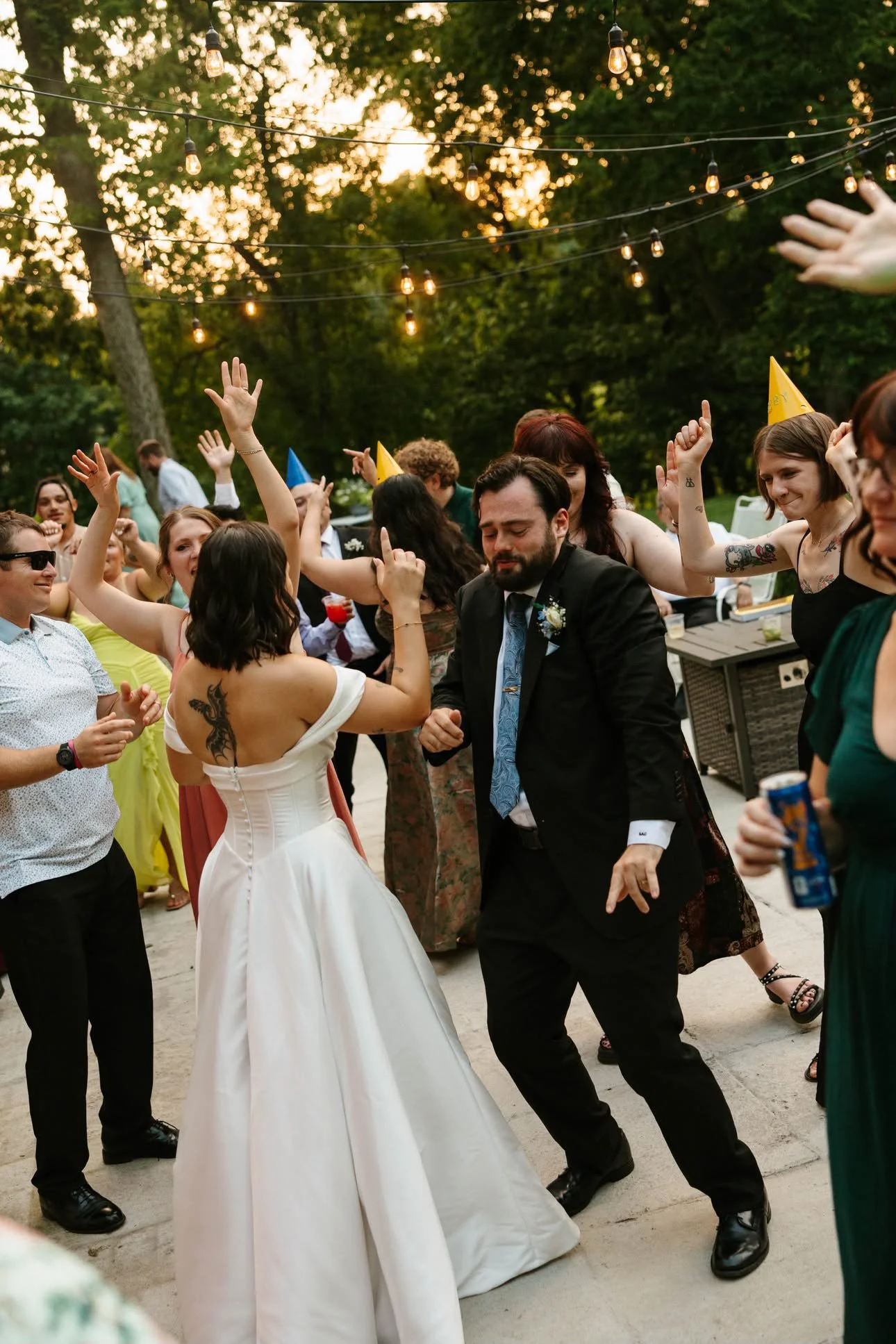
If a baraat is part of your wedding, you may want the music to follow the group along a procession route. Start by asking your venue which route it can accommodate and how sound, a DJ, and a dhol player can work within that arrangement. Share your family’s plans with the vendors so they understand the way you want the procession to feel.
For a Columbus wedding, the right setup depends on the route, the number of guests, where the procession stops, and what happens when people enter the ceremony. A portable sound system may fit some settings. Others are better served by an approved stationary sound location or a provider with experience operating sound along a route. The details matter more than the equipment label.
Begin with your family’s plan
Ask the couple and family contacts which traditions and songs matter to them. Find out where they expect the group to gather, who joins, how long the procession may take, and what happens at the finish. Let them explain what they want rather than guessing based on another South Asian wedding. Two families can plan different music, energy, and timing for the same part of the day.
Give the DJ useful references. You might want particular recordings, a musical style for dancing, or a live dhol player featured during certain sections. Ask who can confirm final choices. Make sure the person selecting and operating the music understands the procession plan and how they will receive a cue. Plan music for a multicultural wedding.
Walk the route with the venue
Mark the meeting point, proposed path, places where people may stop to dance, and the final entrance. Check how guests will reach the starting area and whether other people need to use the path. Ask the venue about property boundaries, access, and which spaces have amplified sound restrictions. For any shared or public areas, have the venue and organizer confirm applicable permission before approving the route.
Consider where guests can participate comfortably. A narrow path, incline, or crowded doorway may affect both movement and sound. Ask the venue about accessible paths and where people may join or wait if they prefer to observe. The route plan can include where vendors and photographers stand so everyone has space to work.
Ask about audio coverage along the actual path
Give your DJ or sound provider a route drawing, length, estimated attendance, and planned stops. Ask where the music needs to be audible and which setup is appropriate. You may want audio near one gathering point, throughout a moving section, and again at the ceremony entrance. These can be different needs even within a single procession.
Have the professional explain what they provide, operate, and test. If there is a mobile system, confirm that the venue approves the equipment and method of moving it. Discuss how the operator will receive direction and stay clear of guest paths. If a stationary setup is proposed, ask how the group will hear the music at each important point. Review sound coverage for separate wedding locations.
Talk with the dhol player and DJ together
Ask the dhol player and DJ how they would share the sound. The drummer may play alone for one section and alongside tracks in another. Both need the same information about where to start, what to play, and who signals the change. Ask if they want to discuss tempo or sample recordings before the wedding.
If the plan uses amplification or any equipment connection, let the performers and audio provider agree on what is suitable. Ask when they can try the combination before guests arrive and what the planner should listen for. Confirm where the performers will be positioned while people move and who will handle any unexpected change. Coordinate a wedding DJ and live musician.
Identify the person who starts and stops the procession
Ask a planner or designated family contact to confirm when the group is ready. Tell the DJ and dhol player how that person will signal them. A radio, an agreed gesture, or a direct check may work depending on the route and what the operators can see and hear.
Plan stops in the same way. If people gather in one area for a dance or welcome, the music team needs to know whether to continue, pause, or transition. Give the event lead a way to contact everyone who is operating sound. The couple can approve the important music decisions ahead of time and let the working team handle the exact start. Create one shared timeline for the DJ and planner.
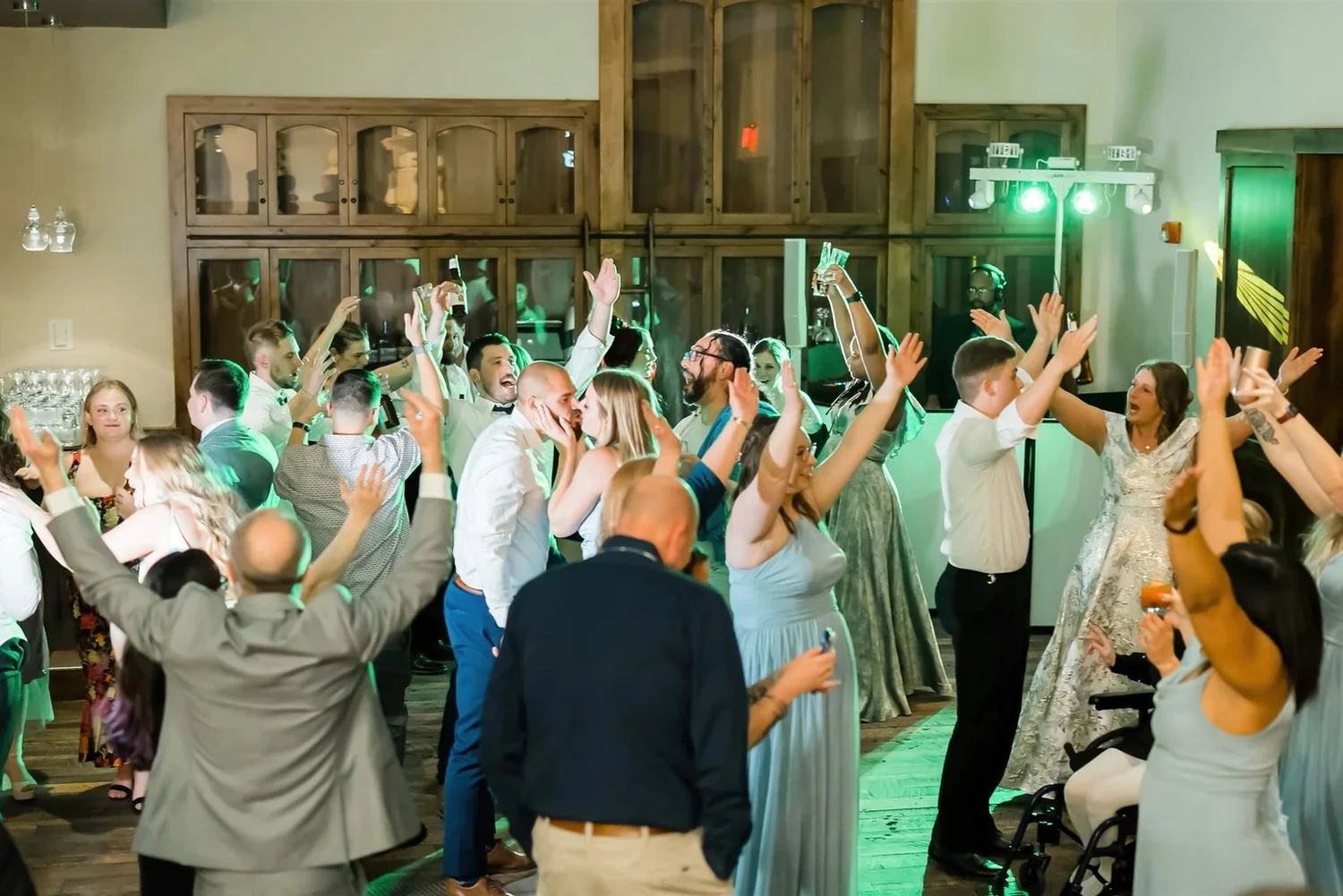
Prepare the handoff into the ceremony
Decide when the person who ran the procession can leave its setup. If the same DJ has another station at the ceremony, make room for the move and a quick readiness check. If a second operator is there already, give them the finish signal and the name of the person directing guests indoors.
Ask which part of the ceremony starts after the baraat and where guests should go. The procession sound and the ceremony sound may be operated by different people. Give both the planned handoff and tell the venue what access it needs to provide. If guests will wait at the entrance, decide whether there will be music during that wait and who controls it.
The planner can confirm that people who need to be present are ready before switching to the next cue. Give the DJ or ceremony operator the exact recording, the place to start it, and the person who gives the signal. This is especially important if the DJ cannot see the ceremony area from the end of the route. Assign ceremony aisle music cues.
Check weather, timing, and the final quote
If part of the route is outside, ask where the procession or welcome can move if the weather plan changes. Confirm how guests, music, and the dhol player would be guided indoors. Build in time for staff to communicate the change and prepare any equipment the alternative needs. Review an outdoor wedding backup plan.
Ask the DJ and production provider to write out the arrangement for the route and for the ceremony or reception. Confirm equipment, operating hours, staff, and when the assets move or are removed. If a separate provider handles the mobile audio, identify who coordinates them with the venue and the other performers.
A hypothetical Central Ohio procession
Imagine a couple planning a short baraat from a courtyard to the ceremony entrance. Their venue approves the route and helps select a space where guests can gather. The DJ, dhol player, and planner agree on the music and how the group will begin. The ceremony audio is already set up in its own location.
The planner signals when the group is ready, the music follows the agreed setup, and the operators know where to finish. If the venue moves the welcome inside, the planner uses a shorter approved plan with the sound and guests already in the correct place. The family’s traditions guide the event. The vendor team turns those choices into a route, sound plan, and sequence they can carry out.
I’m Christopher “DJ iShine” Summers. If your Columbus wedding includes a baraat, send your ceremony locations, route, performer plans, and venue requirements. We can discuss the DJ and sound coverage appropriate for the event and where additional production support may be needed. Share your wedding music and sound plans.