
Wedding DJ and Saxophonist in Columbus: How to Plan a Live Set Together
By Christopher “DJ iShine” Summers · iShine Music Production
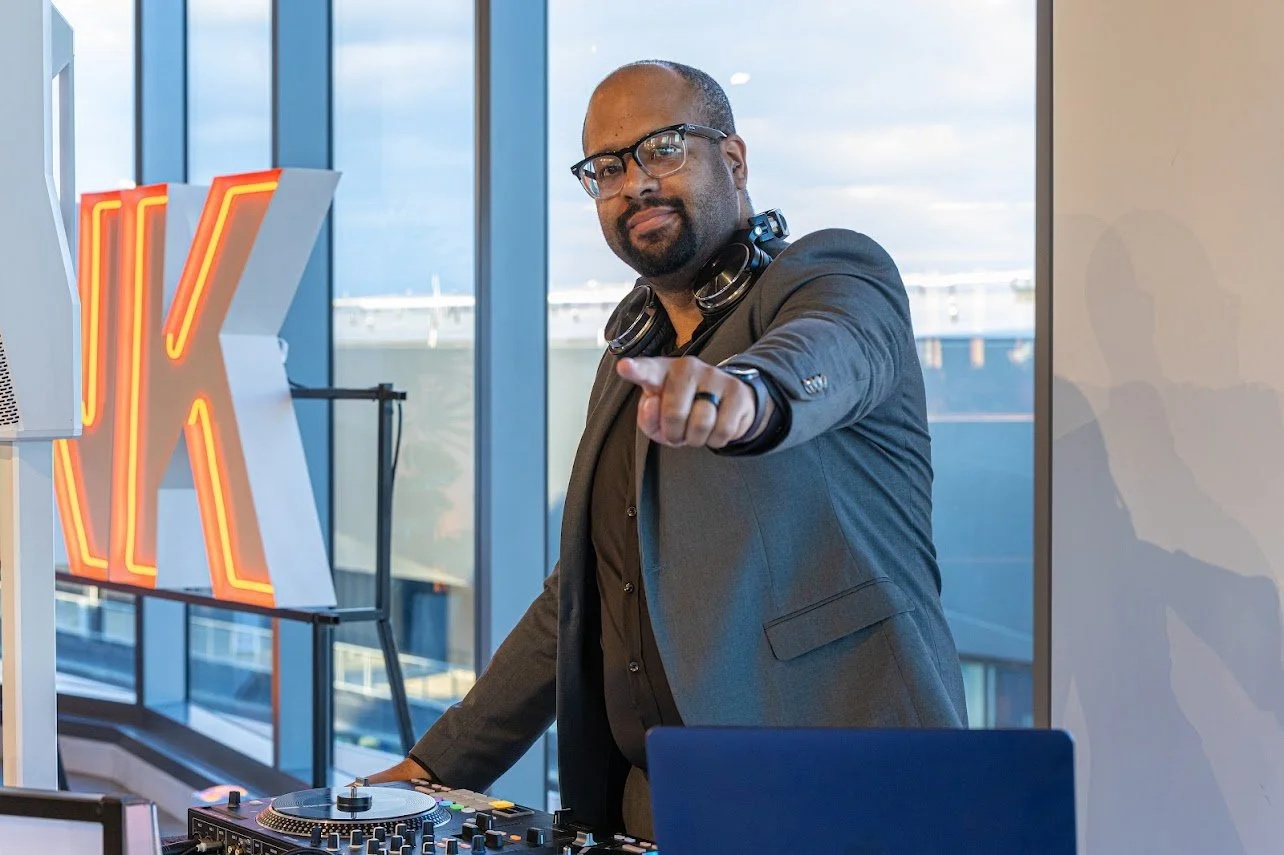
A saxophonist can step onto the dance floor during a DJ set and give a familiar track a live moment. The same idea can also create awkward silence if nobody knows which song comes next, how the musician will hear it, or who is controlling the microphone. Plan the musical arrangement and the sound arrangement together.
For a Columbus wedding, ask the DJ and saxophonist to talk directly before you book the combined set. Share the room, guest size, and part of the day you have in mind. You can choose the feel and the featured songs while the professionals decide which setup supports them.
Pick a moment that fits the way you want to celebrate
A sax set during cocktails serves a different purpose from a sax appearance during open dancing. At cocktail hour, decide whether the musician plays alone, plays with backing tracks, or plays alongside music the DJ selects. During dancing, think about how the performer enters and leaves the set and whether you want guests to be surprised.
A first dance feature needs closer preparation. Ask whether the saxophonist will play an arrangement over your chosen recording or perform a standalone version. Send both performers the same reference. If the couple will use choreography or wants a short ending, settle those cues before anyone works out a part. How to plan a shorter first dance recording.
Decide who chooses and starts the tracks
Identify one person who controls playback for the shared portion. The musician may bring approved backing tracks or work with the DJ on selections. Give each piece an exact recording, approximate run time, and transition plan. The DJ and player can decide what musical flexibility they have once those essentials are clear.
If the saxophonist improvises over dance songs, the performers still need to agree which versions are suitable. A club mix, radio version, and instrumental may begin in different ways. They may also have different arrangements that affect when a live part fits. Couples can share the songs they love and let both professionals work out the music over those references.
Confirm microphones, sound control, and monitoring
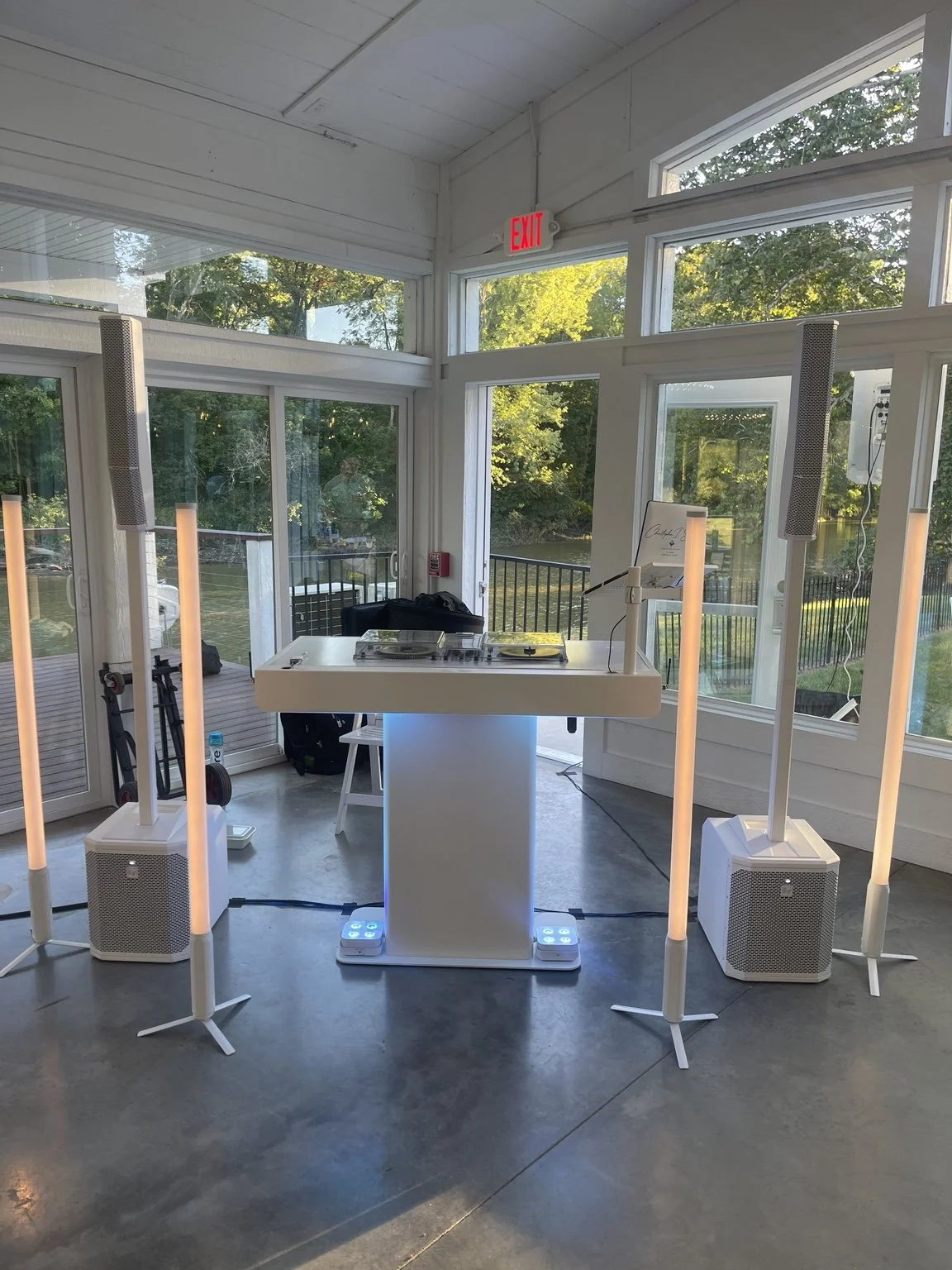
Ask how the musician will be heard. A saxophone may carry acoustically in a small cocktail space. A larger room or a dance set over recorded music may call for amplification. Have the saxophonist and DJ agree who supplies the microphone or other approved arrangement, what equipment they need to connect, and who sets the balance for the room.
Check what the musician needs to hear while playing. The sound at the performer’s position may differ from what guests hear across the floor. A useful soundcheck includes the actual track, the live instrument, and a person listening from the guest area. The audio professionals should decide how to route and test the setup. The planner can give them enough room and time to do it.
Ask how a roaming set would work in your room
Some couples picture the saxophonist moving among guests. Show the performers the dance floor, table layout, and route they can use. Ask where the musician will begin, which areas are practical, and who keeps aisles and server routes clear. Confirm whether the plan depends on wireless equipment or an operator with a fixed position.
A Columbus hotel ballroom, a tent, and a compact indoor reception room have different sightlines and access paths. The final layout tells you more than the room name or guest count alone. If the player will perform in more than one space, discuss the path and whether the sound plan changes with that move. DJ floor plan and sound placement guide.
Budget the time around the set
A fifteen-minute performance still needs arrival, preparation, testing, and a handoff. Ask the saxophonist when they need to arrive and who will meet them. Confirm how much time both performers need together before guests enter. If the reception uses the ceremony space first, ask when the team can test without interrupting another activity.
Put the set on the shared schedule and decide what can move if dinner runs late. If it is a surprise, the DJ and planner can plan a private signal to bring the musician into place. Tell photography and video when to be ready if the couple wants the entrance captured. Build a shared wedding timeline with your DJ.
Compare the full combined quote
Find out whether you are booking one provider that arranges the performer or making separate agreements. Ask who confirms each person’s hours, updates the timeline, and talks with the venue. Review what is included for sound support, cables or microphones, rehearsal, and extra travel or venue access requirements that apply to your event.
If you are booking independently, make one person responsible for confirming both service descriptions line up. It helps to write a plain statement such as “The saxophonist plays during the DJ’s reception set. The DJ provides the agreed audio connection. The musician supplies their instrument and arrives for a joint check at the agreed time.” Both professionals can correct that summary before it becomes a planning assumption.
Build a fallback for the track and the timing
Choose what happens if a track change, schedule shift, or equipment issue affects the live portion. The DJ can keep music flowing while the planner checks the next activity. The saxophonist and DJ can agree in advance which alternate song or simplified set they can play. Guests experience a planned transition while the team handles the change.
For a first dance, decide whether you would prefer the original recording if live support is delayed. For an open dance feature, decide whether the saxophonist can enter during a later song. Put the couple’s priority into the run of show so the right person can authorize a change without bringing the decision to the dance floor.
What a short collaboration plan could look like
Imagine a Central Ohio couple who wants the musician to join for the first three songs after the dance floor opens. The DJ and saxophonist choose the exact versions and discuss where the live section begins. The planner confirms that dinner and formal dances have finished. Once photography is ready, the planner gives the DJ the agreed signal to begin.
At soundcheck, the team tests a live part with the backing track and listens from the edge of the floor. The players know how to return to the regular DJ set. If the featured set has to shift, the planner lets the DJ and saxophonist know and helps them reset the cue. The team has a sequence and one person coordinating changes.
Questions to settle before the event
- Which part of the day features the saxophonist?
- Who chooses the recordings and controls playback?
- What does the musician need for sound and space?
- When can both performers test together?
- Who gives the start signal and handles changes?
- Who pays for any additional production or venue support?
- Who tells the photo team when the live set is about to start?
At iShine Music Production, I can discuss live musician options through event partners and the sound support your celebration may need. Share the musician, venue, and part of the wedding you want to feature so we can review what is feasible and price the agreed setup. Explore live music and production enhancements.