
How to Plan a Custom First Dance Mashup With Your Wedding DJ
By Christopher “DJ iShine” Summers · iShine Music Production
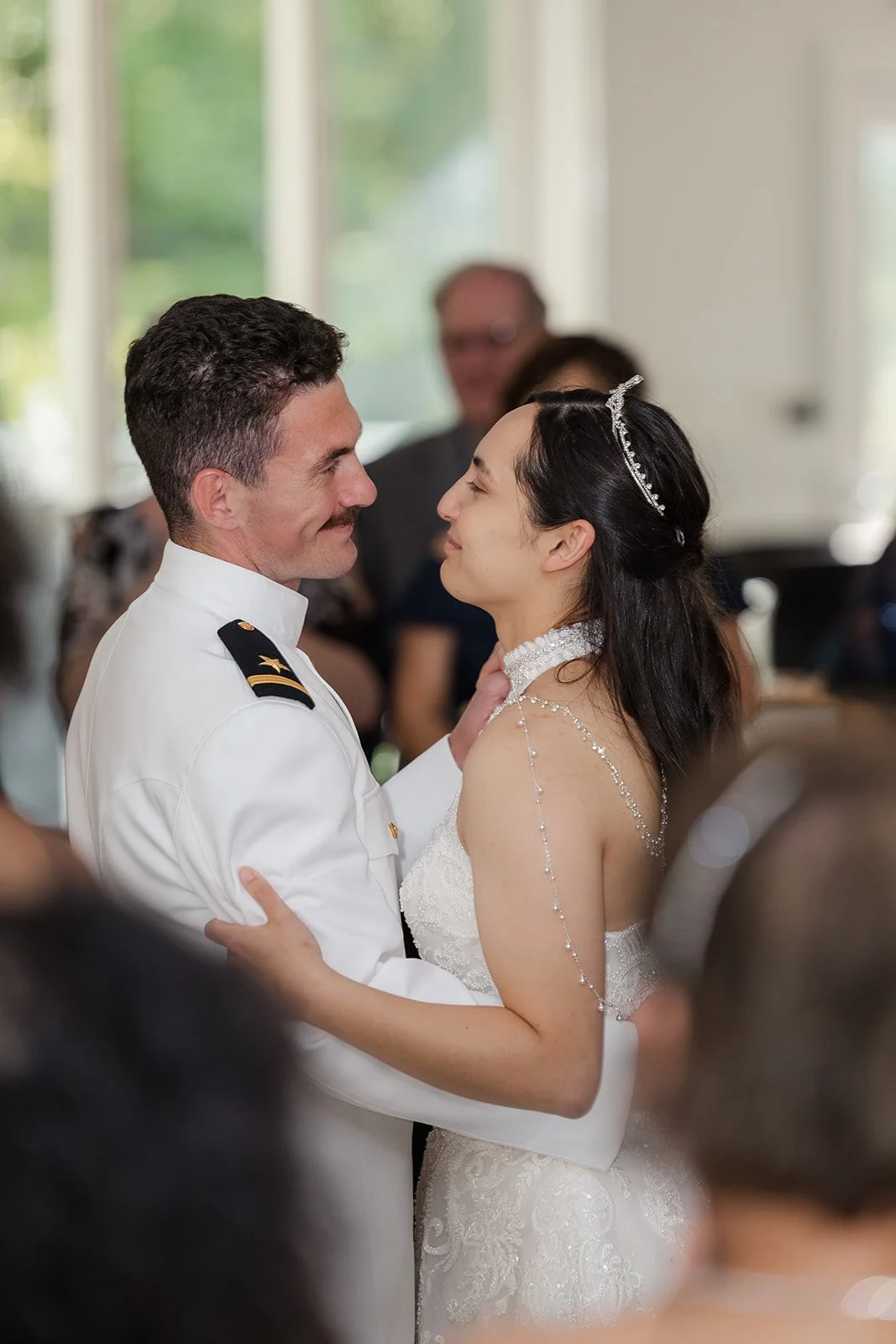
You want to start your first dance with a slow song, surprise guests with something faster, and finish on a cue you can practice. Ask your wedding DJ or audio editor about a custom first dance mix. Start with the exact recordings, the parts you want, the choreography or transition you have in mind, and the date you need the finished file.
A prepared mix lets dancers rehearse to the same sequence the DJ will play. Timing matters more if you have a choreographer, a planned lift, another performer joining, or a lighting change. Give everyone the final file and an approved cue for when it starts and ends.
Describe the story of the dance
Write a sentence about how you want the moment to feel. “Start quietly so we can have a slow dance, then use our favorite dance track to invite our friends in” is a useful brief. Explain which part is a surprise and who needs to know for planning. The DJ, planner, photo team, and other operators can prepare without telling guests the details.
Decide how you want it to finish. You could have a clear ending with a pose, an exit to a different track, or an invitation for people to join the floor. If the edit is meant to lead directly into a guest dance set, tell the DJ whether the file ends first or whether they plan to mix out of the final section.
Confirm each recording before an edit begins
Send the title, artist, and exact recording for every song. A radio edit might start differently from the extended version you heard or have different words. Listen to the parts you want and give approximate times. If a track needs to be clean, say which version you prefer. Ask the editor what source material they can use and how to provide usable copies you have permission to use.
You can start with a reference list. Give each song a purpose and the section you want to feature. For example, use the first verse of one track, the chorus of the next, and a recognizable ending from the final selection. Let the editor confirm which versions work and how they will identify the final recording. Confirm the correct first dance song version.
Mark the important choreographic cues
Ask your choreographer or dance partner which moments must line up with the music. You may need a set number of counts before walking onto the floor, a recognizable word before a turn, or a distinct ending so the photographer can prepare. Tell the editor which parts can change and which supply an actual dance cue.
Try a small cue sheet. Write “playback starts after we reach the center,” “keep the opening phrase,” and “we need a musical stop before the crowd joins.” These notes explain the action without expecting the editor to guess from a list of songs. If the choreography is already fixed, send the current practice reference through the agreed channel.
Talk through how the transitions should sound
An editor can discuss whether transitions should feel smooth, obvious, or deliberately surprising. A quick cut can be part of the performance. A longer blend may make the dance feel continuous. Ask how changes in energy, volume, or style will affect the person dancing and the person operating the sound.
Decide how much time you want to spend on each part. You can use three songs without playing most of each one. Ask for an edit that gives you enough time to enjoy the slow section and makes the quicker sections easy to recognize. For a single recording you simply want to shorten, a fade or shorter edit may be all you need. Plan a shorter first dance song.
Agree on the production timeline
Tell the editor when your dance lessons, rehearsal, and wedding happen. Ask how long it will take to get a first version and when to submit feedback. Confirm how revisions work and which file format the DJ and choreographer need. If your event DJ does not edit music, ask how they would receive and test an approved file from another producer.
Choose one person to collect revision notes. If one partner wants a longer intro and the choreographer needs a shorter first section, work that out before sending the changes. A list with time references is easier to review than several messages about different copies. Once approved, give the final version a distinct name and date.
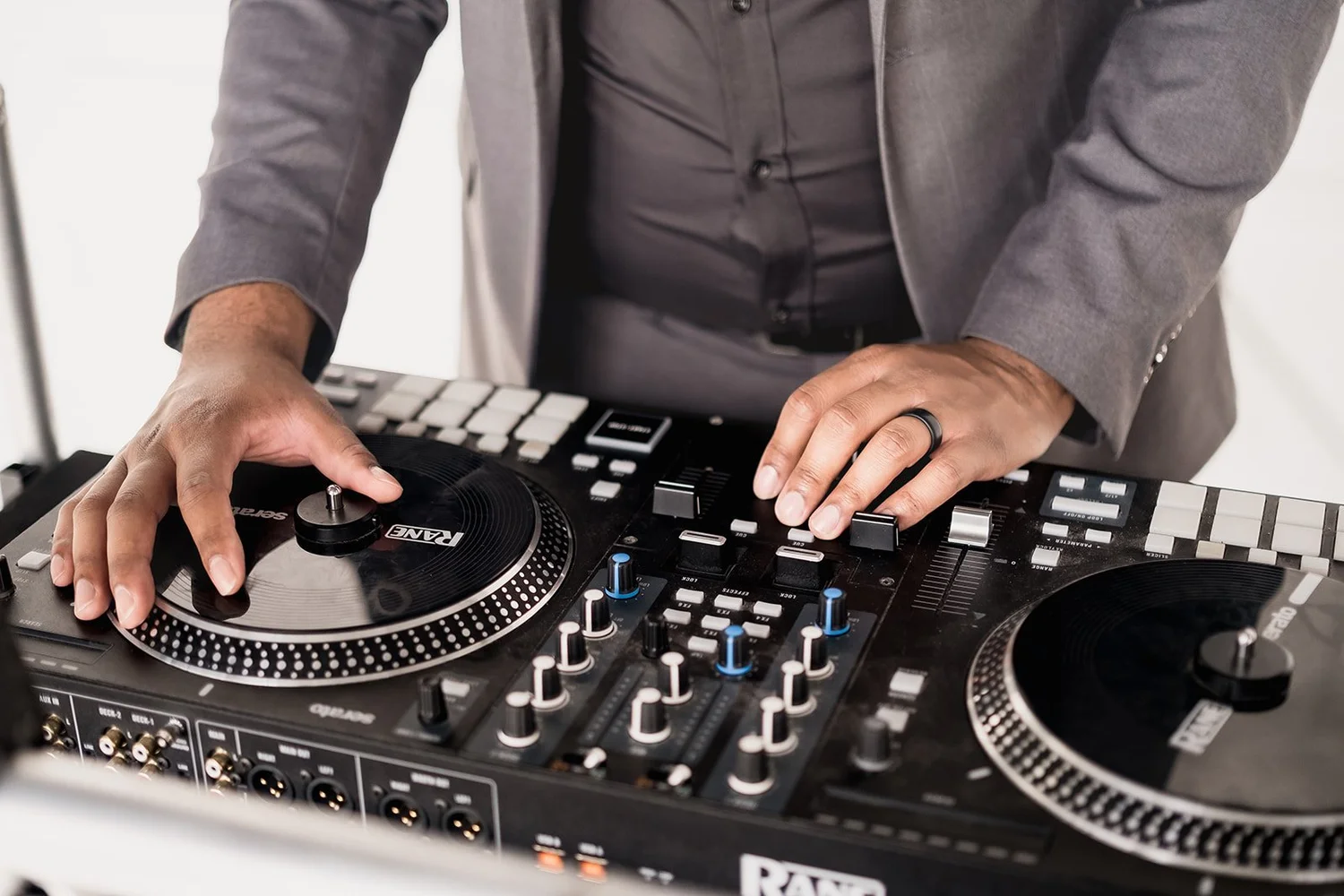
Rehearse with the file that will actually play
If you will enter the floor before the first count, ask the DJ to practice the announcement and playback together. The emcee may need to finish speaking while you walk into position. Give the DJ the cue you will use when ready and what should happen if the room is still moving. That protects the opening sequence you practiced.
Practice the full sequence with the final mix from the opening through the ending. Check where the music first becomes audible, how much time you have to get in position, and whether the last cue feels clear. If you need a small change, make sure the same corrected version reaches the DJ, planner, and whoever is helping you prepare.
Ask the DJ to test the finished file on the actual playback system before the wedding. Give them a backup copy through the approved method. Tell them whether to play the track from the beginning and which part of the timeline follows it. Confirm whether any public posting or video use is part of a separate agreement with the relevant people.
Give the photo and venue teams the timing they need
If you want the photographer to catch a particular turn or a guest joining the floor, share the general sequence. A time or cue helps them be in place. Ask the planner to check that the couple and photo team are ready before giving the DJ the signal to start.
If a lighting change or display is part of the dance, clear it with the venue and assign an operator. The DJ can coordinate the audio cue while the person responsible for lighting or video handles their part. Keep the name of the approved file in the run of show. Coordinate a first dance with your photographer and DJ.
A sample three-song mix plan
Imagine a Columbus couple who wants a short slow dance, a recognizable pop chorus, and a brief section where friends can join. They send the exact recordings and decide with their choreographer when they need each transition. The editor prepares a mix for review, and the couple tries it from the floor entrance to the final beat.
After they approve the file, they use it for every practice. The DJ tests it before the reception and the planner confirms the start cue. If the couple needs to simplify the dance, the team has a separate approved track and knows who can choose it. The prepared recording gives both the couple and vendors a shared plan.
At iShine Music Production, I offer custom mixes, music edits, and event audio preparation. Share your songs, timing, rehearsal deadline, and intended use so we can review the scope and the best way to prepare your first dance file. Explore iShine’s custom music and audio production.