
Hiring a Backyard Wedding DJ in Columbus: What to Check at Home
By Christopher “DJ iShine” Summers · iShine Music Production
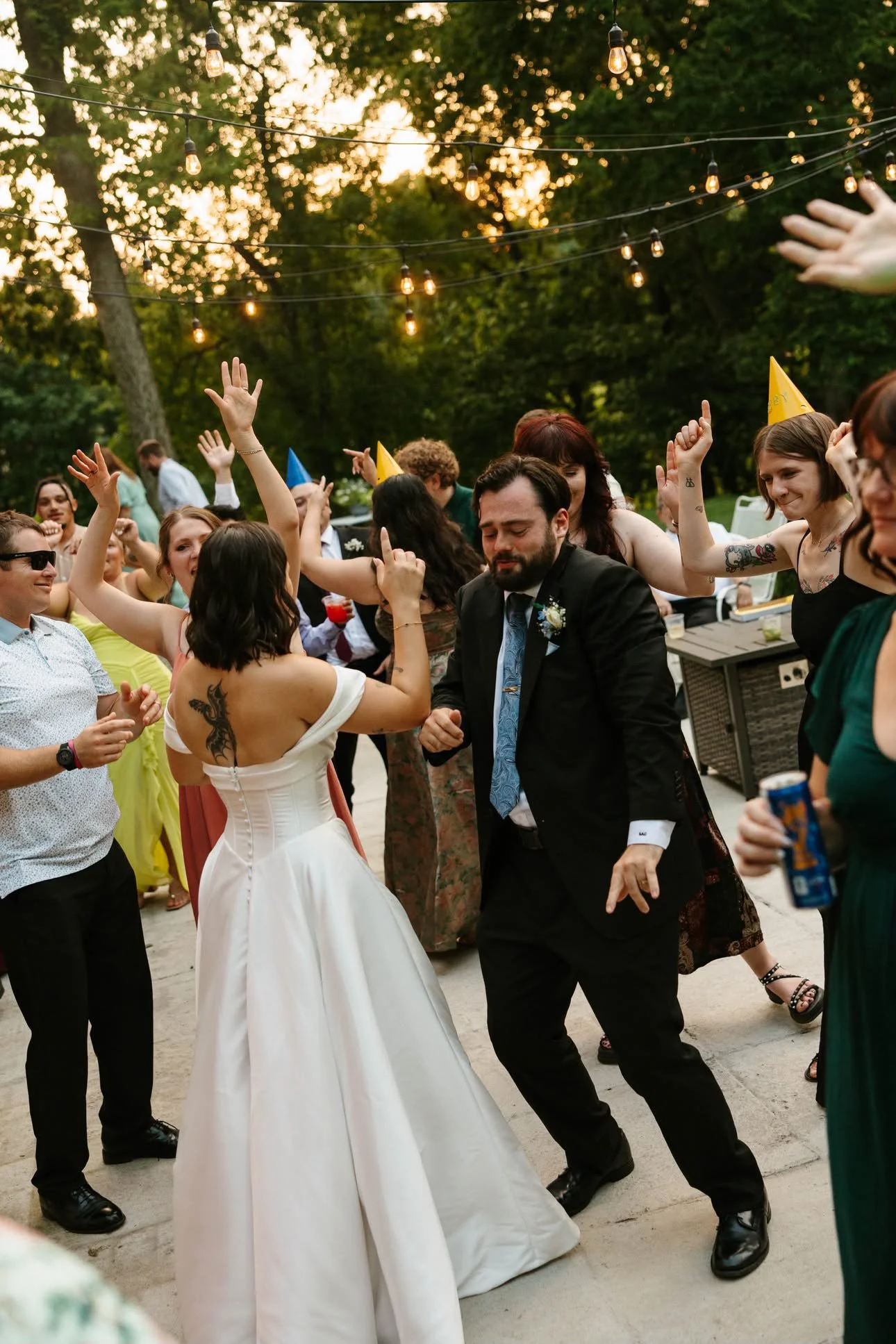
A backyard wedding gives you a familiar space to celebrate. It also puts decisions in your hands that an event venue usually handles. Before hiring a DJ for a home wedding in Columbus, check where equipment can go, how vendors reach it, who approves power and sound, and where the celebration can move if the plan changes.
Start with the people responsible for the property and a simple drawing of the yard. Mark the ceremony, meal, dance area, entries, restrooms, and the nearest neighbors. Give your DJ, planner, rental company, and property contact a copy. Look at the actual layout as a team before equipment or timing commitments are made.
Give the DJ the address and the full plan
Tell your DJ which parts of the wedding happen at the home, when guests arrive, and how many people you expect. If the ceremony is under a tree and the tent is farther back, each area may have a different sound need. Decide where guests will listen to vows, toasts, background music, and dancing. Identify who will host and how they will receive cues.
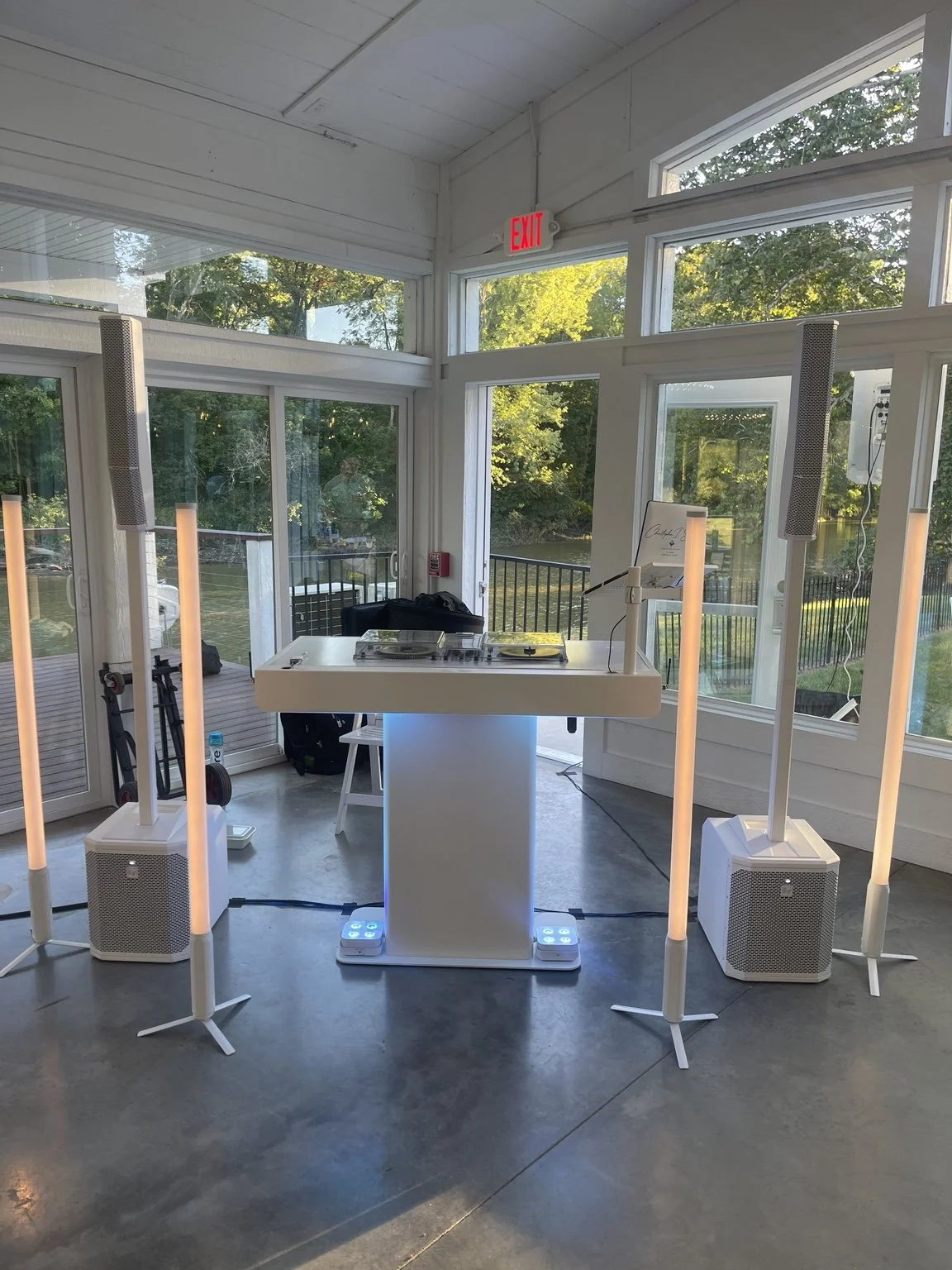
Ask the DJ to explain which spaces require separate equipment. A single reception system may do the job for dining and dancing in one tent. A ceremony away from it could require independent audio and someone to operate it. Use the site plan to check the agreement against the guest experience. Compare ceremony, cocktail, and reception sound setups.
Measure the usable route from the vehicle
Walk the route from unloading to each setup point. Mark the gate width, slopes, stairs, gravel, and turns that may affect cases or rental equipment. A short distance on a drawing may be difficult with a narrow gate and wet ground. Let the DJ and rental team review the real route before fixing arrival times.
Ask where vendors can park after unloading and whether another vendor needs the same driveway. A caterer, tent crew, and DJ can have separate vehicle needs. A planner can assign time and space for access so the people working at the home do not block each other or the guest arrival area. Plan DJ load-in and setup timing.
Have the power plan reviewed by the responsible professionals
Share a list of the equipment and vendors who need power, including catering, lighting, the DJ, and any climate equipment for rentals. Tell the DJ what approved access will be available in each part of the yard. The property owner, qualified electrician where needed, and equipment providers can decide whether the planned arrangement suits those needs and conditions.
Ask who will confirm that arrangement before the wedding and how the team will handle any concern on the day. The plan needs to account for the actual equipment, ground, placement, and weather. Let the people responsible for the electrical setup coordinate their requirements. For a ceremony far from power, ask the DJ to evaluate whether a suitable portable setup is available. Plan ceremony sound when outlets are far away.
Confirm the music rules for the property
Ask the property owner or planner to check the amplified sound, event, and neighborhood requirements that apply to the actual address. A Columbus-area mailing address and an address within Columbus may fall under different authorities. Confirm what applies before setting a final song time or promising a late dance party.
It can help to discuss the event with neighbors ahead of time, if the property owners want to do that. Give them accurate information about the date and who can be reached if a concern arises. A friendly conversation can help with expectations. Get any needed approvals from the responsible parties as part of the actual plan. Questions to ask about sound limits and music ending times.
Place sound around the guest area
Show the DJ where guests will sit and where they will dance. Ask how the system can provide clear speech and music inside that area. Discuss the direction and position of speakers with the people operating them. A working sound setup can focus on the places where guests need to hear it while keeping entrances, paths, and the rental layout usable.
Check microphone coverage from the seats farthest from the ceremony and dinner speaking areas. If you want people to hear vows and a toast clearly, arrange time for a check using the actual equipment and expected speaking positions. Give the DJ the updated seating diagram if the tent or tables change. Plan comfortable reception sound.
Make a weather plan for guests and vendors
Ask where the ceremony and reception can move if outdoor conditions are unsuitable. Review available shelter, guest access, and how many people it can accommodate. A tent can provide some cover, but the National Weather Service advises against using tents or open shelters for lightning protection. Review a suitable safety plan with the people responsible for the property and event. National Weather Service guidance for outdoor lightning safety.
The DJ also needs to know if an indoor alternative changes sound coverage or load-in. Confirm which location will be prepared and when the team will decide. Have one person tell vendors and guests about the change. A written plan makes it easier to coordinate without trying to move the entire reception after people arrive. Plan an outdoor wedding backup with your DJ.
Think about the finish as early as the start
Check where guests will park and how they reach the exit after dark. Ask who will tell them when music ends and how rides will work. The property contact can explain which paths and access points are available for teardown. Share that information with the DJ, caterer, tent provider, and event lead.
Review who will confirm the house and yard are ready for vendors to leave. The DJ should know where equipment can be packed and where the vehicle can be brought in, especially if guests are still walking nearby. The approved finish time belongs in both the DJ agreement and the shared timeline.
Have the homeowner appoint a site contact
A venue usually has someone on duty who can answer questions about doors, utilities, and which rooms guests can enter. Give your backyard wedding a similar contact. It can be a planner or a person the property owner has authorized to answer site questions. Share their phone number and availability with the vendor leads in advance.
Decide who can approve a move in the layout after the rental crew arrives. A change to the tent or dance floor can affect sound placement, lighting, and the route guests use. The site contact can confirm the change with the affected providers before it appears in the timeline.
A sample Columbus-area backyard plan
Imagine a couple who wants vows in the garden and dinner under a tent. The planner marks a gate for vendor access and keeps a driveway clear. The DJ reviews a separate ceremony setup and checks where the reception equipment fits. The electrical and rental providers discuss their loads and approved arrangements before the quote is final.
The family confirms the music end time, guest routes, and who will receive questions. An indoor alternative has a separate sound and seating plan. Before the wedding, the planner shares one current diagram and arranges time for a soundcheck. The work depends on clear ownership of the property, power, sound, rentals, and timing.
I’m Christopher “DJ iShine” Summers. If you are planning a backyard wedding in Central Ohio, share the address, layout, usable access, covered areas, and backup location. We can discuss DJ and MC coverage that fits your property and celebration. Ask about your date and backyard setup.