
Wedding Ceremony Sound Without Nearby Power: A Columbus Planning Guide
By Christopher “DJ iShine” Summers · iShine Music Production
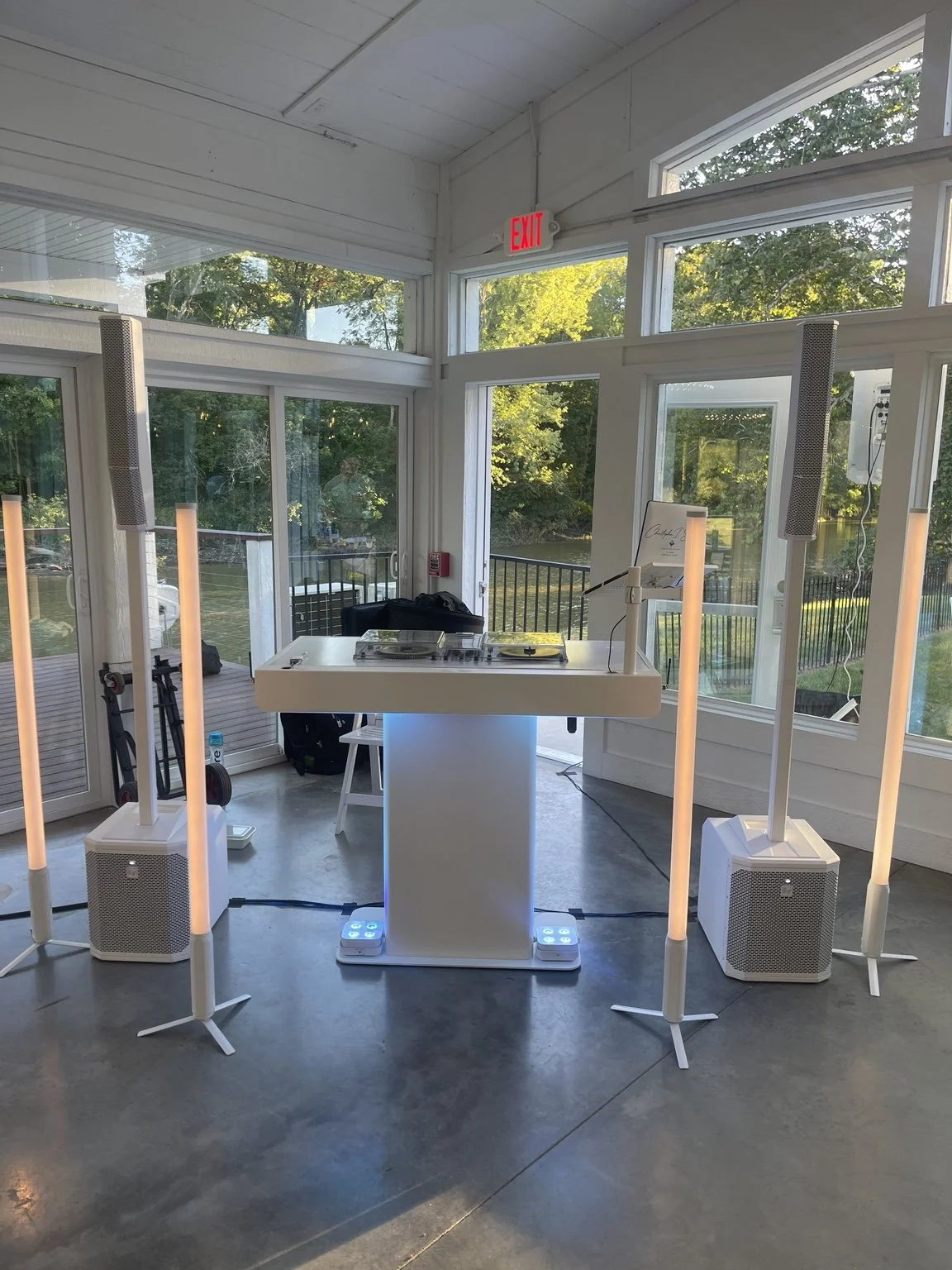
The ceremony site looks perfect, but the nearest outlet is far from the aisle. Before moving the ceremony or assuming a long extension cord solves everything, ask your wedding DJ to evaluate the location. Some ceremony sound plans can use appropriate battery-powered equipment, while others need a different approach.
For Columbus couples and planners, wedding ceremony audio without nearby power is a planning question that should be answered with the actual equipment and event in mind. Guest count, layout, microphones, operating time, and backup all matter. The phrase “battery powered” is only the beginning of that conversation.
Describe everything the ceremony needs to hear
Start with the audio requirements rather than a particular speaker. Will the system provide guest seating music, processional cues, the officiant’s voice, vows, readings, and a recessional? Is a musician bringing an instrument that needs amplification?
Tell the DJ who will operate the sound and which services are expected. Playing a few songs through a speaker is different from managing several microphones and precise ceremony cues. A complete description helps the professional propose a suitable system.
Our guide to outdoor wedding ceremony microphones can help organize the speaking requirements before equipment choices are finalized.
Share the location and seating layout
Give the DJ a diagram or clear description of where guests sit, where the officiant stands, and where the operator can work. Include distance from the building, access routes, ground surface, and any restrictions on placing equipment.
A garden ceremony in Dublin, a lawn near Marysville, and a courtyard in Columbus can present different practical challenges. Location names alone do not establish what equipment will work. The professional needs to understand the actual space.
If you can arrange a walkthrough or share photos, focus on useful views: the full seating area, the aisle, the speaking position, and the route equipment must travel. Attractive close-up photographs rarely answer those questions.
Ask about the complete battery-powered system
Find out which parts of the proposed system run on batteries and which still need another power source. A battery speaker does not automatically power a wireless microphone receiver, mixer, playback device, or every other component involved.
Ask the DJ to describe the complete operating plan in practical terms. The answer should cover music playback, microphone connections, control, and any additional power equipment. You do not need to specify the technical design yourself.
Also clarify whether the battery arrangement is already included in the proposal or requires a different service scope. Confirm the actual plan rather than relying on a general statement that the DJ owns portable equipment.
Base runtime on the full preparation period
The ceremony itself may be short, but the system can be in use before and after it. Guest arrival music, soundcheck, delayed seating, and the recessional all contribute to the operating period.
Give the DJ the earliest expected use and the latest reasonable finish. Ask how the proposed configuration is tested and what reserve or backup the professional plans for. A maximum runtime listed for one component should not be treated as a guarantee for an entire event system.
Avoid planning right up to an equipment limit. The DJ should evaluate the real configuration and expected use rather than having the couple calculate runtime from a product advertisement.
Do not assume a distant outlet is the simplest alternative
If someone suggests a long cable from the building, have the venue and qualified audio professional evaluate that option. The route may cross guest paths, create a handling problem, or conflict with the venue’s rules.
Couples should not be expected to supply an improvised electrical plan. Ask who is responsible for providing and approving any power arrangement. If an electrician or venue facilities contact is needed, identify that during planning.
The right answer may be a suitable battery system, a professionally planned power arrangement, or a different equipment location. Compare complete options instead of assuming the most visible outlet determines the whole design.
Give microphone testing its own place in the schedule
Ask when the officiant and any other speakers should be available for a check. The microphone needs to be tested in the actual ceremony positions, with the way it will be worn or held in mind.
The DJ also needs to confirm that guests can hear the intended content without creating an awkward equipment placement. A successful test beside the booth does not answer every question about a speaker standing farther away.
Agree on who helps with those checks and when they happen relative to guest seating. For more planning questions, read the ceremony and toast sound guide. Preparation is easier while the space is available and the team can communicate directly.

Confirm playback and cue responsibility
The sound system still needs the correct recordings and someone ready to start them. Confirm the exact versions, the processional sequence, and the person signaling when each entrance begins.
Ask how the DJ prepares the agreed music for the ceremony location. If a plan depends on a guest’s phone or an internet connection, discuss the practical implications before the wedding. The couple should know who is responsible for supplying the tracks and controlling playback.
An isolated ceremony location makes clear cue ownership especially important. The operator may not see the wedding party waiting behind a building or around a corner. One designated cue contact can connect those spaces.
Keep weather planning separate from power planning
A battery system changes how equipment receives power; it does not resolve rain, wind, heat, or other operating conditions. Ask the DJ about equipment protection and the venue about the event’s weather procedures.
Confirm the indoor or alternative ceremony sound plan as well. If a move changes the layout, the microphone arrangement and music cues may need adjustment. Everyone should know which location decision controls the final setup.
Our outdoor wedding rain-plan guide covers decision ownership and vendor communication. Treat the power plan as one part of the broader ceremony plan.
Ask what happens if a component fails
Discuss the practical backup process for music, microphones, and power. The answer should relate to the proposed system and location. A spare device in a vehicle is more useful when the team knows how it can be reached and put into service.
Ask who handles an interruption and how the officiant or planner communicates with the DJ. The ceremony team can agree on a calm pause or transition if needed, instead of several people trying to solve the same problem in front of guests.
No equipment plan eliminates every possible interruption. Clear preparation and an understandable response process help the team manage the options available.
A hypothetical ceremony power review
Imagine a Central Ohio couple planning a ceremony on a lawn away from the reception building. They share the seating layout, guest arrival time, officiant microphone needs, and processional sequence with the DJ.
The DJ evaluates a suitable portable configuration, confirms the full operating period, and explains the backup approach. The planner includes a microphone check before guest seating and confirms the alternate indoor location with the venue.
The couple does not need to design the system. Their contribution is accurate information and approval of a clearly described service plan.
Ceremony sound without nearby power checklist
- List all music, microphone, and musician requirements.
- Share the actual seating layout and equipment access route.
- Confirm the complete system’s power arrangement.
- Include soundcheck, guest arrival, delays, and departure in the operating window.
- Ask about tested runtime, preparation, and backup.
- Assign music playback and entrance cue responsibility.
- Review weather requirements and the alternative location.
- Confirm what is included in the written proposal.
Frequently asked questions
Is a battery speaker enough for a wedding ceremony?
It depends on the complete event requirements and equipment. Ask the DJ to evaluate music control, microphones, coverage, and runtime together rather than assuming one speaker answers every need.
Should we rent a generator?
Do not book one solely because an outlet is distant. Let the venue and qualified professionals assess the appropriate power options and any requirements. The ceremony may have another workable solution.
Ceremony planning with DJ iShine
At iShine Music Production, I personally handle music planning, live mixing, and MC duties. Explore Columbus wedding DJ services or share your date, venue, and ceremony location. We can discuss the sound requirements and confirm the appropriate coverage in your proposal.