
Is a Silent Disco Right for Your Columbus Wedding?
By Christopher “DJ iShine” Summers · iShine Music Production
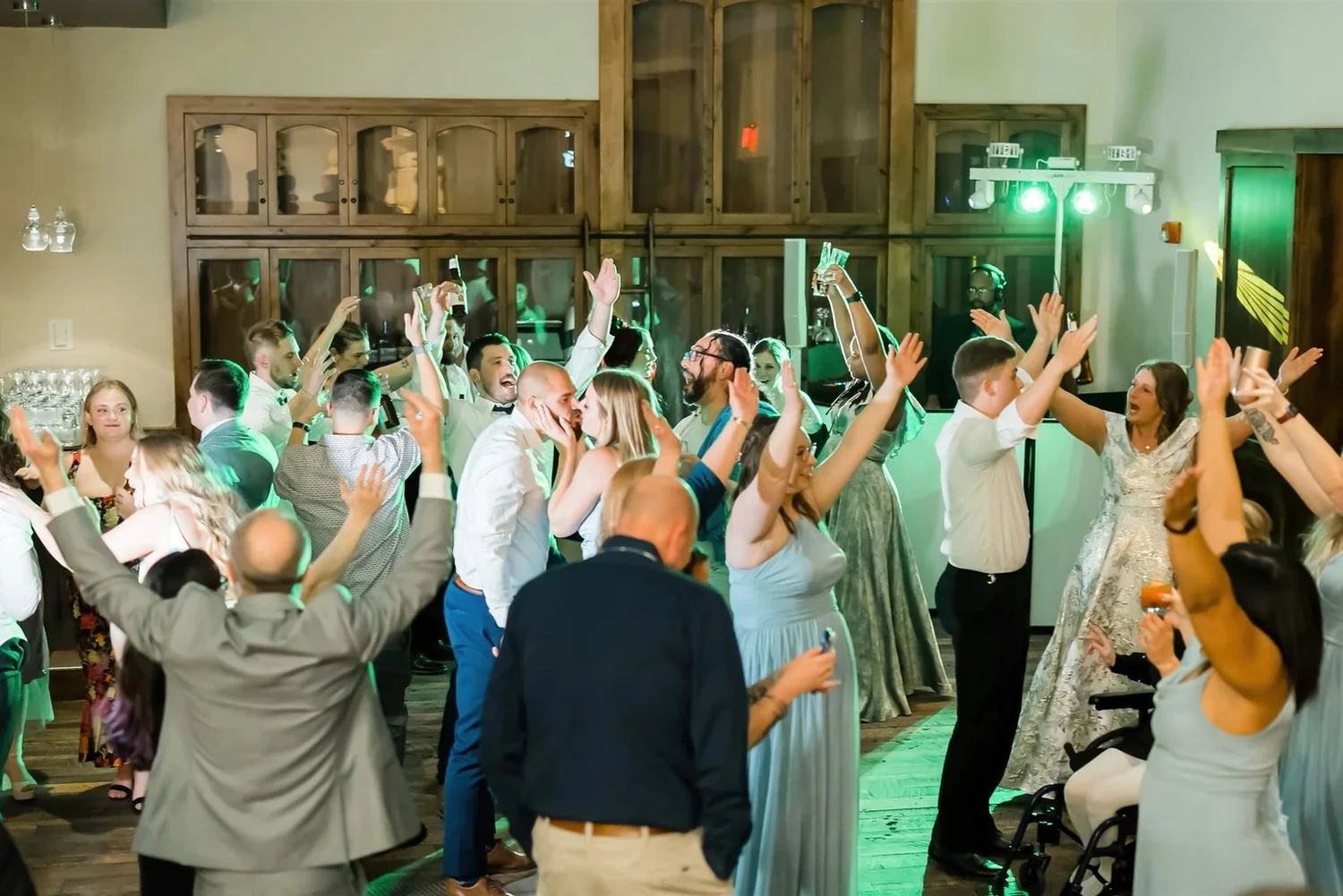
A silent disco gives guests headphones so they can hear the dance music directly. It may suit a Columbus wedding if you want a change of pace, several music options, or a way to keep the dance floor separate from the main room’s speaker sound. Before you book it, confirm how people receive headphones, who runs the channels, and how guests hear announcements.
Think of the silent disco as its own segment. Your ceremony and toasts may still need a regular sound setup. Guests without headphones may need a way to follow the program. The venue must approve the arrangement, and the planner needs a clear start and finish for the equipment and music.
Decide which part of the wedding uses headphones
Some couples want normal reception audio for dinner, speeches, and formal dances, then move into a headphone set. Others prefer an optional dance space while people continue to talk elsewhere. Choose where the disco belongs and tell the DJ how you want it to begin.
Ask the venue what it permits for the headphone setup and the rest of the wedding. Check the final operating and departure times, including whether the room is open for the planned hour. The venue can explain any requirements even if dancing uses headphones. Plan around venue audio rules and close times.
Ask who supplies and runs the equipment
A provider may supply headphones and transmitters, a local operator may run music, or a vendor may provide a staffed service. Ask what your proposal includes. Confirm which person manages the equipment, how it is prepared, who helps guests, and how people return it at the end.
If your reception DJ will also run the headphone set, ask which equipment needs to be added and who will operate it. If another company handles the silent disco, introduce it to the DJ and venue. Both teams should know how the reception audio ends and how the headphone segment begins. Compare coverage for the different parts of your wedding.
Plan the channels with the crowd in mind
Ask how many music options you want to offer. A single channel can give the group one shared set. Different channels might let guests choose from dance music, throwbacks, or another style. Ask whether each channel will be mixed live, run as an approved prepared set, or be operated another way. Confirm who supplies and approves the music for each.
Give guests a simple way to choose. A sign or short explanation can identify the available channels and help people adjust volume. Ask the rental or production provider to show the planner how the headphones work. Give the DJ the event-day contact who can solve a listening or equipment issue without stopping the next scheduled activity.
Confirm distribution, returns, and extra headsets
Ask how many headsets you need based on the group and how many you want ready as spares. Find out who checks equipment before guests arrive and who helps if a headset needs replacement. Ask the provider about the handling and cleaning process and how returns are counted.
Choose a distribution point that guests can find without blocking entrances or the dance floor. If you want to collect headsets before the final announcement, tell the planner how the sound changes and when the collection starts. Confirm any rental terms for missing equipment and where the provider expects to collect the returned set.
Confirm how guests hear essential announcements
A silent disco changes who can hear the DJ. Some guests may be listening to a channel and others may be seated without headphones. Decide which announcements people need during that period and how the host will reach them. The planner may be able to direct guests in person or choose a brief pause to share an update.
Ask how the team would handle a venue announcement and make sure the venue is comfortable with the plan. Give all operators the approved event contact and a way to reach each other. If the room has a speaker system for essential announcements or formal activities, check with the vendor about who can use it. Plan clear reception microphone coverage.
Make it easy to participate in different ways
Ask the provider and venue what the listening experience will be like for your guests. Some people may prefer to dance for a short time, use a lower volume, or spend time in a conversation area. Make sure people can move into and out of the dance space and get help choosing a headset setting. Ask guests directly about any access needs and coordinate with providers who can meet them.
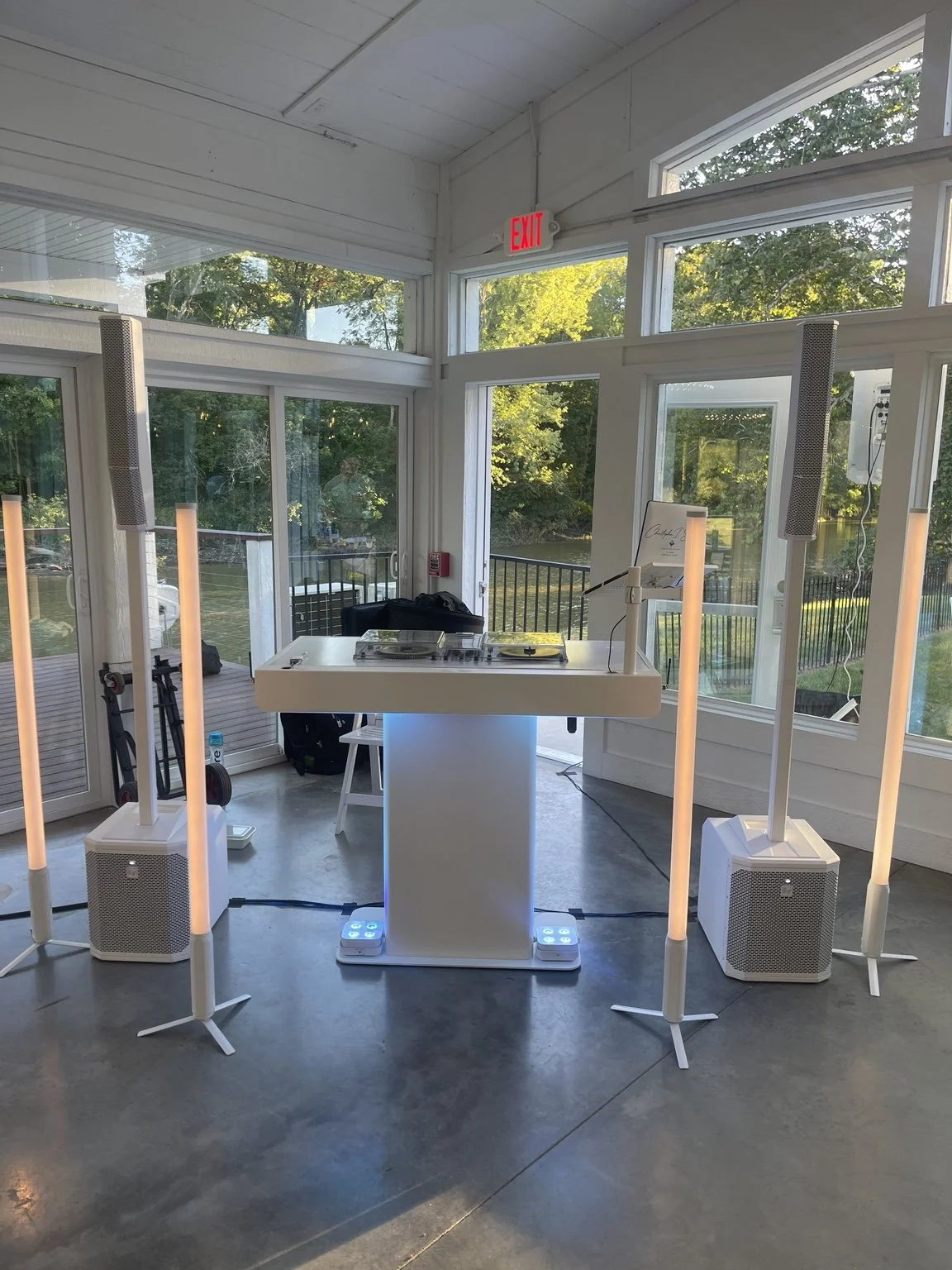
Keep the area lit and usable for people collecting or returning equipment. Consider where the DJ can see the crowd, where staff should stand, and which pathways need to stay open. A floor plan can show how people enter, listen, and rejoin the rest of the group. Plan DJ and dance floor placement.
Test the actual room
Have the operator check each planned channel and the headset supply before the segment begins. Test listening in the places guests will use, including the edge of the dance floor. Check who can switch sources and what the DJ will play if one of the music options is unavailable.
Rehearse the change from room sound to headphones. Decide when the MC introduces the activity, where people will collect headsets, and whether the first track starts at a particular moment. For the finish, choose who tells guests to return the equipment and who can give transportation or closing information. Share one timeline with the DJ and planner.
Compare the complete cost and operating plan
Ask for a quote showing headset count, transport, setup, staffing, operating hours, and pickup. If the venue requires its own technician or an additional sound setup for announcements, account for that separately. A rental price by itself may leave work for the couple, planner, or venue to arrange.
Compare that scope with the reception option you are considering. You might want one central dance area with room speakers, an optional quiet dance space, or a headphone set after a conventional DJ set. Ask who handles each transition and what equipment the venue lets you use. That comparison tells you how much help the plan needs and whether it fits the guest experience you want.
A hypothetical Columbus silent disco plan
Imagine a couple uses the room system for toasts and its first dance and plans an optional silent disco after desserts. A production partner prepares the headphones and a dedicated attendant helps guests. The DJ and partner agree on the music channels and when to switch over. The planner confirms the room and collection spot with the venue.
The MC gives a brief explanation before the disco starts and directs guests to the pickup table. People can dance or stay in the conversation area. At the agreed stop, the planner and operator collect the headphones and the DJ gives the final approved directions. The reception has a clear shape because the venues, equipment staff, and entertainers know their parts.
At iShine Music Production, I discuss music, sound, and MC coverage around the event you are planning. If a silent disco is on your Columbus wedding timeline, share the venue and any headphone provider you are considering so we can review how to connect it to the reception. Discuss your music and production needs.