
Will Your Venue Allow Dancing on a Cloud at Your Columbus Wedding?
By Christopher “DJ iShine” Summers · iShine Music Production
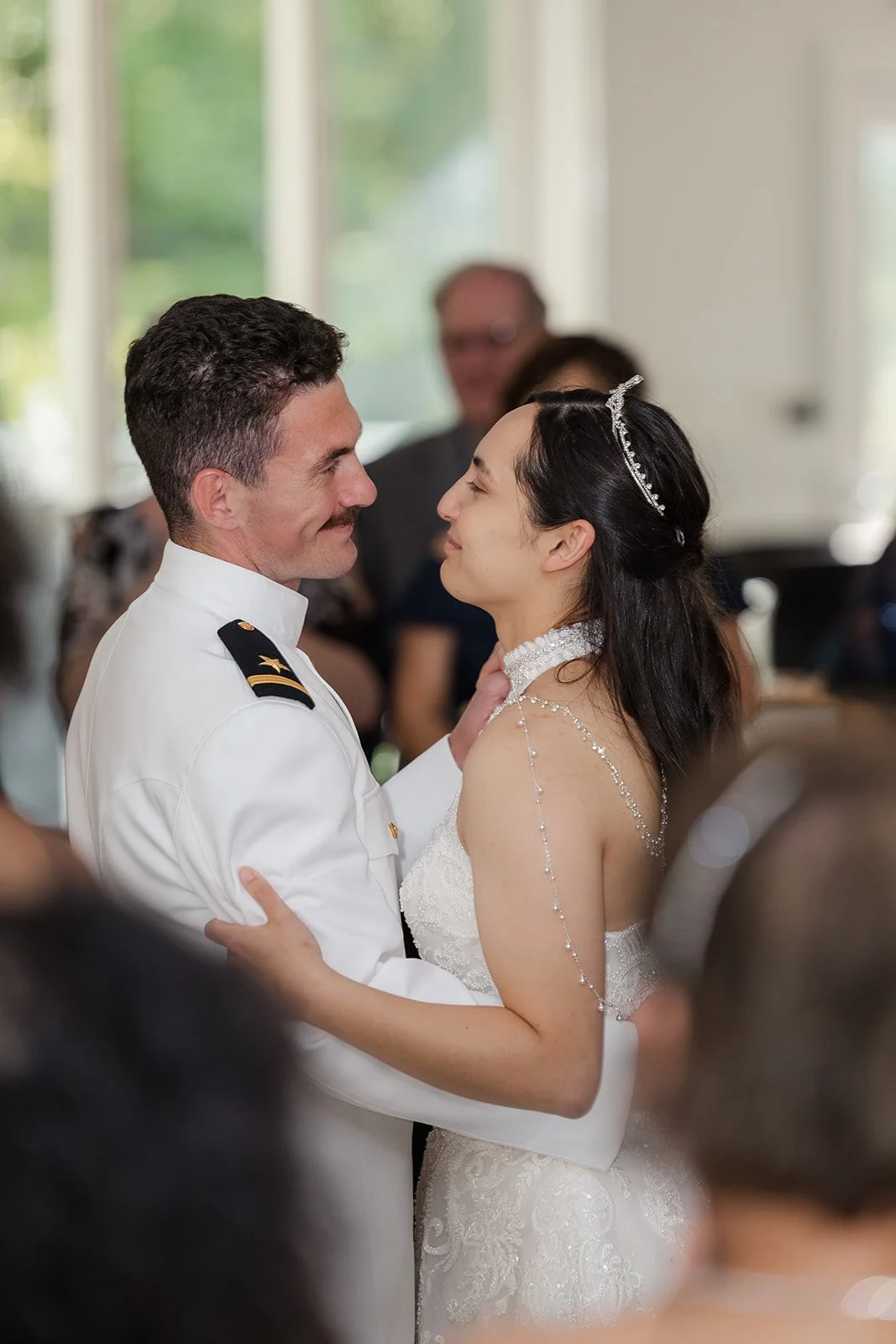
You want a low cloud around your first dance. Before adding the effect to your Columbus wedding, ask the venue if it allows the actual equipment and arrangement your provider proposes. Get the answer in writing, confirm who can operate it, and prepare the same dance with a lighting and music plan that works on its own.
“Dancing on a cloud” is often used to describe a visual effect rather than a particular device. The venue, provider, and planner need a more specific description. Share which moment you want, where guests and equipment will be, and when the effect should start and end. The DJ can help align the music with the moment after the venue and operator confirm the details.
Ask about the venue’s actual policy
Contact the person responsible for event approvals. Ask what effects are allowed in your booked room and who reviews the request. If the venue says “no fog machines,” send the proposed provider’s description and ask them to clarify whether that rule applies to the arrangement you have in mind. Let the venue make the determination.
Do this before you pay to add the effect. Confirm whether the venue needs a provider application, insurance documents, a demonstration, or review by a particular person. Ask for any requirements in writing. Policies can differ across rooms and dates, and an old photo of the venue does not tell you which equipment is approved for your event. Review how Columbus venues approve outside entertainment.
Let the provider explain the equipment for review
Ask the effect provider to give the venue the equipment description, its intended location, and the proposed operating plan. Give the venue a direct contact for questions. The venue and qualified operator should decide whether the arrangement fits the space and any applicable requirements. Ask which approvals or safety checks must be complete before the effect is used.
The performer and venue should manage any equipment or building safety questions through their own procedures. Let the operator confirm what they can deliver with the setup and venue conditions. If the venue declines, pick a visual alternative that fits the approved room plan. You can keep the music and dance even if the effect changes.
Confirm who is responsible for operating it
Find out whether the effect is offered by the DJ, a separate production company, or a venue provider. Even if it appears in a DJ package, ask who sets it up, operates it, and clears the equipment afterward. The person running the music and the person running the effect may need different positions and timing.
Ask the planner to introduce the provider to the DJ and venue. Give each person the actual times, room access, and expected cue. If only one person is proposed for music and the effect, ask how they will be ready for both at the same moment. A named operator is easier to coordinate than a promise that an effect will be available.
Check the dance floor and guest paths
Show the operator the layout and the place the couple will dance. Ask where the equipment will sit, how it affects the paths guests and staff use, and how the photographer can get the view you want. Have the venue review the placement and how guests move around the room during the dance. Give the team a chance to address questions about visibility and access.
Tell the planner whether guests are invited onto the floor after the dance. If an effect or equipment will still be present, ask when the operator and venue will confirm that the space is ready. The DJ can hold the invitation until the planner gives the cue. Plan DJ and dance floor placement.
Put the effect cue in the music plan
Share the exact recording and whether it is shortened or combined with another track. Tell the operator where the effect should begin and which person gives the go-ahead. Do you want it at the start of the dance, once you reach a particular part of the floor, or before a planned photo? Your DJ and planner should have the same timing information.
Ask the venue when the team can review and test the approved setup. If photography wants a particular angle or moment, give them the cue without rushing the start. Let the operator explain which timing is realistic, and choose a clear way for the planner to confirm everybody is ready. Coordinate the first dance with your DJ and photographer.

Decide what happens if the effect is unavailable
Ask which alternative you would enjoy. You might keep the same song and have steady uplighting, use the venue’s existing lights, or plan a favorite photo angle. Ask who controls the alternative and when they need direction. An agreed plan lets the team start the dance without waiting for an effect that has not been approved or cannot be used.
If you already paid for the effect, ask the provider in advance how a venue denial or decision to skip it would affect the quote. Get the answer in the written proposal. Costs and options depend on the arrangement. Give the planner the authority and information to use the approved fallback if they need it. Review what wedding uplighting can add to the room.
Let people know what the team has planned
If guests ask about an effect or have a comfort or access concern, give them a contact who can explain the actual room plan. The planner or venue can answer questions without singling anyone out. Share only the information that is necessary for the vendors to run the event.
Confirm that the approved plan reaches the person opening the room, the vendor operating the effect, and the person responsible for the schedule. If a different operator arrives, ask the provider to carry over the agreed requirements and cue. Put the alternative in the same timeline so the DJ can keep the dance moving.
A hypothetical Columbus first dance
Imagine a couple asks to add dancing on a cloud. The venue reviews the exact proposal and gives its written decision. If approved, the planner coordinates the operator’s setup, the photographer’s position, and the DJ’s music cue. Before the moment begins, one person checks readiness and lets both operators know when to start.
The couple also approves a simple lighting alternative. If the effect does not happen, their DJ has the same recording ready and the photo team knows where they will be. The couple can enjoy the first dance they practiced. The team has made a decision about the visual effect without leaving the timing unclear.
Confirm the details before adding it to your plan
- The exact proposal and the venue’s written approval for the room.
- Who provides, operates, and removes the equipment.
- The effect location, clear paths, and timing for the test.
- The first dance recording and cue owner.
- The approved alternative, and how any cost change is handled.
- The person who confirms the floor is ready for the next activity.
I’m Christopher “DJ iShine” Summers. If your Columbus wedding includes a planned first dance effect, share the provider and venue requirements while we review your music. We can coordinate the audio cue, first dance timing, and backup with your planner. Discuss your first dance music and wedding date.