
Can You Bring Your Own DJ to a Columbus Wedding Venue?
By Christopher “DJ iShine” Summers · iShine Music Production
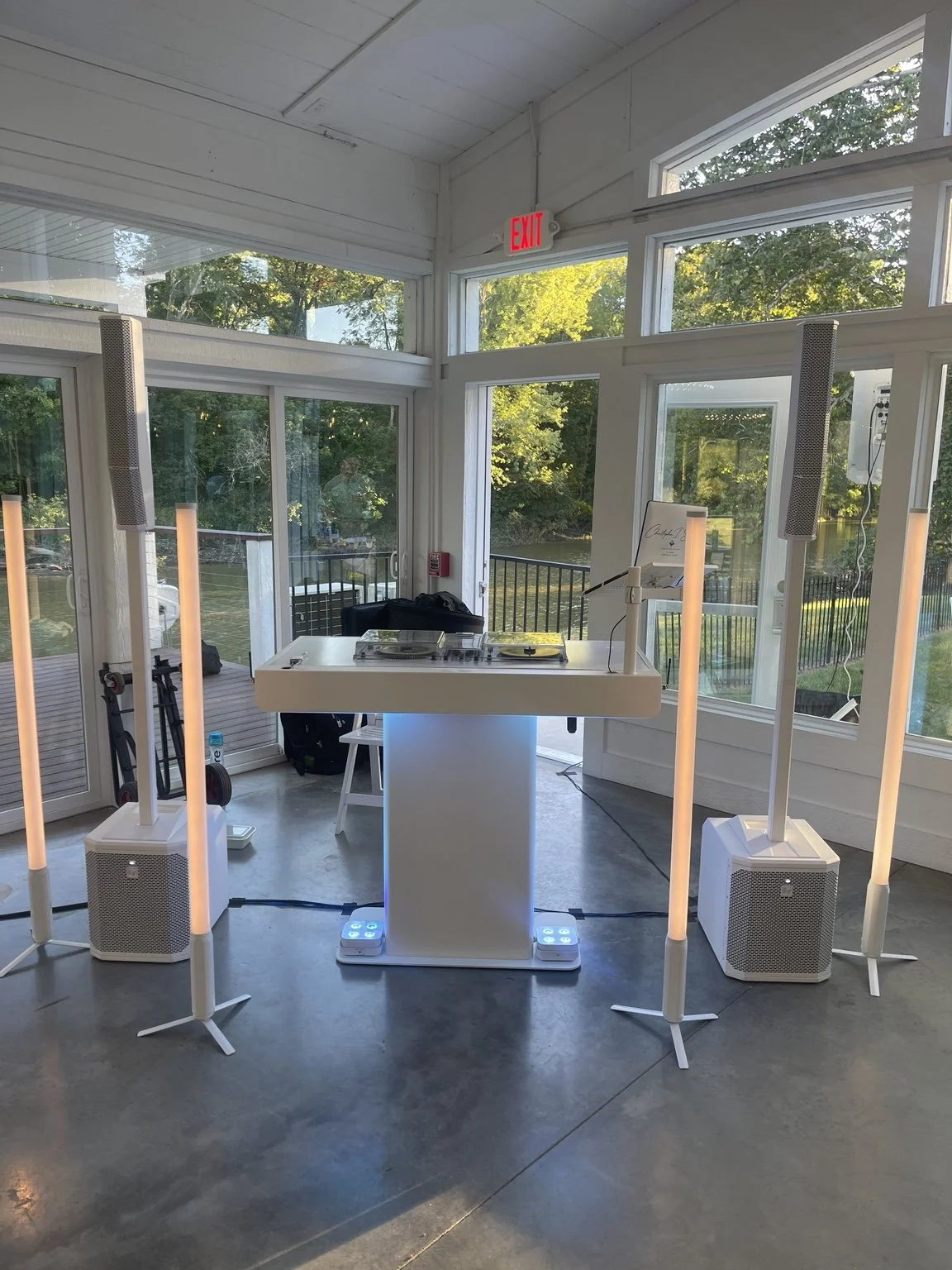
You find a wedding DJ you love, then see a list of preferred entertainers in your venue packet. Can you bring in your own DJ? The venue’s written policy will tell you. A list can be a recommendation, a list of already approved vendors, or a requirement to choose from certain providers. Ask how it applies to your exact event before you book entertainment.
This question comes up in Central Ohio because receptions happen in all kinds of spaces, from full-service ballrooms to private event rooms and properties with separate outdoor areas. The rules may differ by room and activity even at the same venue. A short vendor approval conversation can prevent paying for a DJ or a package you cannot use as planned.
Ask the venue how to read its list
Send the coordinator a direct question. “Is your DJ list a recommendation, or do we need written approval to hire someone outside it?” Ask for the most current vendor policy and the name of the person who can say yes. If approval is possible, ask what the venue needs from your DJ and when the application or documents are due.
An exclusive list means your choices are governed by that venue’s terms. An approved list may mean other vendors can apply. A recommendation often gives you a useful starting point for interviews. Ask for the written rule even if you heard a friendly “that should be fine” on a tour. You want the approval to match your contracted property, event rooms, and intended services.
Describe the coverage you actually want
A venue might allow a DJ in the reception room and apply a separate rule to a lawn, patio, or ceremony space. Give the coordinator a clear picture of the sound you want. “We need a microphone for vows in the courtyard, background music on the terrace, and an indoor DJ and MC for dinner and dancing” makes the scope easy to review. Mention uplighting, live musicians, or a photo booth if you are considering them.
Ask which room policies apply to setup, sound, and end times. A stage area or open ballroom floor may be an approved spot while another part of the property has a different arrangement. Put the names of each location into your request. You can share the answer with your prospective DJ and update the scope before anyone assumes the entire event is covered.
Find out how approval works
Some properties want a certificate of insurance, a copy of a floor plan, or a direct conversation with the entertainment provider. Others have specific access instructions, an on-site technician, or equipment restrictions. Ask for the venue’s own checklist so your DJ can respond to the correct request.
Give your DJ a contact and deadline. For insurance, forward the venue’s exact instructions to your DJ and ask the venue to confirm it accepts whatever is submitted. A certificate, agreement, or fee may be part of a particular venue’s process. Specific requirements and deadlines vary. The guide to wedding DJ insurance and COIs offers questions for organizing that exchange.
Know how an in-house DJ package is priced
If the venue includes entertainment, review the description of that service with the venue and the person who would perform. Ask which hours and rooms are included, whether the provider handles MC work, and how you will share music or timeline preferences. Find out whether a named performer is assigned or whether staffing is confirmed later.
If you want to compare an outside DJ, ask how that choice affects the venue pricing. A property may quote an outside vendor fee, include equipment that you still need to pay for, or have no pricing change at all. Request the applicable costs in writing, including any required technician fees. Then compare the total you would pay and the scope you would get with each option.
Ask who operates the sound system
Venue approval to hire a DJ and permission to use the installed sound system are two separate details. The venue might prefer its technician to operate the room’s audio while your DJ handles music and hosting. Your performer may need their own control equipment and separate coverage for certain spaces. Ask both teams to confirm who brings, tests, and operates each component.
If the building has music limits or a firm cutoff, bring them to the DJ’s attention early. A planner can then reflect those requirements in the timeline and equipment plan. Review the Columbus guide to venue sound rules for points to cover, including who contacts the DJ if the venue needs a change during the event.
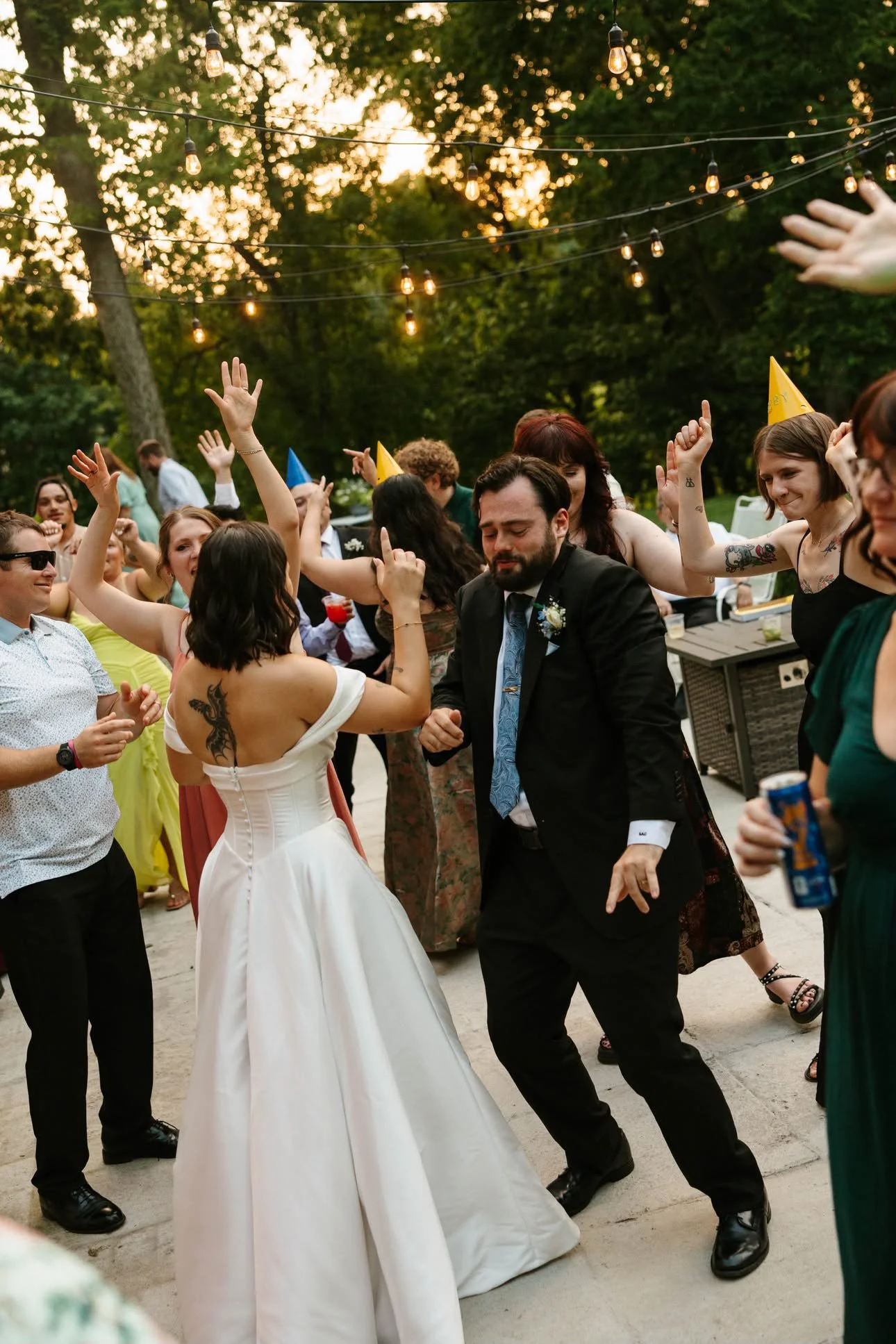
Evaluate preferred DJs as you would any other vendor
For planners, it helps to put venue rules in the vendor brief as soon as a couple requests proposals. Include the room names, cutoff, access start, documentation deadline, and venue contact. The DJ can then ask one person for clarification and price the work with the same information the venue will use to approve it.
A DJ who works in the venue frequently may know its access routes, room layout, and staff. Ask how they would apply that familiarity to your event. Listen to music samples, talk through MC style, and ask them to explain the setup for your ceremony and reception. Confirm whether the DJ you speak with will be the person performing.
If your favorite provider is new to the venue and outside DJs are allowed, ask how they will prepare. A venue packet, recent floor plan, and coordination call may answer many questions. A walkthrough may help when the room configuration or access is complicated. Compare how each vendor would serve the guests and moments that matter to you, with the venue’s approval requirements in view.
A practical Columbus-area example
Suppose you are comparing a reception space in Westerville and another in Columbus. One property gives you recommendations and asks outside vendors to submit insurance paperwork. The other offers an entertainment package and requires its own operator for the room’s system. You would ask each venue whether your chosen DJ can work there, which spaces they can cover, and how an outside booking affects the overall price.
After the venues respond, share the details with the performer you are considering. Ask them to price the same hours and explain any different equipment or technical arrangements. A valid comparison includes both venue requirements and DJ services. Before signing, have the venue acknowledge the proposed plan and confirm the outstanding paperwork or approvals, if any.
Questions to send your venue
- Is your DJ list recommended, preapproved, or required?
- What is the process and deadline for approving an outside DJ?
- Which rules apply to each ceremony, cocktail, and reception location?
- Who approves insurance documents, the floor plan, and setup access?
- Must we use house equipment or a venue technician?
- What happens to the venue price if we choose our own DJ?
- Can you confirm the approved vendor and scope by email?
Share the venue rules with your DJ along with your date, rough attendance, and event outline. Confirm who will finish each approval step and keep the final answer with your event documents. It gives the coordinator, DJ, and venue one clear plan to refer to when the wedding approaches.
I’m Christopher “DJ iShine” Summers. I work directly with couples and planning teams to confirm music, MC coverage, and setup requirements. If a Columbus or Central Ohio venue has given you its entertainment policies, include them with your inquiry so we can discuss the fit. Ask about your wedding date and venue.