
Wedding Must-Play Songs: How to Make Your Priorities Clear to Your DJ
By Christopher “DJ iShine” Summers · iShine Music Production
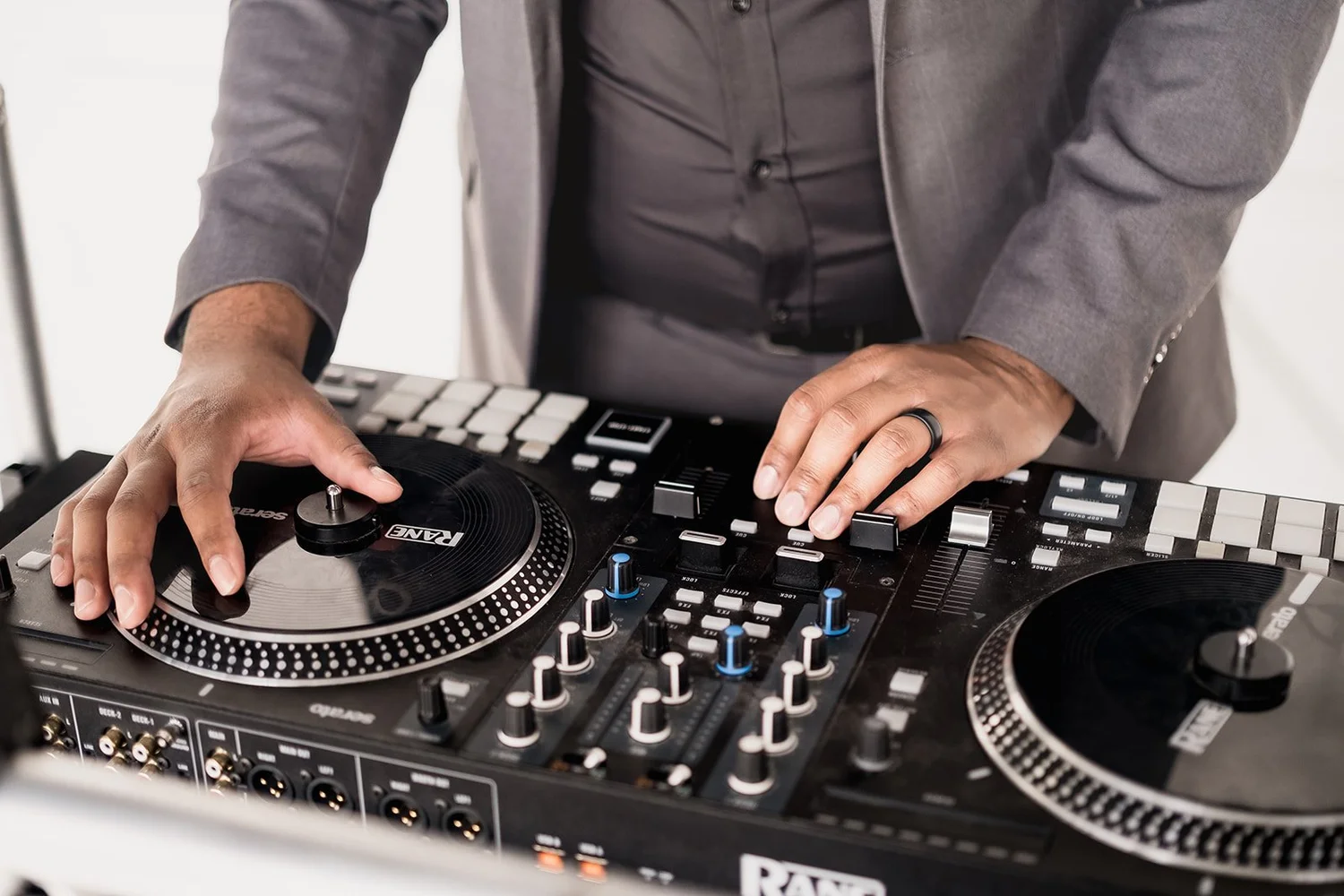
Your must-play list tells the DJ which songs matter most at your wedding. The challenge is making those priorities clear enough to use during a real reception. A long playlist full of favorites may not explain which songs are essential, which belong to a particular moment, and which simply describe your taste.
For a Columbus wedding, build the list around meaning, timing, and clarity. You can preserve the songs you care about while giving the DJ useful direction for the rest of the evening. This guide explains how to turn favorite tracks into a practical wedding music plan.
Separate essentials from inspiration
Start with the songs you would be disappointed to miss. Then create a separate list of selections that help the DJ understand your musical direction. Both lists are useful, but they serve different purposes. Label them clearly so the performer does not have to guess the level of importance.
Keep the essential group realistic for the event length. You do not need a universal limit, and every provider’s process is different. Ask the DJ how the list fits the available music window and your other wedding moments. If the number of essential songs grows, discuss whether they can be spread across cocktails, dinner, and dancing rather than treating the open dance period as the only place music can feel personal.
Explain why a song matters
A short note can help the DJ place an important recording thoughtfully. A song might connect to your first trip together, a family tradition, your college friends, or someone you want to remember. The context may suggest a particular moment or a specific group who would enjoy hearing it.
You do not have to tell a personal story for every selection, and private details can remain private. A simple note such as important to our friend group or please play while our grandparents are present may be enough. That information helps the DJ understand the priority and timing. Without context, an essential track can look no different from another song on a large general playlist.
Assign a moment when timing is important
Some songs have a clear role: processional, recessional, introduction, first dance, parent dance, or final song. Others may be essential during open dancing but do not require an exact position. Identify that distinction in the planning notes.
If a song should play while a particular guest is present, discuss the timing with your planner and DJ. A must-play instruction alone may not communicate that the person is leaving early or that the selection should follow a speech. You can record a preferred window without forcing every song into a rigid schedule. The aim is to protect meaningful timing while allowing the DJ to connect the music naturally around the fixed moments.
Confirm the exact recording
Artists may release live, acoustic, remastered, radio, and extended versions of the same title. If the version matters, identify it. Include the artist, recording title, useful reference link, and any requested starting point or ending. Ask the DJ to verify the selection through their planning process.
For custom edits or special files, explain the purpose and confirm that the DJ has reviewed the final approved version. Avoid assuming a general playlist entry communicates a unique edit. Exact identification is especially important for choreography, ceremony cues, and meaningful recordings whose introduction or ending differs from the familiar version. Clear preparation gives the DJ a better chance to deliver the moment you have imagined.
Discuss how the list fits the crowd
Your favorite songs and your guests’ dance preferences may overlap, but they are not always identical. Talk about the balance you want. You might prioritize several deeply personal selections and welcome a broader range of familiar music around them. Another couple may prefer a more tightly directed soundtrack.
Explain your expectations rather than assuming the DJ will interpret the list automatically. Ask how they would connect different styles and what flexibility they need to respond to the room. The conversation should respect your priorities while making the performance approach clear. A useful must-play plan is a shared understanding, not a document the couple and DJ interpret in different ways.
Use different parts of the day intentionally
A meaningful song does not have to be a dance-floor track to belong at your wedding. Cocktails, dinner, seating music, and quiet transitions can provide space for favorites that support conversation or listening. Ask the DJ which moments fit your selections and any lyric or mood considerations.
This can be especially helpful when your list includes many genres or when you and your partner have different tastes. You can create a personal soundtrack across the whole event while leaving the dancing period focused on the energy you want. Confirm who provides music during each portion of the day so a song assigned to cocktail hour is not accidentally given to a provider who only covers the reception.
Decide how guest requests relate to must-plays
Tell the DJ whether requests are welcome and how they should fit around your priorities. A guest request should not automatically displace an essential moment or override a prohibited song. Establish the policy during planning rather than expecting the DJ to negotiate it with guests under pressure.
You can also identify songs that are welcome if a guest requests them but are not essential otherwise. That gives the DJ useful flexibility. If a family member has a meaningful suggestion, discuss it with your partner and add it to the appropriate category before the final review. The planning document should show which decisions belong to the couple and which are optional input.

Keep one final version of the list
Music choices can become scattered across emails, texts, screenshots, and playlist updates. Agree on where final decisions are recorded and when the DJ reviews them. If you revise an essential selection, tell the provider directly rather than assuming a changed playlist will be noticed.
At the final meeting, review each fixed moment, the must-play priorities, and any unresolved recording details. Confirm that older versions are no longer being used. If your planner manages the timeline, make sure the music document and timeline use the same names and sequence. This gives the event team a dependable reference and makes it easier to handle a change without reconstructing the couple’s intentions from multiple conversations.
A practical must-play worksheet
For each essential song, record the details that make it useful. You can keep the worksheet simple and use your DJ’s preferred planning system when one is provided.
- Song title and artist.
- Exact recording or edit if relevant.
- Intended moment or preferred part of the evening.
- Why it matters, if context helps the DJ.
- Any guests who should be present.
- Requested start, length, or ending for a formal cue.
- Whether the song is essential or flexible inspiration.
The worksheet is not a demand to micromanage every transition. It helps separate your fixed decisions from the parts of the performance you want the DJ to shape.
A hypothetical Columbus music-planning example
Imagine a couple with a meaningful acoustic recording, a favorite song from their college years, and several tracks their families love. They assign the acoustic selection to dinner, identify the college song as essential during dancing, and provide the family favorites as inspiration with context.
The DJ can now understand what must happen and where flexibility exists. The couple’s personality is preserved without asking every song to serve the same role. This hypothetical example shows how a short explanation and clear labels can make a list more useful than simply adding more tracks to it.
Common must-play questions
How many must-play songs should we give the DJ?
Ask about the provider’s process and your available music time. Keep the essential group realistic and distinguish it from general inspiration. There is no single count that fits every wedding.
Can we require a song even if it is not a typical wedding track?
Discuss the selection and its intended moment. Many personal favorites can fit somewhere in the day. The DJ can help evaluate timing, mood, and how to connect the song with the rest of the plan.
Should we send a playlist link or a written list?
Use the method agreed with the DJ, and add context where needed. Exact recordings and fixed moments should be clearly identified rather than left to interpretation from a general playlist.
Build your wedding soundtrack with DJ iShine
I’m Christopher “DJ iShine” Summers, personally handling music planning, live mixing, and MC duties for Columbus and Central Ohio weddings. Read must-play and do-not-play planning advice, explore my mixes, and share your date. Tell me which songs you want to hear with your people and why they matter.