
How to Avoid an Empty Wedding Dance Floor in Columbus
By Christopher “DJ iShine” Summers · iShine Music Production
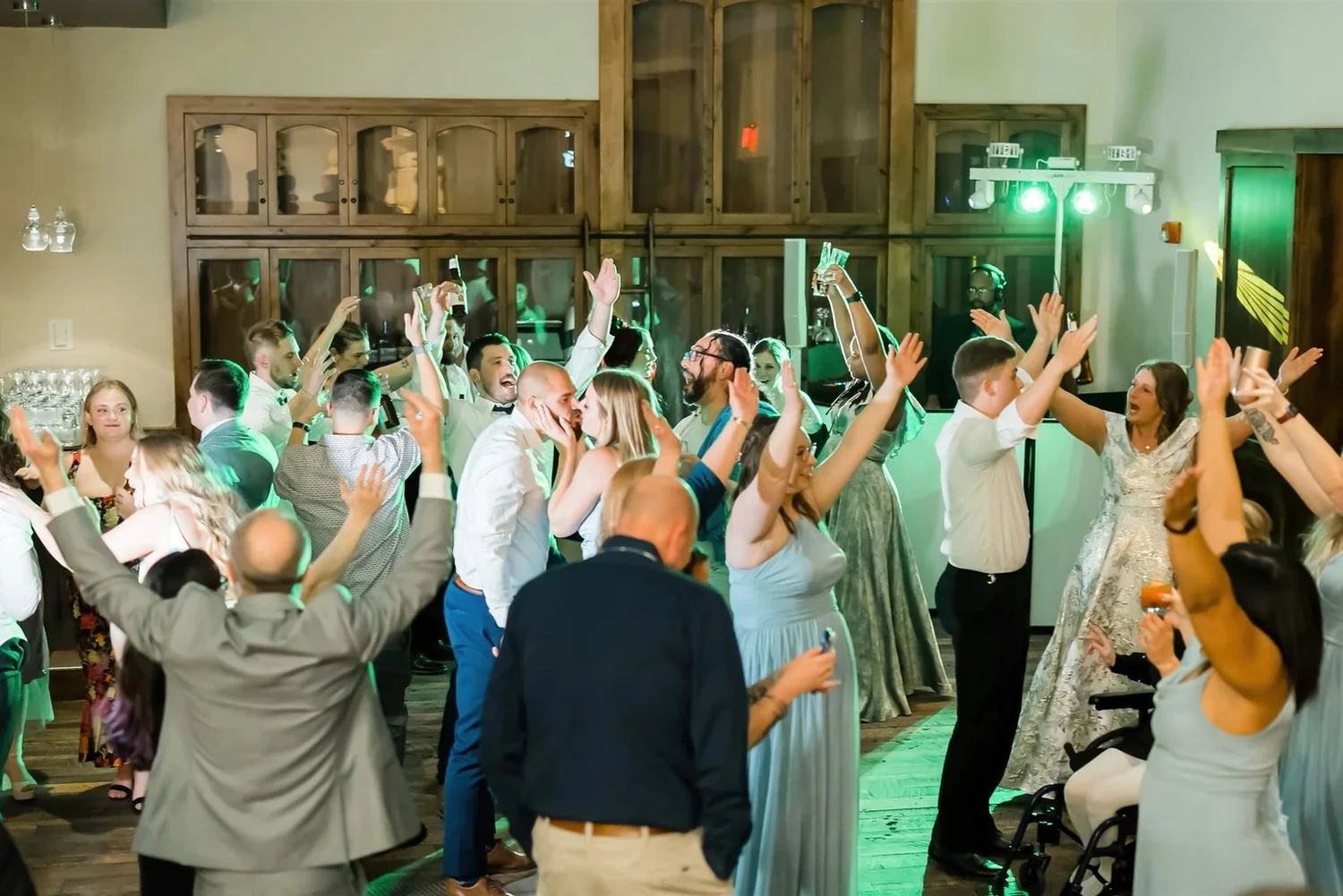
An empty wedding dance floor is a common fear, especially when you care about the party and have spent time imagining everyone celebrating together. The most useful planning response is to create an inviting environment and give your DJ clear direction. No professional can control every guest’s preferences or energy, but the music, timing, layout, and flow can support participation.
For a Columbus wedding, begin by defining what a successful reception looks like to you. A lively floor may be a priority, while some guests will also enjoy watching, singing along, or talking nearby. Here are practical ways to prepare without treating the evening as a demand that everyone dance continuously.
Tell the DJ what your guests actually enjoy
Share the music your friends and family already respond to. Think about familiar artists, songs connected to shared experiences, cultural traditions, and the age range of the group. A few useful examples and their context can be more informative than a very long list with no priorities.
Explain the difference between songs you personally love and songs you strongly associate with your guests celebrating. Both can belong in the wedding, but they may fit different moments. Your DJ can help place listening favorites during cocktails or dinner and discuss dance-floor selections for later. The conversation should preserve your personality while giving the performer useful information about the people in the room.
Give clear priorities and room for musical decisions
Identify must-play songs, firm do-not-play boundaries, and general inspiration. Ask how much of the night you want tightly directed and where the DJ can adapt. If you prefer an exact sequence, discuss what that means for responding to the crowd.
Flexibility does not require surrendering your taste. It means agreeing on a musical range within which the DJ can make decisions. For example, you may want clean versions, no particular novelty songs, and a strong mix of several favorite styles. Those boundaries can coexist with changes in energy or order. Clear expectations help the DJ respond without guessing whether a reasonable adjustment will contradict the couple’s wishes.
Protect an uninterrupted period for dancing
Look at the reception timeline with your planner. Speeches, group photos, dessert announcements, surprises, and formalities can divide the dancing into short sections. If the party is a major priority, discuss which moments can happen earlier and which announcements are truly needed later.
This does not mean important traditions should be removed automatically. It means the schedule should reflect what you value. A series of interruptions can make it harder for guests to settle into the music, particularly when each activity asks them to leave the floor. Your planner and DJ can coordinate a sequence that allows meaningful moments while giving the dance portion enough continuity to develop naturally.
Choose an opening that welcomes the room
Discuss how the dance floor begins. You might move from the first dance into a familiar song for guests, open dancing after dinner, or use another sequence that fits the evening. Tell the DJ whether you want a brief invitation or a more interactive opening.
Consider the transition immediately before the music starts. Are guests still being served? Is the photographer finishing a formal moment? Is the floor physically ready? Readiness matters because the best song choice cannot solve a room that is still busy with another activity. A coordinated opening gives people a clear opportunity to join rather than asking them to interrupt dinner or navigate a confusing change in the schedule.
Review the floor plan and sound together
The dance floor should be easy to find and reasonably connected to the reception experience. Discuss the DJ’s location, guest seating, service paths, and the relationship between the bar, conversation areas, and dancing. Your venue and planner can explain what arrangements are possible.
Sound also needs a practical plan. Guests should be able to hear the music where dancing happens without making every table uncomfortable. Ask the DJ about speaker placement and who communicates volume concerns. A thoughtful layout supports both people who want to dance and those who want to remain nearby. Avoid treating louder music as the automatic answer whenever participation slows; the room and timing may need attention instead.
Make your own participation comfortable
Guests often enjoy sharing the moments that matter to the couple. If you want to dance, plan time to be present on the floor rather than filling the whole reception with obligations elsewhere. You do not need to perform constantly or feel responsible for entertaining every guest.
If you are taking sunset photos, greeting relatives, or changing outfits, tell the DJ and planner about the expected timing. They can prepare transitions and music direction around those moments. The important part is a realistic schedule that lets you enjoy the party you prioritized. A wedding should not turn into another assignment where the couple feels required to maintain a certain crowd size at every moment.
Plan guest requests without letting them take over
Decide how the DJ should handle suggestions from guests. A request can reveal a shared favorite or useful direction, but it can also conflict with the couple’s preferences. Establish whether requests are welcome and how do-not-play instructions are protected.
Tell the DJ which instructions are firm boundaries and which are flexible preferences. Identify a point person for unusual requests or surprise activities. This gives the performer a respectful way to respond to pressure while staying focused on the event. The aim is to welcome useful input without allowing the loudest person at the booth to determine the entire reception soundtrack.
Expect the energy to change during the night
Guests may leave for a drink, rest, talk, or join another group. Participation can change as the evening develops. A smaller floor for a few songs does not by itself mean the wedding has failed or the music plan needs to be abandoned.
Discuss how the DJ reads the room and adapts. They may change styles, adjust pace, or create a different musical connection within the boundaries you agreed on. Realistic expectations help the couple enjoy the event rather than monitoring the floor as a scorecard. Your reception can include energetic peaks and quieter periods while still feeling like a meaningful celebration with the people you invited.
A hypothetical Columbus reception adjustment
Imagine dinner runs late and the remaining timeline includes several optional activities before dancing. The couple has already told the planner that the party is a priority. The planner and DJ review the remaining moments, confirm what must happen, and propose an adjusted sequence for the couple’s approval.
They keep the meaningful dances and speeches, simplify unnecessary transitions, and open a more continuous period for music. This hypothetical example shows how preparation supports the dance floor before a song is even selected. The decision is about protecting the couple’s priorities within the actual event schedule, rather than blaming guests or assuming one popular track will solve every timing problem.
Dance-floor planning checklist
- Share useful information about your guests and musical preferences.
- Separate must-plays, firm boundaries, and general inspiration.
- Protect a realistic stretch of open dancing in the timeline.
- Coordinate the opening cue with dinner and the photo team.
- Review layout, sound coverage, and guest movement.
- Plan time for the couple to enjoy the floor if dancing matters to you.
- Agree on guest requests and how the DJ can adapt.
Use these decisions to guide the planning conversation, while leaving space to enjoy the wedding as it unfolds.
Common dance-floor questions
Can a DJ guarantee everyone will dance?
No. Guest preferences and circumstances vary. Ask about preparation, music direction, and adaptation rather than relying on a promise of identical participation at every wedding.
Should we allow every guest request?
Decide the policy with your DJ. Useful suggestions can fit the event, while requests that conflict with your boundaries can be declined respectfully.
What if we have a small or quieter crowd?
Set expectations around your actual guests and priorities. A smaller celebration can still have enjoyable dancing, and guests can participate in several ways without all being on the floor at once.
Prepare a party that feels personal
I’m Christopher “DJ iShine” Summers, personally handling planning, live mixing, and MC duties for Columbus and Central Ohio weddings. Explore my mixes, read reception flow advice, and share your date and venue. Tell me what would make your reception feel like a great night with your people.