
Wedding Music for All Ages: Planning a Columbus Reception Together
By Christopher “DJ iShine” Summers · iShine Music Production
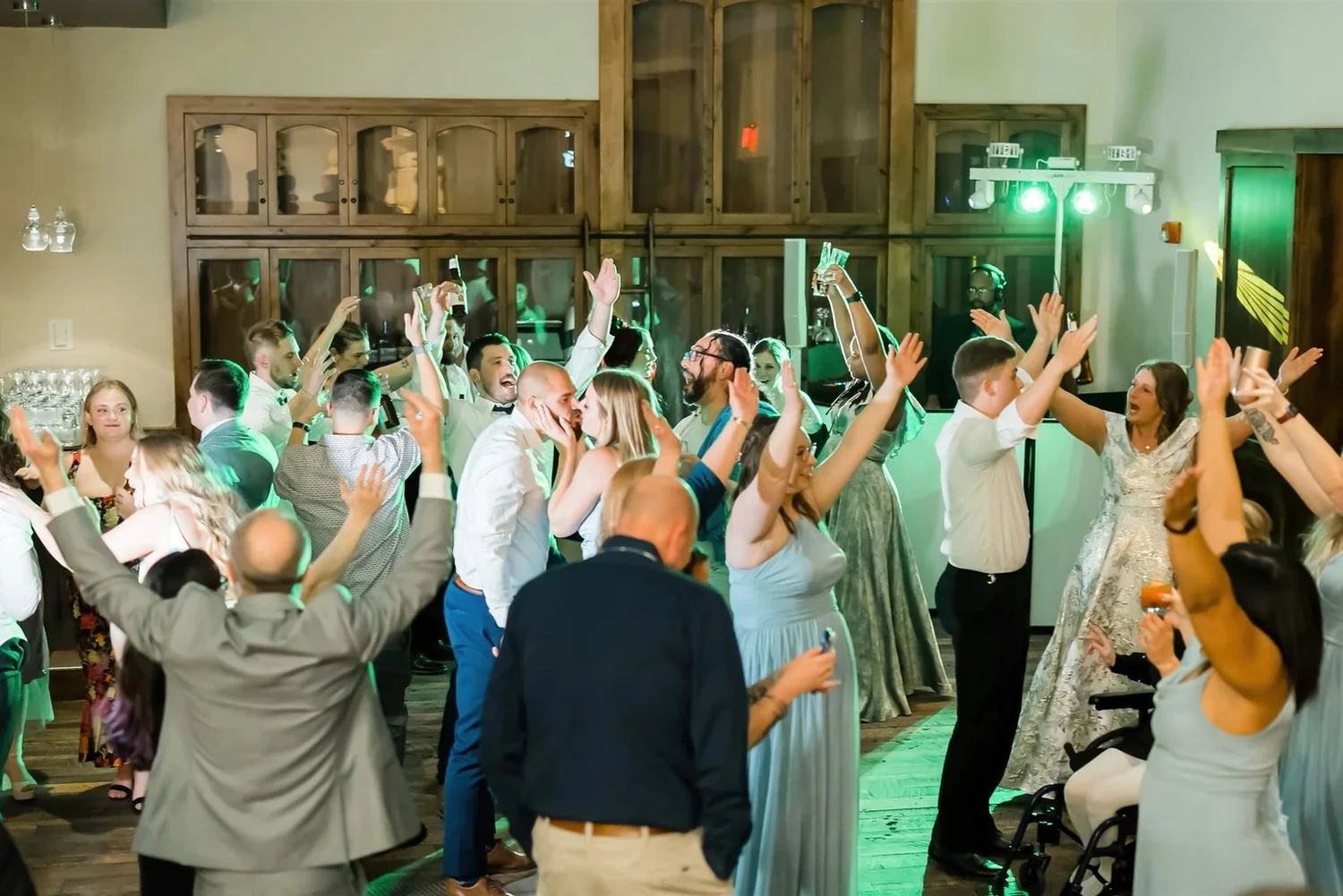
A wedding reception can bring together grandparents, parents, friends, siblings, and children with very different musical reference points. Planning for all ages does not mean choosing a few stereotypical songs for each generation. It means learning what your actual guests enjoy and giving the DJ enough context to create connections across the room.
For a Columbus wedding, aim for a welcoming experience rather than expecting every song to appeal equally to every person. Music, pacing, sound, and the layout all contribute. Here is how couples and planners can prepare a reception that gives several generations ways to enjoy the celebration.
Learn about your guests without reducing them to age labels
Age can provide context, but it does not determine taste. A grandparent may love contemporary music, while a younger guest may know older soul, country, or rock through family traditions. Ask about meaningful artists and songs instead of assuming the decade someone grew up in tells the whole story.
Share useful observations with your DJ. Which songs bring relatives together at family gatherings? What do your friends sing along to? Are there cultural or regional favorites that connect several groups? You do not need a survey from every guest. A few accurate examples from the people you know can be more valuable than a generic list built entirely around age categories.
Define the couple’s musical identity first
Your wedding should still feel like your celebration. Begin with shared favorites, meaningful selections, and clear boundaries. Then explain how you want the broader guest experience to fit around those priorities. This gives the DJ a center of direction rather than several competing playlists with no hierarchy.
If one family has submitted many requests, review them with your partner before treating them as instructions. Identify the songs that genuinely matter and which are simply suggestions. The DJ can then welcome different tastes without allowing the most vocal group to define the whole night. A couple-approved brief helps balance hospitality and personality in a way the event team can actually apply.
Use different parts of the reception thoughtfully
Cocktails and dinner can provide room for a wider range of listening favorites, while dancing may require a different approach to energy and familiarity. Talk with the DJ about how your preferences can appear throughout the covered portions of the day.
A meaningful family recording might fit a dinner moment or special dance rather than open dancing. A familiar cross-generational favorite may work as a bridge when the floor first opens. The right placement depends on the song and your priorities. Confirm who provides music in each location so the plan reaches the person operating that part of the event. Personalization can extend across the celebration without asking every selection to serve the same purpose.
Look for musical bridges
Shared recognition can connect guests with different tastes. Familiar choruses, songs associated with family events, or artists several groups enjoy may provide natural transitions. Ask your DJ how they would move between styles while keeping the reception coherent.
You do not need to prescribe every bridge yourself. Explain the connections you know and listen to the DJ’s reasoning. If you want original recordings rather than remixes, say so. If shorter blends appeal to you, discuss where they fit. The musical treatment can affect whether a familiar song remains recognizable in the way guests expect. Clear direction helps the performer make connections without relying on assumptions about which generation likes which genre.
Plan sound for different ways of participating
Some guests will dance, others will sing along from their seats, and others will enjoy talking nearby. Review speaker placement and seating with your planner and DJ. A table placed directly in front of a speaker may experience the room differently from guests near the dance floor.
Discuss comfortable dinner levels and appropriate coverage for dancing. Ask who should communicate a concern and how adjustments are handled. The answer is not simply to keep all music quiet or make everything louder. The sound plan should support the activities happening in each part of the room. Your venue layout and guest needs can guide a practical discussion before the seating chart is finalized.
Consider timing for guests who may leave earlier
If a particular family song matters while certain relatives are present, tell the DJ and planner. A must-play label does not automatically communicate that the guests associated with it may depart before the end of the reception. Identify a preferred window when timing matters.
Avoid treating this as a requirement that older guests must dance first or leave early. Use the actual plans of your attendees. The same consideration may apply to friends with travel arrangements or families with children. A little context helps the DJ place meaningful music thoughtfully and prevents an important selection from being saved for a time when the people it was intended for are no longer in the room.
Keep requests within the shared plan
Guest requests can reveal useful connections, but they should work within the couple’s boundaries. Agree on whether requests are welcome, how prohibited songs are handled, and who can approve a change to a firm instruction. The DJ should not have to negotiate the couple’s priorities from scratch with each generation.
If a family member has a meaningful suggestion, review it before the wedding when possible. Explain the context and confirm the exact recording. This makes the request easier to place without displacing another planned moment. A respectful request process welcomes participation while keeping the soundtrack connected to the wedding you and your partner agreed to create.
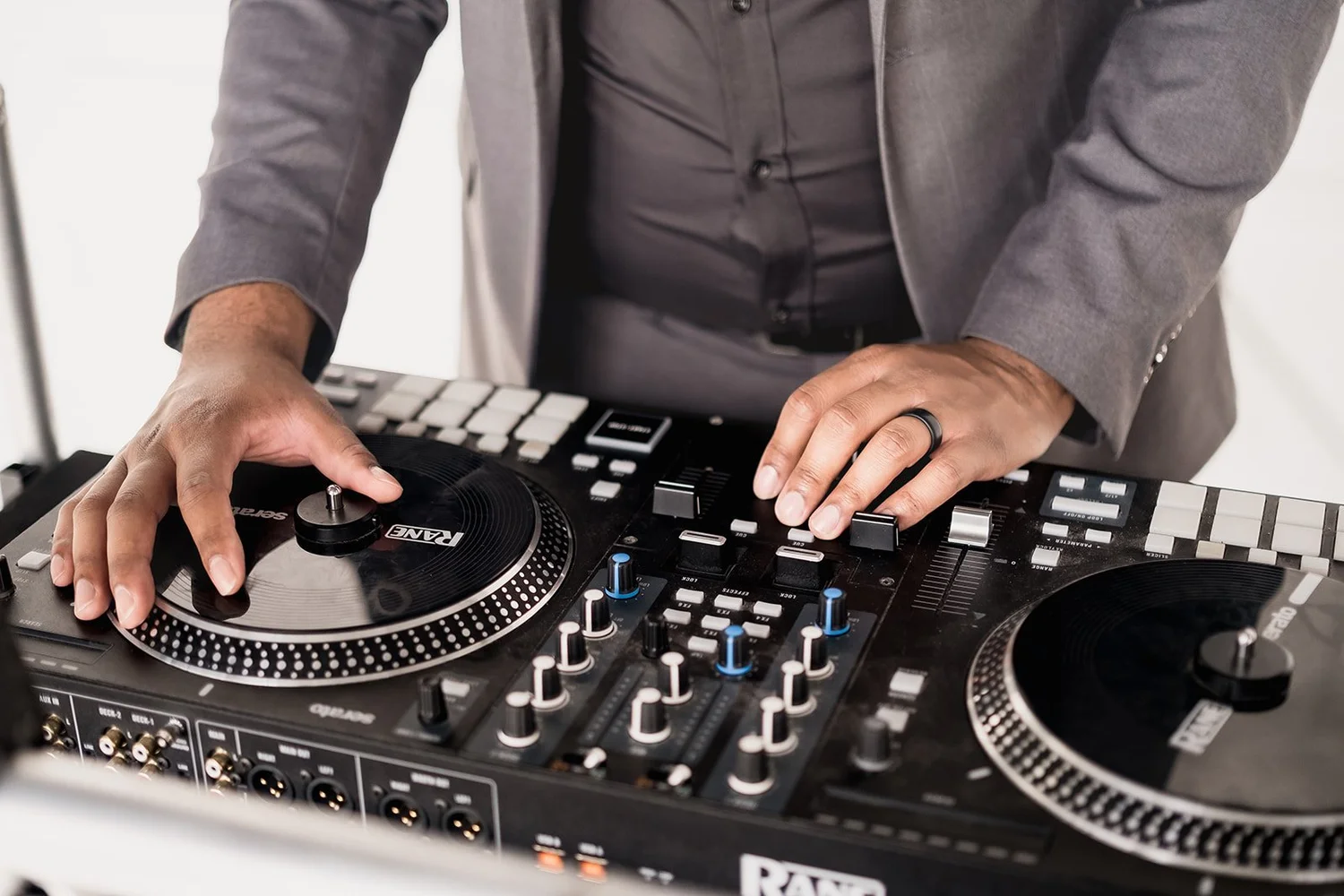
Set realistic expectations about the floor
A multigenerational reception may have different groups joining at different times. That can be a healthy part of the evening rather than a problem to solve after every song. Discuss the experience you want without requiring every attendee to remain on the floor continuously.
Your DJ can watch the room and adapt within the agreed musical direction. Some selections may strongly connect one group while others welcome a broader mix. The couple’s comfort matters as well: if you love a particular family moment, it does not have to be judged only by the number of people dancing. Define success around connection and enjoyment rather than one unchanging picture of a full floor.
A hypothetical Columbus reception plan
Imagine a couple whose families share a love of familiar soul and singalongs, while their friends enjoy newer dance music and other favorites. They give the DJ examples, identify a family song that should happen before certain guests depart, and reserve a few personal essentials for later.
The DJ can build around those connections and adjust as the room changes. Dinner offers space for additional listening favorites, and open dancing has room for several styles. This hypothetical example shows how actual guest context provides more useful direction than assigning one fixed block of music to each age group.
Questions for your music planning meeting
- Which songs connect our actual families and friend groups?
- What music best represents us as a couple?
- Which selections fit cocktails, dinner, special moments, or dancing?
- Are there important guests whose timing affects a particular song?
- How do we feel about original versions, remixes, and shorter mixing?
- How will sound and seating support conversation as well as dancing?
- What guest request policy respects our agreed boundaries?
Record the answers with your must-play and do-not-play notes so the DJ has one coherent direction.
Common questions about wedding music for all ages
Should we ask every guest for a song?
You can collect suggestions if you want, but decide how they will be used. A request is useful input, not automatically a guaranteed selection. Review the overall direction with your partner and DJ.
Do we need equal time for every decade?
Not necessarily. Focus on your actual guests, the couple’s priorities, and the event’s flow. A mechanical division by decade may not reflect what the people attending enjoy.
Can the music still feel like us?
Yes. Establish your identity and boundaries first, then discuss how the DJ can welcome different guests within that direction. Personalization and hospitality can work together.
Plan music that welcomes your people
I’m Christopher “DJ iShine” Summers, personally handling planning, live mixing, and MC hosting for Columbus and Central Ohio weddings. Read music planning for generations and cultures, explore my mixes, and share your date. Tell me about the people you want to celebrate with and the music that connects you.