
Wedding DJ Planning for Introverted Couples in Columbus
By Christopher “DJ iShine” Summers · iShine Music Production
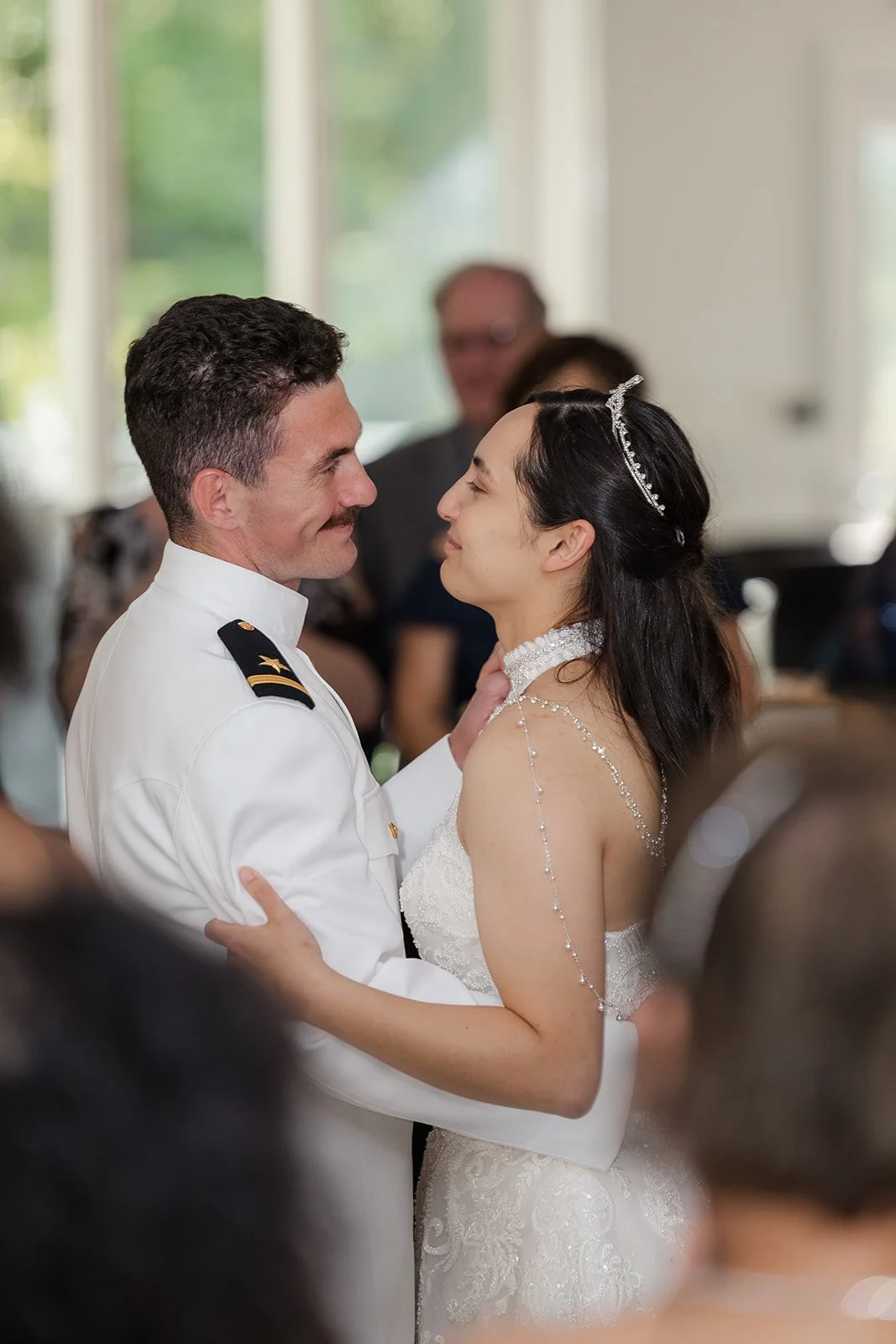
Being excited to get married does not mean you want to be the center of attention for every minute of the reception. Introverted couples may love music, dancing, and their guests while preferring shorter introductions, fewer public performances, and a more natural pace. Those preferences can be part of a thoughtful wedding DJ plan.
For a Columbus wedding, begin by explaining which moments feel meaningful and which kinds of attention feel uncomfortable. Your DJ and planner can help turn those preferences into specific choices about the timeline, announcements, and dance floor. You do not have to copy another couple’s version of a big celebration.
Talk about attention before talking about activities
Instead of starting with a list of traditions to remove, discuss what each moment asks of you. Do you enjoy a brief entrance but dislike being asked to perform? Would you feel comfortable sharing a short first dance? Are repeated microphone shout-outs the part that bothers you?
You and your partner may have different comfort levels. Talk through them together and identify a shared direction before the final planning meeting. A clear description helps the DJ understand the balance you want. For example, you might welcome one enthusiastic introduction while preferring a quiet transition into dinner. The goal is to make the important moments feel intentional rather than assume that introverted means the same entertainment plan for every couple.
Choose an entrance that fits your personalities
A grand entrance can be energetic, simple, or omitted when the overall schedule supports another approach. You might enter together with a brief announcement, join guests naturally, or use music without a complicated wedding party routine. Discuss the options with your planner and DJ.
If you choose an introduction, confirm the wording, names, order, and song section. Tell the MC whether you want a short welcome or a more enthusiastic presentation. Preparation reduces the need to make decisions while everyone is watching. You should know what happens after you enter as well: where you go, whether a dance begins, and who gives the next cue. A comfortable entrance is easier to enjoy when the transition is clear.
Plan the first dance as a choice you control
If a first dance feels meaningful but too exposed, consider a shorter agreed version, a carefully selected section, or a transition that welcomes other guests after your moment. Ask the DJ what is possible with your chosen recording and coordinate the plan with the photographer.
You can also decide that a formal first dance is not part of your wedding. The important step is to communicate the decision and update the timeline. Do not leave the DJ to guess whether you want an invitation to dance. If you use an edit, practice with the exact approved version so the ending feels familiar. The amount of time in the spotlight should support the experience you want.
Define a comfortable MC style
Tell the DJ how much microphone interaction you enjoy. You might want clear announcements for necessary moments while preferring no commentary directed at you during dinner or dancing. Explain whether jokes, repeated requests for applause, or surprise questions make you uncomfortable.
Ask how the MC would guide the reception within those preferences. A warm, concise host can help guests understand the evening without making the couple respond publicly to every transition. Provide approved wording for sensitive introductions and identify the person who can approve unexpected announcements. When the hosting plan is clear, the DJ can focus on the room and the music rather than checking each microphone decision with the couple during the event.
Let the music communicate your personality
Music offers a personal way to shape the celebration without asking you to narrate every choice. Shared favorites, meaningful artists, and songs connected to your friends can create recognizable moments. Give the DJ context about why particular selections matter.
You do not need to prepare an explanation for every track or build the entire night yourself. Separate must-play songs from general inspiration and identify any firm boundaries. Discuss how you feel about remixes, singalongs, and different generations joining the floor. A prepared DJ can use that direction while adapting to the guests. The result can feel personal even when the couple prefers to enjoy the music alongside everyone else instead of leading every activity.
Choose traditions individually
Bouquet tosses, anniversary dances, wedding party routines, and audience games are optional planning decisions. Keep what matters and remove what does not fit. Ask your planner and DJ to update their notes so outdated activities do not return on the wedding day.
If family expectations are involved, decide how those conversations will be handled before the reception. The DJ should not have to mediate a disagreement publicly through the microphone. A simple note about the approved plan and who can authorize changes may be enough for the event team. This allows meaningful traditions to remain while protecting the couple from unplanned activities that create unwanted attention.
Build breathing room into the schedule
A tightly packed reception can make every transition feel like another performance. Discuss a realistic pace for dinner, conversations, photos, speeches, and dancing. Your planner can help identify where you want a brief pause or a quieter moment together.
Any break should fit the actual event rather than leave vendors uncertain about where the couple has gone. Tell the planner or designated contact when you need a few minutes and agree on how the next cue will be communicated. You do not need to announce private breaks to the room. The practical goal is a timeline that supports your comfort while keeping the guest experience and vendor coordination clear.

Name a point person for interruptions
Choose who handles routine questions, guest requests for announcements, or suggestions for surprise activities. Your planner may fill that role, or you may designate another person who understands your preferences. Explain which decisions they can make and when they should involve you.
This is especially useful when you want to be present with guests rather than manage the reception from the dance floor. The DJ can route an unexpected request through the agreed person and continue the music while the question is resolved. A point person does not remove the couple’s voice. It gives your preferences a clear path through the event team so you are interrupted only for decisions that actually require your attention.
A hypothetical Columbus wedding example
Imagine a couple who wants a welcoming party but dislikes elaborate entrances and public games. They choose a brief introduction, a shortened first dance, two meaningful speeches, and open dancing. Their MC uses concise announcements and does not call the couple out repeatedly during the party.
Their planner includes time to enjoy dinner and checks readiness before each formal moment. The DJ uses the couple’s music direction and reads the room as guests join the floor. This hypothetical example shows that a comfortable wedding can still have energy and structure. The plan simply gives the couple more control over how attention is directed throughout the reception.
A comfort-focused planning checklist
- Identify which kinds of attention you enjoy and which you want to avoid.
- Choose the entrance format, wording, and music cue.
- Confirm whether you want a first dance and its exact length.
- Describe the amount of MC talking and audience interaction you prefer.
- Select traditions individually and remove omitted activities from the timeline.
- Build a realistic pace and identify a point person for routine interruptions.
- Share meaningful music and clear boundaries with the DJ.
Review the choices together so both partners understand the final plan and the event team receives consistent guidance.
Common questions from introverted couples
Can we skip a grand entrance?
Discuss an alternative with your planner and DJ. Guests may still need a simple transition or welcome, but the format can reflect your preferences rather than require an elaborate routine.
Will a quieter MC style make dancing difficult?
Music selection, pacing, room layout, and the guests all influence participation. Explain the energy you want and ask how the DJ supports it within your preferred hosting style.
Do we have to choose between a party and a comfortable wedding?
You can plan for both by defining which moments matter and how you want attention handled. The best choices depend on your personalities, guests, and priorities.
Plan a wedding that feels like you
I’m Christopher “DJ iShine” Summers, personally handling music planning, live mixing, and MC duties for Columbus and Central Ohio weddings. Read how to personalize wedding music, explore the planning process, and share your date. Tell me what would make the celebration feel comfortable and personal for you.