
Wedding DJ Illness and Emergency Backup: What Columbus Couples Should Ask
By Christopher “DJ iShine” Summers · iShine Music Production
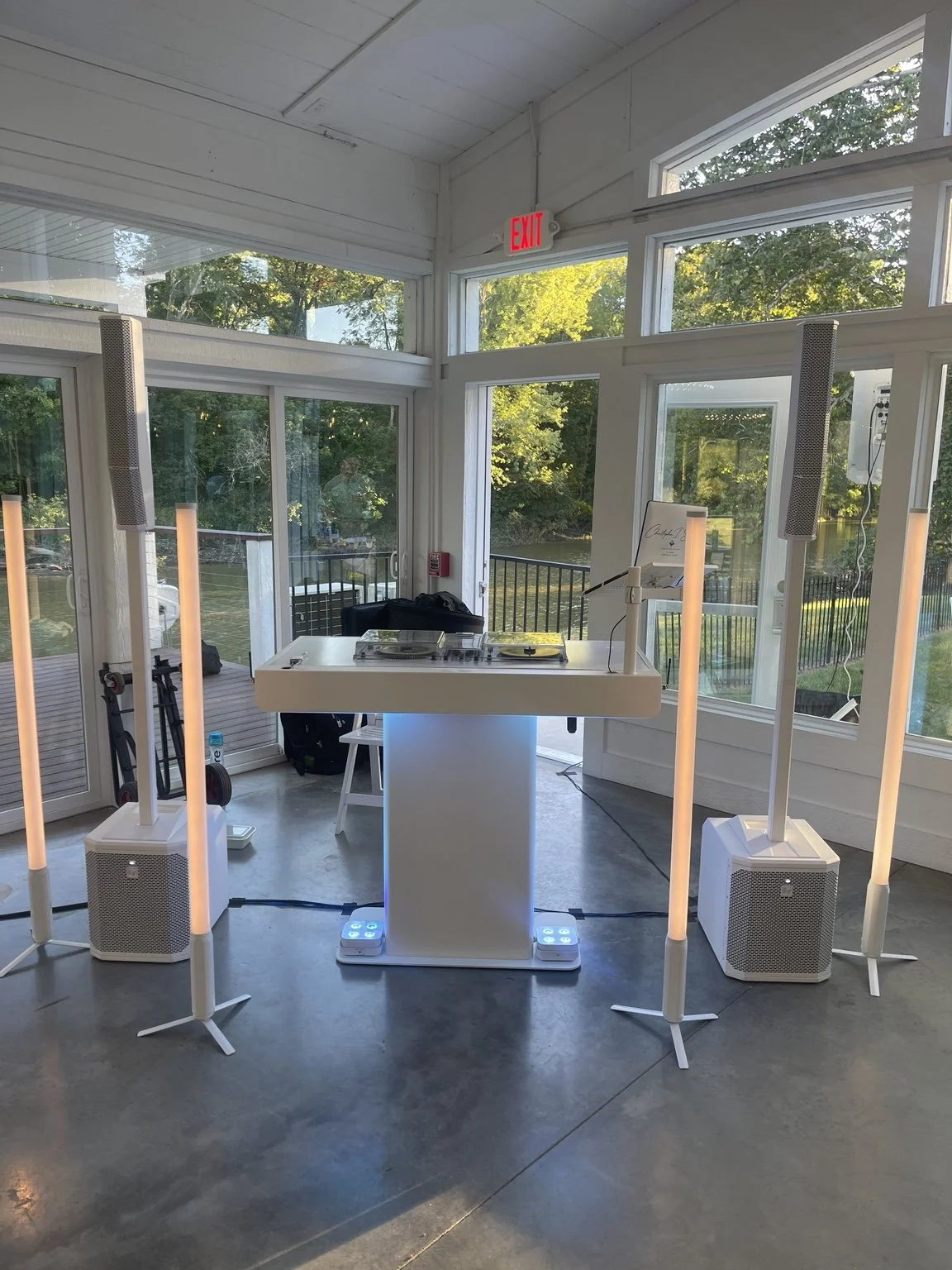
A wedding DJ backup plan is more than an extra speaker. Couples also need to understand what happens if the performer is ill, the planned ceremony location becomes unusable, or important music information cannot reach a replacement. The most useful questions focus on continuity: who takes responsibility, what is available, and how the wedding plan remains usable.
For Columbus couples and planners, these conversations belong before the final week. You do not need a technical manual or a promise that nothing can ever go wrong. You need clear explanations that connect backup arrangements to the service being booked.
Separate performer backup from equipment backup
These are different problems. Equipment backup addresses a failure in the tools used to deliver sound or music. Performer backup addresses who handles the wedding if the assigned DJ cannot attend. A strong answer about one does not automatically answer the other.
Ask both questions directly. If the DJ is unavailable, who arranges the replacement and communicates with the couple? If a microphone or playback device fails, what is the practical response? The provider should explain the approach in language you can understand. You are evaluating how the service continues, rather than asking for an impressive inventory or assuming that the phrase backup equipment describes an emergency performer arrangement.
Ask how an emergency replacement is arranged
Find out whether the provider has a stated replacement process and how it relates to your booking terms. Ask what qualifications or event experience they look for and whether the replacement must be able to provide the full coverage, including ceremony sound and MC duties.
Avoid assuming that one casual industry contact guarantees availability on every date. The useful discussion is how the provider would respond, what they commit to arranging, and how the couple will be informed. Read the written terms and ask for clarification where needed. If a question requires legal interpretation, consult an appropriate professional. The planning goal is to understand the provider’s actual commitments before you rely on them.
Make your wedding plan easy to hand off
A replacement can only work from the information available. Ask how your final timeline, music choices, introduction details, and venue logistics are documented. Important decisions should not exist only in someone’s memory or in a message thread that another person cannot access.
Keep a concise final event brief. It should identify the ceremony and reception locations, music coverage hours, microphones, special recordings, pronunciations, and the contact responsible for cues. The provider’s process may use forms, a planning platform, or another organized system. You do not need to dictate the software. You do need confidence that the wedding’s essential details can be understood by the person preparing to perform.
Confirm exact music for important moments
A song title can point to several recordings. Your first dance might use a live version, an acoustic performance, or a custom edit. Ceremony music may need a specific starting point or ending. Document those distinctions so a replacement is not forced to guess.
Ask how the DJ verifies important recordings before the wedding and how those selections would be transferred in an emergency. If you provide a file, identify its purpose and request confirmation that it has been reviewed. A link to a general playlist can help communicate your tastes, but it should not be the only record of a highly specific ceremony or dance cue. Preparation makes continuity more practical.
Discuss the equipment response without prescribing the gear
Ask what happens if a microphone, speaker, cable, or playback device becomes unavailable during the event. The DJ should explain how they would identify the problem and restore the essential service. Different configurations may call for different backup approaches.
You do not need to choose equipment models or require duplicates of every object in the booth. Focus on the guest experience: how will speeches remain audible, how will important music be available, and what happens if the primary playback path fails? The answer should reflect the actual wedding size, locations, and scope. A general statement that professional equipment never fails does not provide the same useful information as a practical response plan.
Include outdoor and location contingencies
If the ceremony or reception is outdoors, identify the approved alternative and the decision process. A venue move can change speaker placement, power access, microphone needs, and the route guests take between activities. Tell the DJ who makes the call and when the equipment plan needs to be ready.
For a Central Ohio wedding, your planner and venue should help establish a workable weather alternative. Do not assume a piece of equipment being battery-powered or weather-resistant makes every outdoor condition suitable. The event needs a safe, venue-approved plan that protects guests and staff as well as the equipment. Discuss the location change before the wedding so the audio arrangement can support it.
Clarify how the event team will be informed
An emergency change affects more than the couple and DJ. The planner, venue contact, photographer, videographer, officiant, and any person giving cues may need updated contact details. Ask who communicates the change and who confirms receipt of the final plan.
Keep the notification focused on useful event information. The team needs to know who is performing, when they arrive, how to contact them, and whether any cue or setup detail has changed. They do not need unnecessary private information about the person experiencing the emergency. A practical communication process helps the replacement join the team without the couple becoming the messenger for every vendor.
Understand iShine’s published continuity promise
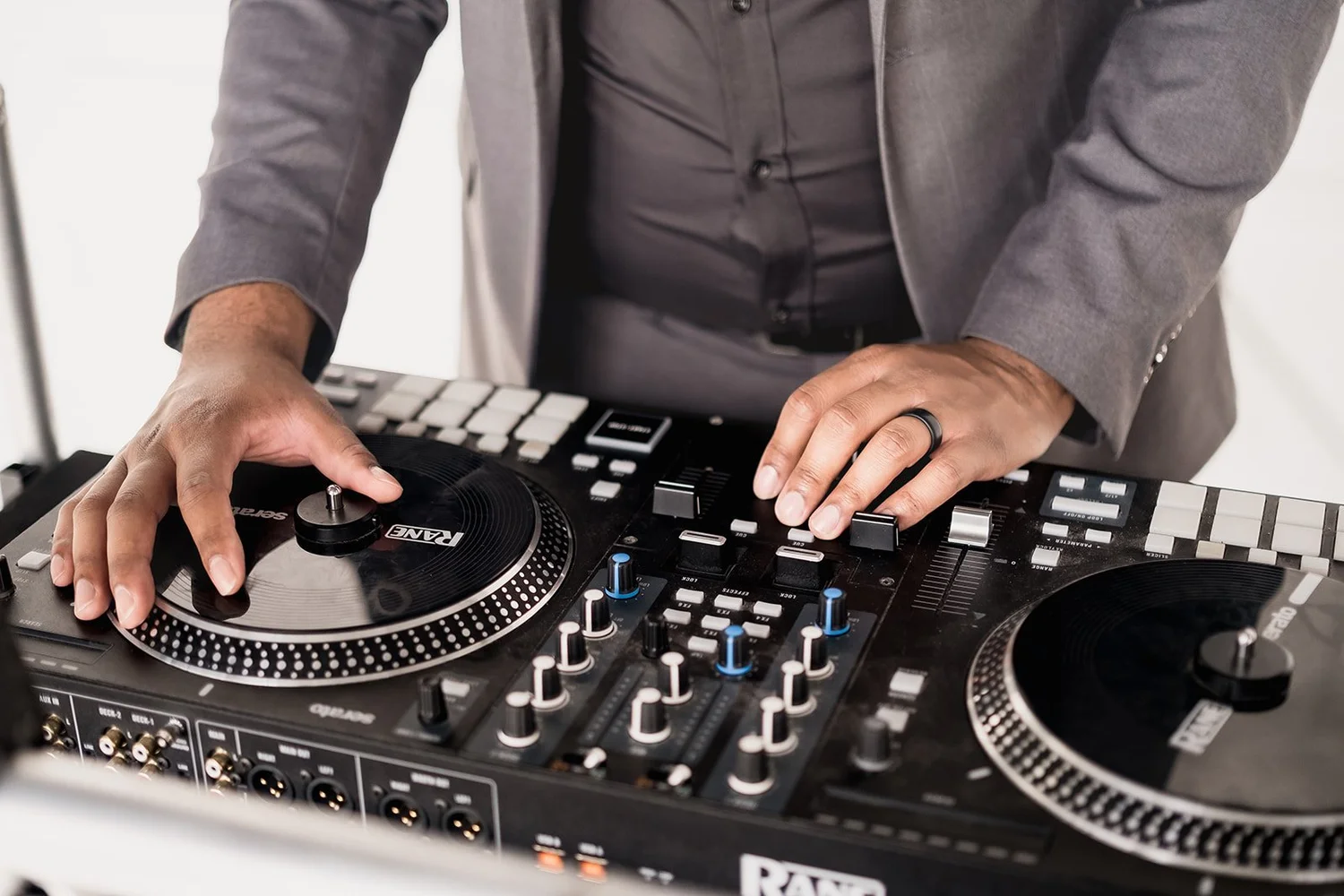
At iShine Music Production, I personally handle the planning, live mixing, and MC duties. The published Show-Up Guarantee describes arranging a qualified replacement and handing off the music and timeline if an emergency prevents me from performing. Review the current wedding service details and discuss any questions about your event.
That conversation should still include the ceremony location, reception schedule, and specific music priorities. A continuity promise works best alongside complete preparation. The more clearly the important decisions are documented, the easier it is to explain how the wedding plan can remain understandable if another qualified professional must step in.
A hypothetical emergency handoff
Imagine a DJ becomes unavailable shortly before a wedding with ceremony audio outside and a reception indoors. A replacement receives the event brief, venue contact, coverage hours, exact aisle recording, first dance edit, pronunciation notes, and the planner’s final timeline. They can then confirm the setup and ask focused questions.
Now imagine the same situation with only a couple’s name, date, and general playlist. Much more information remains to be reconstructed under time pressure. This hypothetical comparison shows why documentation matters. A replacement’s skill is important, but the handoff should also preserve the decisions the couple has already made and the logistical details the event team is relying on.
Questions for your backup-plan conversation
- What happens if our assigned DJ is ill or otherwise unable to perform?
- Who arranges and communicates a qualified replacement?
- Can the replacement cover our ceremony, reception, and MC needs?
- How are our exact recordings and final timeline documented?
- What is the response to a microphone or playback problem?
- How does the equipment plan adapt to our approved indoor alternative?
- Who informs the planner and other vendors about a change?
- Which commitments are reflected in our written booking terms?
Save the confirmed answers with your proposal and include the relevant contacts in the final wedding brief.
Common backup-plan questions
Does backup equipment mean the DJ has a replacement performer?
No. Ask about the performer and equipment separately. They address different types of interruption and may involve different arrangements.
Should we create our own emergency playlist?
A useful final music record can support a handoff, but discuss the provider’s process. Exact special recordings, must-plays, boundaries, and cues matter more than simply creating another long list of songs.
Can any available DJ replace the original service?
Availability alone does not establish suitability. The person needs to understand the wedding’s music, hosting, sound locations, and planning requirements. Confirm the proposed scope and preparation process.
Plan for confidence through preparation
I’m Christopher “DJ iShine” Summers, serving Columbus and Central Ohio weddings with personal planning, live mixing, and MC hosting. Read the backup-plan overview, explore what to expect, and share your date and venue to discuss your celebration.