
Does Your Wedding DJ Package Include Ceremony and Cocktail Hour Sound?
By Christopher “DJ iShine” Summers · iShine Music Production
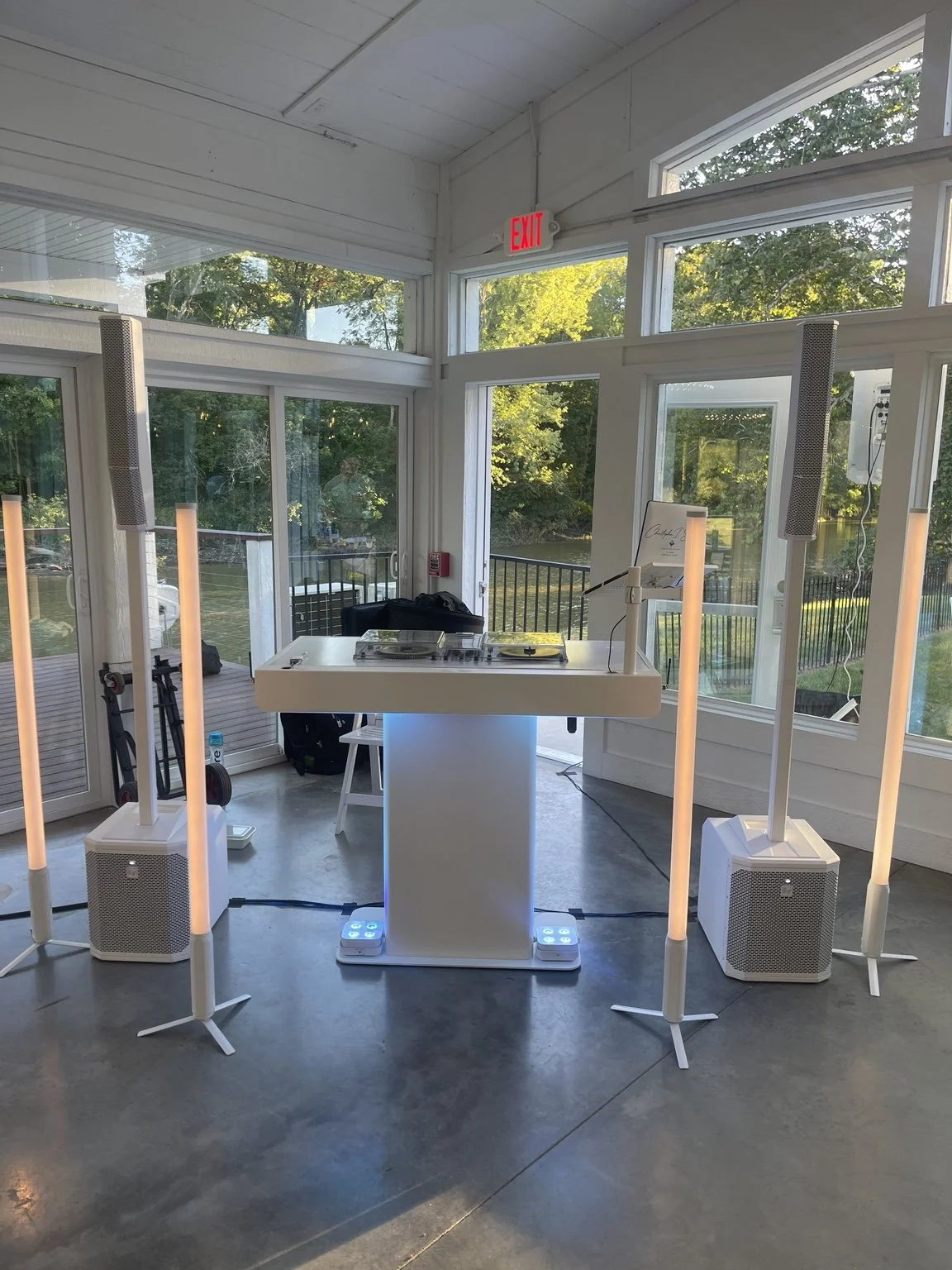
When a wedding DJ package says it includes music, the next question is where and when. Your ceremony, cocktail hour, and reception may each have different audio needs. A single reception system does not automatically cover every space, and ceremony music does not necessarily mean microphones are included.
For Columbus couples, the most useful approach is to walk through the guest experience from arrival to the final song. Identify what people need to hear in each location and who will operate the equipment. This guide helps you clarify ceremony and cocktail-hour coverage before you choose a wedding DJ package.
List the locations before comparing packages
Start with a simple map or written list. Include the ceremony site, any waiting or gathering area, cocktail hour, dinner, and dancing. Note whether locations are indoors or outdoors and whether activities overlap. Tell the DJ if a wall, floor, courtyard, or long walkway separates the spaces.
A lobby beside the reception room may be covered differently from a terrace on the other side of a building. The venue can help clarify distances and access, but the DJ needs that information to propose a suitable configuration. Ask for an explanation of the planned coverage rather than relying on the idea that a system loud enough for the reception will somehow reach every other part of the property.
Define the ceremony service in practical terms
Ceremony coverage can include music while guests are seated, wedding party entrances, a separate aisle entrance, a recessional, and sound for spoken words. Those are distinct responsibilities. Ask which are included and who gives the DJ the cue for each recording.
Microphone planning deserves particular attention. The officiant may speak from one position while the couple exchanges vows from another, and a reader may use a third location. Explain the ceremony structure and ask how everyone will be heard. If another provider handles some of the audio, make the division clear. The important result is a coordinated ceremony, rather than assuming the phrase ceremony coverage automatically describes the same service from every DJ.
Confirm the seating music start time
Guests often arrive before the printed ceremony time. If you want music during seating, include that period in the conversation. A ceremony scheduled for 4:30 does not necessarily mean the first music should begin at 4:30. Your planner can help determine when guests will enter the space.
The equipment should also be checked before people are seated. Ask when the DJ plans to arrive and how venue access affects that schedule. A brief ceremony can still require advance setup and coordination. Confirming the start of seating music, soundcheck, and the processional helps you understand the actual service window and prevents a coverage decision from being based only on the length of the ceremony itself.
Decide what cocktail hour should feel like
Cocktail music typically supports conversation and the transition into the reception. Discuss the style, volume, and any meaningful preferences. You may want relaxed favorites, instrumental selections, familiar soul, or another direction that fits your celebration. The DJ can help turn that direction into a prepared music plan.
Ask whether cocktail music will come from a separate system or from the reception setup. If the couple is taking photos, someone still needs responsibility for the music and any announcements. Confirm how guests will be invited to dinner and who checks that the reception room is ready. Cocktail coverage is more useful when it includes a clear transition into the next part of the wedding.
Check whether equipment needs to move
Moving one sound system between spaces can be practical in some situations, but it needs enough time and suitable access. If the ceremony ends and cocktail hour begins immediately elsewhere, an equipment move may leave a gap unless another plan is already in place. Ask the DJ how the transition will work.
Separate setups can allow one area to be ready while another is still in use. That does not mean every wedding automatically needs three systems. It means the proposed configuration should fit the timing. Discuss guest routes, stairs, weather, and any space that remains open to guests during the move. Your planner and DJ can then judge whether a shared system or separate setups make sense.
Understand the package choices at iShine
Classic currently focuses on reception DJ and MC coverage with planning and coordination. Elevated adds a choice of room uplighting or one additional sound setup for the ceremony or cocktail hour. Signature includes room uplighting and up to two additional sound setups for the ceremony and cocktail hour when needed.
Those descriptions work best when we have your locations and schedule. An additional setup is not a substitute for confirming coverage hours or microphone needs. Review the current investment page, then bring your event outline to the consultation. We can discuss which areas need sound and confirm the total and scope in your proposal instead of assuming the package name answers every logistical question.
Include the indoor weather location
If you plan an outdoor ceremony or cocktail hour, identify the indoor alternative before finalizing entertainment coverage. The backup area may have different power access, room size, guest flow, or equipment placement. Share the venue’s decision process and the person authorized to make the change.
Ask when the DJ needs the decision so sound can be ready before guests arrive. A backup location is most useful when it has been considered in the equipment plan, not simply named on the timeline. For a Central Ohio wedding, discussing both versions of the event gives your planner and DJ a practical basis for adjusting the day if outdoor conditions are unsuitable.
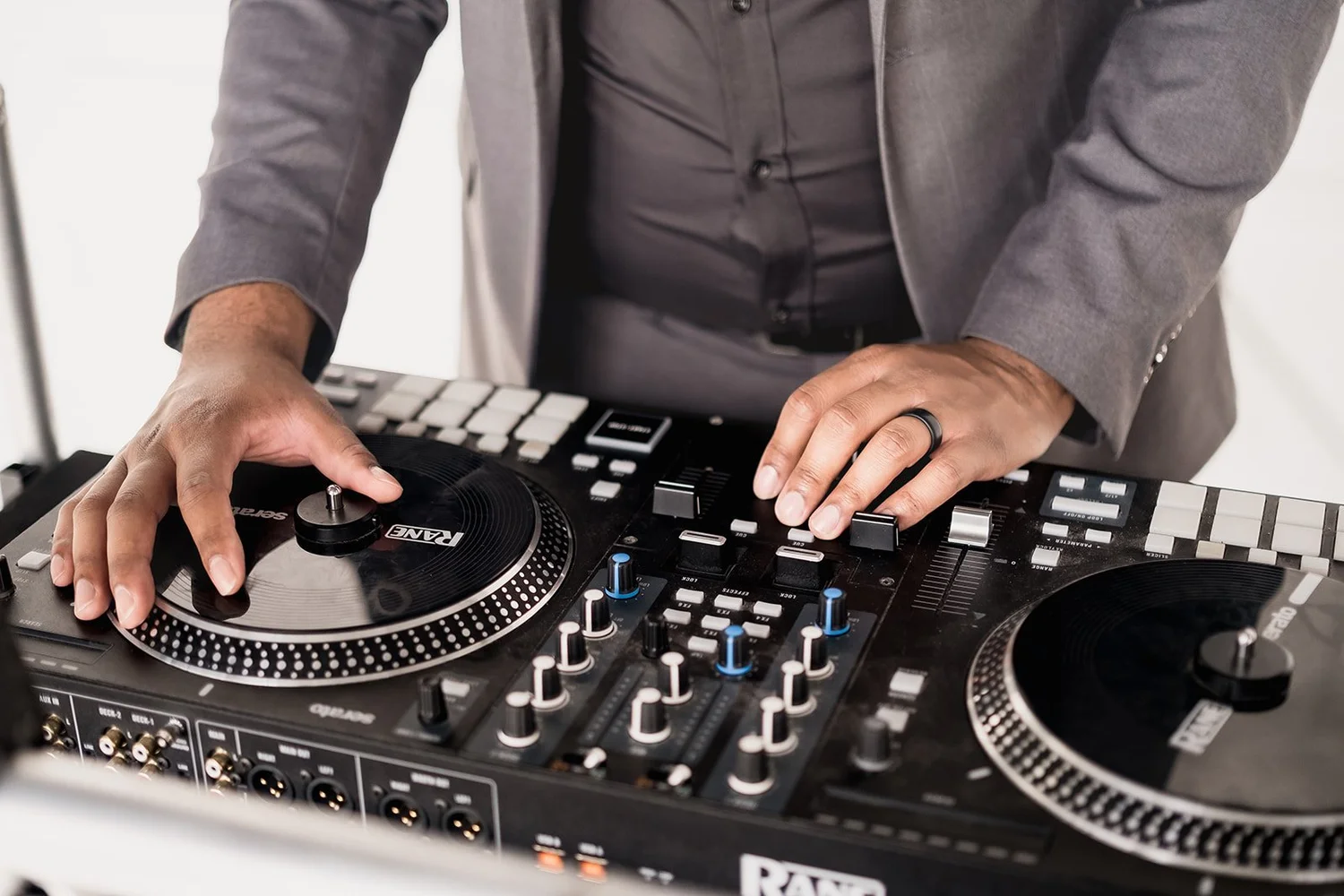
A three-part wedding example
Imagine a Columbus-area wedding with an outdoor ceremony, cocktails in a separate lounge, and a ballroom reception. The couple wants seating music, amplified officiant audio, background music during cocktails, and DJ and MC coverage through the final song. This is a hypothetical planning example.
They should ask how each space receives sound, whether all required equipment is ready before the ceremony, and which hours the proposal covers. They should also confirm the indoor ceremony alternative. If the lounge can use suitable venue audio operated through an agreed arrangement, that may affect the configuration. If not, a separate setup may be appropriate. The decision follows the actual event rather than the number of locations written in a package headline.
Questions to send your DJ and planner
Use this list to turn the venue discussion into an actionable plan. Record any unresolved item and decide who will obtain the missing information.
- When should seating music begin, and when should all soundchecks finish?
- Who needs a ceremony microphone, and where will they stand?
- Who cues each entrance and the recessional?
- Where is cocktail hour, and how will music reach that area?
- Will equipment move while guests are present?
- Who announces the transition to dinner?
- What is the indoor backup location and decision deadline?
- Are the required hours, setups, and microphone services included in writing?
Share the final answers with the venue and event team so everyone understands the same plan.
Common ceremony and cocktail coverage questions
Does ceremony music automatically include microphones?
No. Ask specifically about the officiant, vows, and readings. Providers use different descriptions, so confirm the actual microphone plan instead of making an assumption from the package label.
Can cocktail hour use the reception speakers?
Sometimes, depending on distance, room separation, volume requirements, and equipment configuration. Give the DJ the layout and ask whether the proposed coverage works for both spaces.
Should we book the largest package for three locations?
Choose based on the complete requirements, including hours, equipment, microphones, and transitions. A consultation can identify what is necessary and what is optional before you commit.
Bring the whole wedding into the music plan
I’m Christopher “DJ iShine” Summers, and I personally help couples prepare the music, timeline, and hosting details for their wedding. The goal is clear coverage from the first agreed music through the last dance.
Explore multiple sound setup planning, learn what to expect, and share your Columbus wedding date and venue to discuss the right configuration.