
Can You Give Your Wedding DJ a Playlist? A Columbus Couple’s Guide
By Christopher “DJ iShine” Summers · iShine Music Production
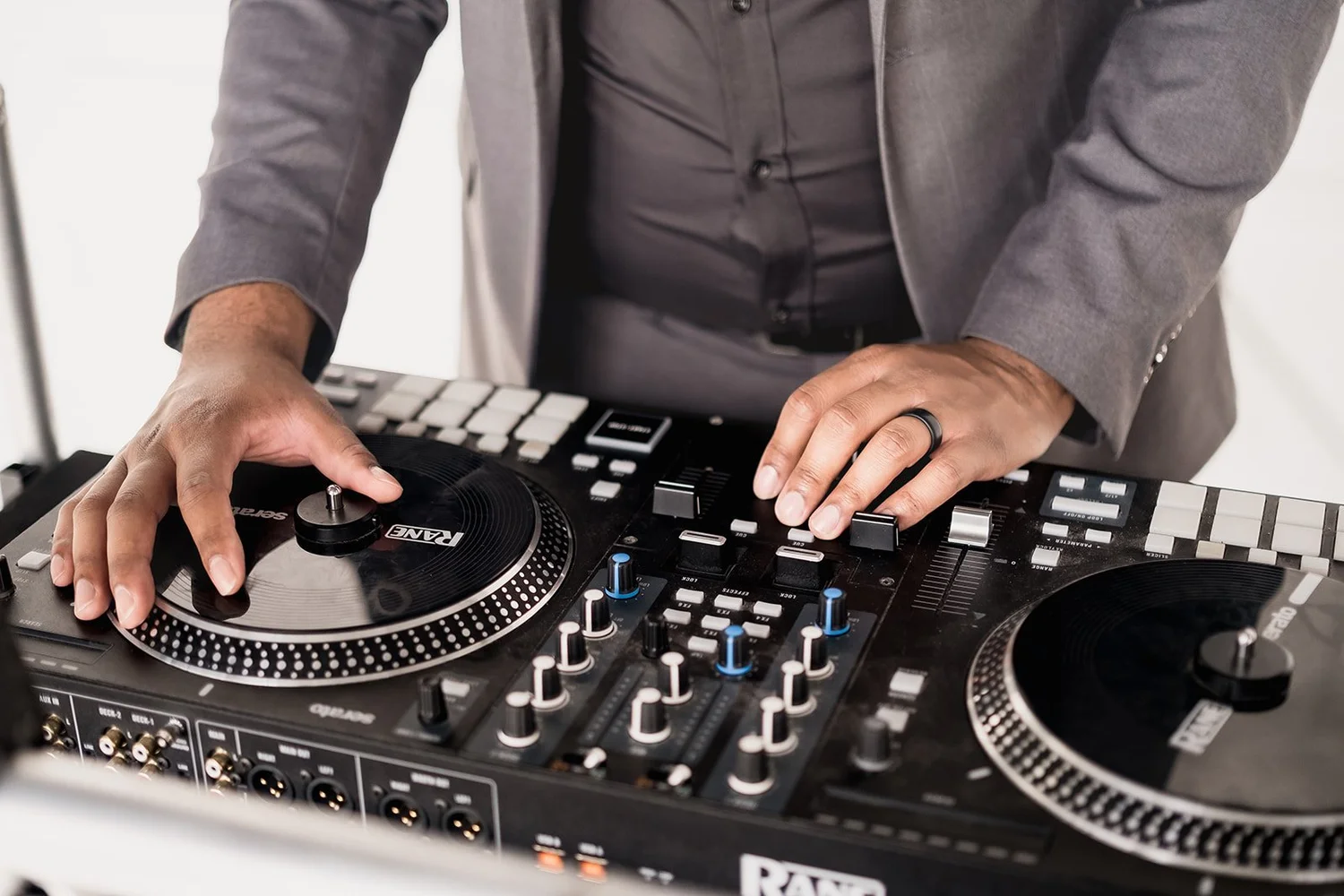
Can you give your wedding DJ a playlist? Yes, a playlist can be a useful way to communicate your taste, but you should agree on what you expect the DJ to do with it. A collection of inspiration, a list of essential songs, and an exact running order are different instructions.
For Columbus couples, the best conversation starts before the final playlist is built. Explain how much musical control you want and ask how the DJ’s planning process accommodates it. This guide helps you share your preferences clearly while making the performance approach understandable to both sides.
Tell the DJ what the playlist represents
Label the list according to its purpose. It might show the general sound you enjoy, contain songs you definitely want included, or describe a sequence for a specific portion of the wedding. Without that explanation, the DJ may interpret every selection as optional while you expect the exact order to be followed.
You can use more than one list if that makes the instructions clearer. A short essential group and a broader inspiration collection often communicate different priorities effectively. The important part is agreement, not the platform or the number of folders. Ask the DJ to summarize how they will use the material so you can resolve any mismatch before the reception.
Discuss control and flexibility before booking
DJs vary in how they approach client-directed music. Some welcome a highly detailed sequence, while others prefer to work from priorities and adapt more freely to the room. Ask about the actual service you are considering rather than assuming every provider follows the same method.
If exact control is central to your decision, say so during the consultation. Likewise, if you want someone to shape most of the night, explain that you are providing direction rather than a complete script. A useful conversation respects both the couple’s preferences and the provider’s stated approach. You can then choose a working relationship that fits instead of discovering after booking that you expected very different levels of musical decision-making.
Separate fixed moments from open dancing
Ceremony entrances, a first dance, parent dances, and the final song may need exact recordings and cues. Those selections belong in a clearly identified formal-moment plan. Open dancing may allow more flexibility in order, length, and transitions, depending on your preferences.
Do not make the DJ infer the first dance recording from a track buried in a long party playlist. Identify the artist, version, requested start, and intended ending separately. If choreography or a custom edit is involved, ask how the final recording will be verified. Clear fixed-moment instructions help protect the important details while leaving the rest of the music discussion focused on the atmosphere you want.
Be realistic about time
Compare the amount of music you have selected with the parts of the day the DJ covers. A long list may contain more songs than can reasonably fit alongside dinner, speeches, dances, and other activities. Ask which tracks are essential and where the others might belong.
A favorite that does not suit dancing may work during cocktails or dinner, provided that portion of the wedding is included in the audio plan. You do not have to abandon meaningful music because the open dance window is limited. You do need to decide which selections take priority and whether the playlist is intended as a complete program or a library of options the DJ can draw from.
Explain the preferred treatment of songs
Some couples want favorite recordings played through recognizable choruses or almost in full. Others enjoy quick blends, shorter sections, and remixes. Tell the DJ what you prefer. A playlist alone does not communicate how long each track should last or how it should transition.
If one song needs a particular treatment, identify it clearly. You might want the original recording for a shared singalong while allowing faster mixing elsewhere. Ask to hear relevant samples and discuss the context. The goal is to connect your song selections with the performance style, so the music sounds like the experience you expected rather than simply including the correct titles in an unexpected form.
Keep firm exclusions separate
Use a clearly labeled do-not-play list rather than relying on missing songs to communicate a prohibition. The DJ cannot assume that every song absent from your playlist is unwanted. Identify any lyric boundaries, sensitive recordings, or styles that are genuinely excluded.
Discuss how guest requests fit the plan. A request may be welcome within your musical direction, but it should not override a firm exclusion or displace a fixed ceremony or dance cue. Decide whether exceptions are possible and who can approve them. When the boundaries are explicit, the DJ has a practical framework for handling input without repeatedly interrupting the couple.
Use one agreed place for final selections
Ask how the DJ wants to receive the playlists and any special files. Keep the final decisions in the agreed planning system or document. If you change a recording, add an essential song, or revise an exclusion, tell the provider directly and request confirmation when the change affects an important moment.
Avoid assuming that a playlist update is automatically a final instruction. You may still be experimenting while the DJ believes the list is complete, or the reverse. Agree on a review date and a final version. This helps your planner, DJ, and any replacement understand which choices are settled and which suggestions are still open for discussion.

A hypothetical playlist conversation
Imagine a couple who shares a playlist of favorite songs from different stages of their relationship. They explain that ten selections are especially meaningful, several suit dinner, and the remainder are inspiration for dancing. They also identify two songs they want played in their original versions through the chorus.
The DJ can now discuss how the music fits the schedule and what flexibility remains. If the couple instead wants the exact order followed, that becomes a separate conversation before booking. This hypothetical example shows why context matters. The same playlist can lead to different expectations unless the couple and DJ agree on how it will be used.
What to send with your playlist
- A sentence explaining whether the list is inspiration, essential selections, or an exact sequence.
- Clearly identified songs for ceremony cues and special dances.
- Notes about exact versions, clean edits, or custom files.
- Preferred moments for meaningful songs with timing requirements.
- Your expectations about full songs, remixes, and shorter mixing.
- A separate do-not-play list and guest request policy.
- The date when the selections will be reviewed and finalized.
These notes do not need to be elaborate. Their purpose is to turn a useful collection of music into clear direction for a real wedding performance.
Common wedding playlist questions
Is it micromanaging to share a playlist?
Sharing your taste is a normal part of planning. The important issue is whether you and the DJ agree on the amount of control, flexibility, and preparation the service includes.
Can we ask for an exact order?
Ask before booking if that is essential to your decision. Providers have different approaches, and an exact running order affects how the DJ can adapt to the room and the event schedule.
Can we send a very long list?
Discuss how it should be interpreted. A large inspiration collection can be useful, while a long mandatory list may exceed the available music time. Prioritize the selections that matter most.
Do we need to choose every song?
Only if that is the arrangement you want and the provider accepts. You can also give priorities, examples, and boundaries while asking the DJ to shape the rest of the night.
Share your musical direction with DJ iShine
I’m Christopher “DJ iShine” Summers, personally handling music planning, live mixing, and MC duties for Columbus and Central Ohio weddings. Explore my mixes, read wedding music planning advice, and share your date and venue. Tell me how much direction you want to provide and which parts of the soundtrack matter most.